

Custom Corporate Apparel Bulk Buying Guide

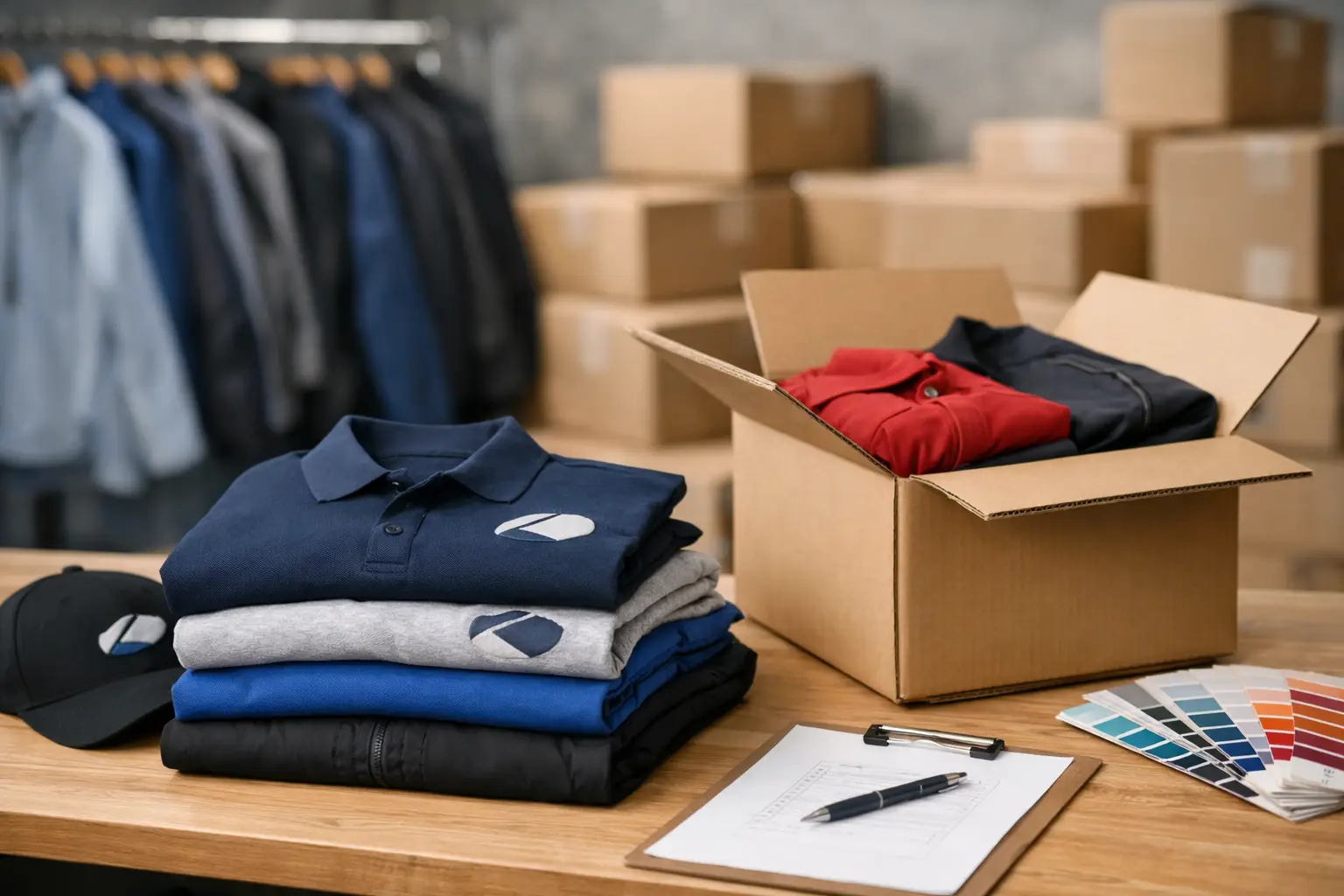
Ordering apparel for 25 people is simple. Ordering for 250, 2,500, or a distributed workforce across multiple states is where mistakes get expensive. That is why custom corporate apparel bulk planning matters so much. The right order can stretch budget, keep branding consistent, and arrive on time. The wrong one can create size issues, logo problems, backorders, and rushed reorders that wipe out your savings.
For business buyers, apparel is rarely just apparel. It supports onboarding, trade shows, employee recognition, field teams, customer-facing staff, and brand visibility. It also sits in a difficult middle ground between marketing and operations. The items need to look good, fit real people, meet budget targets, and ship where they need to go without creating extra work for HR, procurement, or event teams.
Why custom corporate apparel bulk orders need a plan
Bulk ordering lowers your per-unit cost, but only when the order is built correctly from the start. The largest savings usually come from simplifying decoration methods, choosing styles with dependable inventory, and aligning quantities with vendor breakpoints. Buyers often focus on the unit price first, but the real cost is tied to setup charges, art adjustments, size curves, shipping splits, and whether the item is available when you need it.
That is where a practical buying strategy matters. A low-priced polo that runs small and triggers exchanges is not low cost in the end. A premium jacket that stays in use for two years may generate better value than a cheaper option that employees leave in a drawer. It depends on the use case, the audience, and how long you need the apparel to work for your brand.
Choosing the right apparel for the job
The best custom corporate apparel bulk orders start with one question: where will this be worn? If the apparel is for a trade show staff, consistency and sharp presentation usually matter more than comfort-first fabric blends. If it is for onboarding kits or remote team gifts, wearability matters more because you want people to choose it on their own. If it is for warehouse, field, or service teams, durability and ease of care move to the top.
Polos remain a dependable choice because they balance professionalism, broad fit acceptance, and price control. T-shirts work well for campaigns, volunteer events, company celebrations, and high-volume giveaways. Quarter-zips, softshell jackets, and fleece pieces are stronger options when you want a higher perceived value or need a more executive-ready look. Hats and outerwear can also make sense, but they usually require more careful forecasting because style preference varies more by audience.
Fabric matters more than many buyers expect. Cotton can feel familiar and cost-effective, but blends often hold decoration better and resist shrink issues. Performance fabrics are strong for active roles and outdoor events, though they may increase price. If your audience includes employees in different climates, a lightweight layering piece can be a safer choice than a seasonal item with limited wear time.
Branding decisions that affect cost and quality
Decoration is one of the biggest pricing levers in any custom corporate apparel bulk program. Embroidery gives polos, jackets, and hats a polished corporate look, but it usually costs more than a one-color screen print. Screen printing is efficient for large T-shirt runs, especially when the artwork is simple. Heat transfer and other methods can be useful for certain garments or low-volume personalization, but they are not always the best fit for every program.
Logo size and placement also affect the total. A left chest logo is common because it looks professional and keeps costs controlled. Full back prints, sleeve logos, and multiple imprint locations increase visual impact, but they also increase spend. If you are ordering for internal use, simple branding often wins because employees are more likely to wear it regularly. If the apparel is designed for event visibility, a larger graphic may make sense.
Color selection should be intentional. Brand colors are important, but not every brand color works well on every garment. Dark logos on dark fabric, or subtle tone-on-tone embroidery, can lose visibility. At the same time, forcing exact brand shades across multiple apparel styles may reduce your options and create sourcing headaches. Sometimes the smarter move is choosing neutral garments with a logo treatment that stays clean and recognizable.
How to control budget without looking cheap
Most buyers are under pressure to reduce spend, but no one wants apparel that feels disposable. The solution is not always buying the cheapest item on the page. It is choosing the best value at the quantity you need.
One reliable approach is standardizing styles across programs. If your company uses the same polo for sales meetings, new hires, and customer-facing teams, you may be able to increase volume and improve pricing. Another is limiting logo versions. Multiple departments often want custom artwork, but every variation can add complexity, slower approvals, and potential extra charges.
Timing also affects cost. Rush production and expedited shipping can turn a well-priced order into an expensive one fast. Planning even a few weeks earlier can open up more inventory options and lower freight pressure. If you have recurring apparel needs, it often makes sense to forecast by quarter rather than buying one urgent order at a time.
A strong vendor should help you compare options clearly. That means showing where a slight increase in unit cost may improve wearability, where a simpler decoration method can save money, and where stock risk could create replacement issues later. Discount Swag fits this model well because business buyers need both pricing power and practical guidance, not just a product catalog.
Custom corporate apparel bulk for distributed teams
Bulk does not always mean one pallet to one office. Many organizations now need apparel sent to remote employees, regional branches, franchise locations, or event sites nationwide. That changes the buying process. Suddenly, size collection, address management, inventory timing, and shipment tracking become as important as the garment itself.
This is where operational support makes a real difference. A vendor that can handle multi-location shipping reduces manual work and lowers the chance of missed deliveries. It also helps if the supplier can support branded kits or combine apparel with drinkware, office items, or onboarding materials. For HR and internal teams, that can turn five separate projects into one order.
The trade-off is freight. Shipping one bulk order to headquarters is usually cheaper than sending hundreds of individual packages. But if your workforce is remote, centralizing the shipment may just move the cost and labor burden onto your team. The better choice depends on your staffing model, timeline, and internal capacity.
Common bulk ordering mistakes to avoid
The most common error is guessing on sizes. If the apparel is mandatory workwear, a structured size collection process is worth the time. If it is a giveaway, using a balanced size curve can work, but you should still account for audience demographics and role types. Ordering too many mediums and too few extended sizes is a predictable problem.
Another mistake is choosing a garment based only on a digital mockup. A shirt can look great on screen and disappoint in fabric weight, fit, or color accuracy. For higher-volume or higher-visibility programs, reviewing samples first is often the safer move.
Inventory assumptions also cause trouble. Popular styles and colors can move quickly, especially in peak seasons. If your order includes multiple sizes in a specific brand or colorway, availability should be confirmed early. Waiting until artwork is approved can leave you with fewer options than expected.
Finally, buyers sometimes overcomplicate the project. Too many garment styles, too many logo treatments, and too many exceptions create friction. Simpler programs tend to move faster, cost less, and deliver more consistent results.
What good vendor support should look like
A strong apparel partner should do more than take an order. They should help you narrow products based on budget, audience, decoration method, and timeline. They should flag stock concerns before they become delays. They should also make it easy to manage approvals, quantities, and shipping requirements without sending your team into spreadsheet chaos.
Price matters, of course. For most organizations, it matters a lot. But the lowest quote is only useful if the order arrives correctly and reflects well on your brand. Trusted quality, clear communication, and reliable fulfillment protect your budget just as much as a low unit price does.
When you are buying apparel at scale, the smartest order is the one that balances cost, wearability, and operational simplicity. Get those three right, and your apparel program stops being a sourcing headache and starts doing its job – representing your brand well, keeping teams aligned, and making every dollar work harder.
 Bottle Carriers
 Mugs
Mugs