

What Is a Retail-Quality Promotional Product?

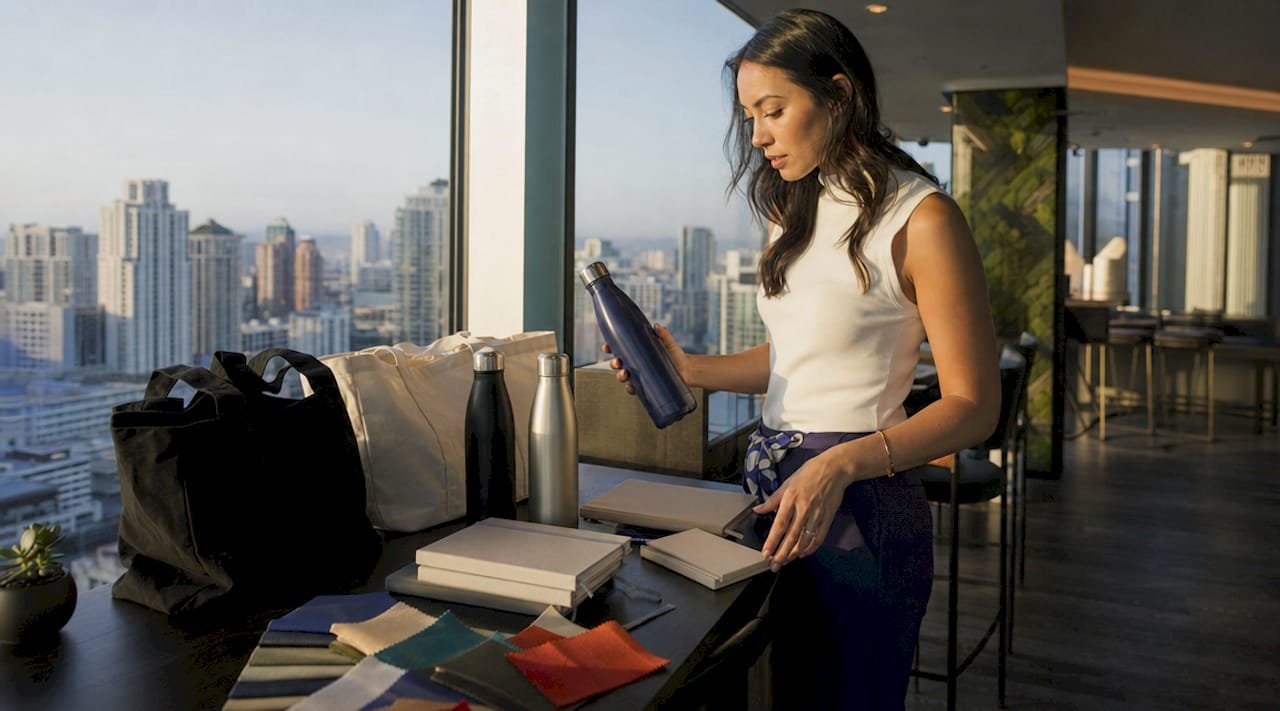
A retail-quality promotional product is a premium branded item crafted with superior materials, advanced decoration techniques, and strategic design to ensure recipients use it daily rather than discard it. This definition separates genuine brand investment from the sea of forgettable giveaways that end up in desk drawers or trash cans within weeks. Understanding what is a retail-quality promotional product matters because the gap between a $3 screen-printed pen and a laser-engraved stainless steel tumbler is not just price. It is the difference between a brand impression that lasts one day and one that lasts three years. The promotional merchandise industry has shifted decisively toward items that integrate into customers’ lifestyles, and marketing professionals who recognize this shift gain a measurable edge in brand engagement.
What is a retail-quality promotional product, exactly?
A retail-quality promotional product meets the same material and construction standards you would find on a shelf at a specialty retailer, with branding applied through professional-grade decoration methods. The industry term for this broader category is branded merchandise, and retail-quality describes the tier within that category where quality, aesthetics, and durability converge.
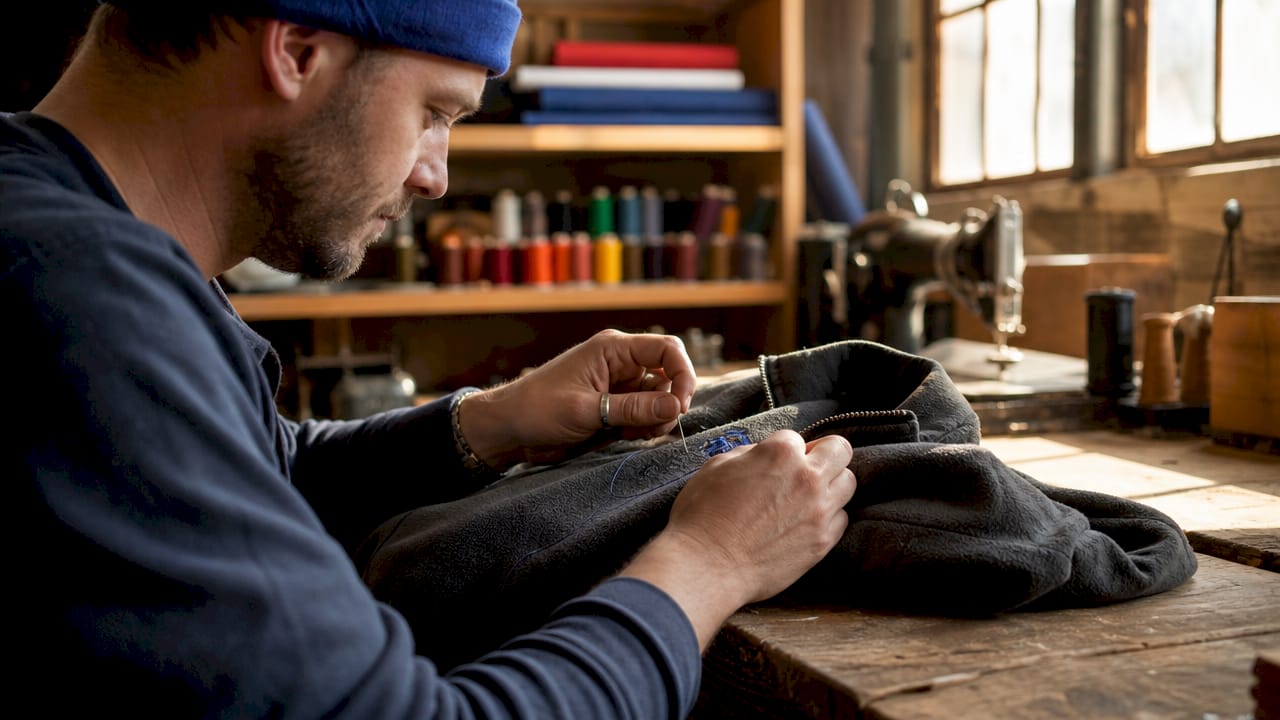
The clearest way to understand this is through decoration method. Decoration methods like embroidery, high-definition 3D prints, and laser engraving define retail-quality items, while low-resolution screen printing or pad printing characterizes disposable promotional goods. A fleece hoodie with a tonal embroidered logo reads as a premium lifestyle product. The same hoodie with a flat, oversized screen-printed logo reads as a trade show freebie. The physical product may be identical. The decoration method determines how the recipient perceives it and whether they wear it in public.
Material quality is the second defining characteristic. Retail-quality items use premium fabrics such as 400-thread-count cotton or moisture-wicking performance blends, metals like brushed stainless steel or anodized aluminum, and sustainable materials including recycled RPET or FSC-certified wood. Standard promotional items typically use the cheapest substrate that holds a logo. The material choice signals brand values before the recipient even reads the company name.
Pro Tip: When evaluating a product for retail-quality status, ask one question: Would the recipient buy this for themselves at full retail price? If the answer is yes, the product qualifies.
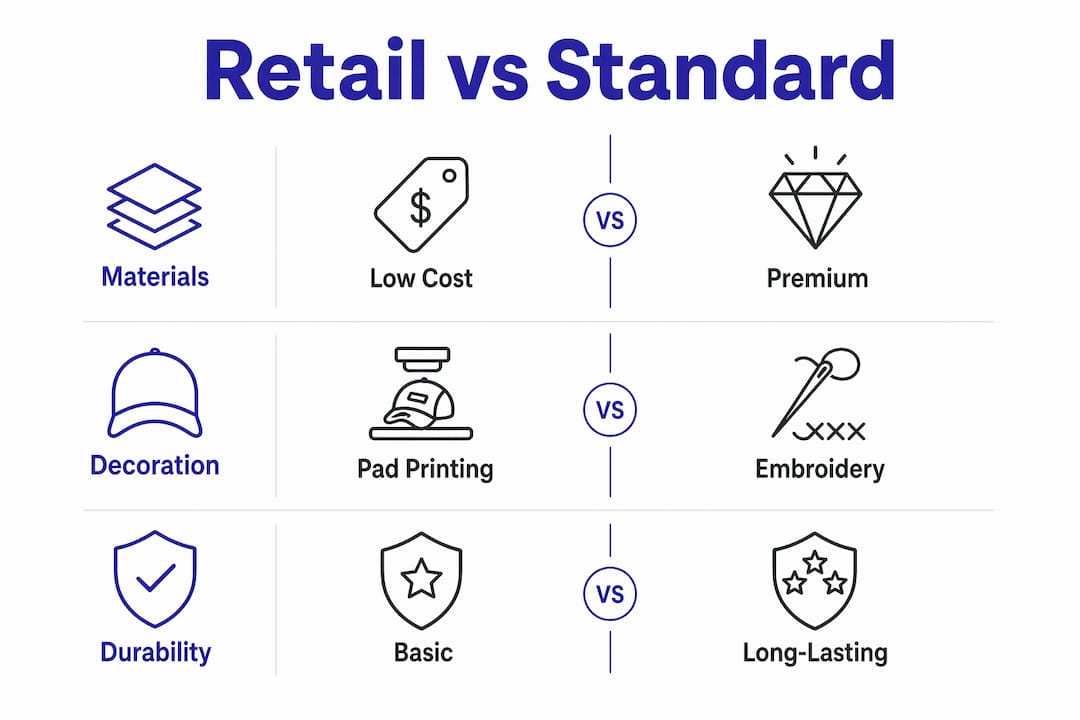
The table below shows how retail-quality and standard promotional products differ across the key dimensions that matter to marketing professionals.
| Dimension | Standard promotional item | Retail-quality promotional item |
|---|---|---|
| Materials | Low-cost plastics, thin fabrics | Premium metals, sustainable textiles, quality ceramics |
| Decoration method | Pad printing, basic screen print | Embroidery, laser engraving, HD 3D print |
| Branding approach | Large, prominent logo placement | Subtle, tonal, or understated logo integration |
| Expected lifespan | Weeks to a few months | One to several years |
| Recipient behavior | Often discarded or stored | Used daily, worn publicly |
How do retail-quality products benefit brand marketing strategies?
The core marketing argument for retail-quality branded merchandise rests on a single principle: branded merchandise outperforms other advertising on brand recall and positive association. A television ad disappears in 30 seconds. A premium insulated tumbler sits on a recipient’s desk for two years, generating brand impressions every single day.
The benefits extend well beyond raw impression counts:
- Sustained daily visibility. Products like drinkware, apparel, and tech accessories are used repeatedly, meaning your brand appears in professional meetings, coffee shops, gyms, and airports without any additional media spend.
- Improved brand perception. When a recipient receives a product they genuinely value, they associate that quality with your brand. A strategic branded merchandise investment signals that your company respects the recipient’s taste and time.
- Reciprocity and goodwill. Giving away branded items freely creates a psychological sense of reciprocity that paid advertising cannot replicate. Recipients feel a genuine connection to brands that gift them something useful and beautiful.
- Customer loyalty reinforcement. High-quality promotional items transform one-time customers into brand ambassadors. When someone wears your branded hoodie to the gym or carries your branded tote to the farmers market, they are endorsing your brand to their personal network.
- Cost efficiency over time. A $25 retail-quality item used daily for two years generates a cost per impression that rivals or beats digital advertising. A $3 disposable item used once and discarded generates exactly one impression at any cost.
“Marketing analysts urge viewing branded merchandise as a strategic investment focused on long-term relationships, daily use, and ensuring brand visibility rather than one-off giveaways.” — ASI
The shift from disposable giveaway to lifestyle product is the defining marketing opportunity in promotional merchandise right now. Brands that make this shift see their merchandise become part of recipients’ identities rather than clutter in their homes. You can read more about how this dynamic works in practice through Discountswag’s analysis of branded merchandise and brand engagement.
What trends are shaping retail-quality promotional products in 2026?
The dominant trend reshaping the promotional merchandise category in 2026 is quiet luxury. Industry experts describe this trend as prioritizing items customers would willingly buy for themselves, creating loyal brand ambassadors rather than passive recipients. Quiet luxury in promotional merchandise means subtle tonal logos, premium materials, and designs that blend into a recipient’s existing wardrobe rather than screaming a brand name.
The practical implications for marketing professionals are significant:
- Subtle branding placement. Chest-height embroidered logos in matching thread colors, debossed leather patches, and laser-etched glass surfaces replace the oversized front-and-center logo treatment of previous decades.
- Hero product plus support item bundles. Campaigns using ‘hero products’ like premium fleece-lined hoodies paired with complementary items such as branded socks or a notebook create a curated brand experience rather than a single transaction.
- Sustainability as a quality signal. Ethical sourcing, recycled materials, and transparent supply chains now function as quality indicators in their own right. Recipients increasingly associate sustainable materials with premium brand values.
- Technology-enabled decoration on complex surfaces. Modern printing equipment supports flat and irregular surfaces, enabling vibrant, durable logo placement on curved drinkware, textured fabrics, and mixed-material products that were previously difficult to brand professionally.
- Lifestyle-aligned product categories. Wellness products, outdoor gear, and home office accessories have grown significantly as remote and hybrid work patterns make these items relevant to recipients’ daily lives.
The quiet luxury shift is not a passing aesthetic preference. It reflects a deeper consumer expectation that branded items should add genuine value to their lives. Brands that align their promotional merchandise with this expectation build relationships that advertising budgets alone cannot buy. For a deeper look at how quality drives promotional ROI, Discountswag’s 2026 guide covers the data in detail.
How to select retail-quality promotional products for your brand
Choosing the right retail-quality items requires more than picking the most expensive option in a catalog. The selection process should start with brand values and audience lifestyle, then work backward to product and decoration method.
The most effective selection framework covers five dimensions:
- Brand value alignment. A technology company gifting premium wireless earbuds or a sleek laptop sleeve communicates innovation. A wellness brand gifting a high-quality yoga mat or insulated water bottle communicates health-consciousness. The product must reflect what your brand stands for, not just display your logo.
- Recipient lifestyle fit. Pens, tote bags, drinkware, and tech accessories remain the most effective categories because they fit into nearly every recipient’s daily routine. Products that match how your audience actually lives generate far more impressions than aspirational items they never use.
- Decoration method appropriateness. Embroidery suits apparel and soft goods. Laser engraving suits metal and wood surfaces. High-definition printing suits hard goods with flat surfaces. Matching the decoration method to the substrate is what separates professional branded merchandise from amateur giveaways.
- Usage context. Consider whether your audience will use the product in professional settings, casual environments, or outdoors. A premium leather portfolio works for a financial services firm’s client gift. A performance fleece jacket works for a tech company’s employee reward. Context determines whether the product gets used or stored.
- Order size and cost strategy. Retail-quality items typically require higher minimum order quantities to achieve unit costs that make sense for marketing budgets. Planning campaigns around consolidated orders rather than ad hoc requests significantly improves cost efficiency without sacrificing quality.
Pro Tip: Request physical samples before committing to a large order. A product that looks retail-quality in a digital catalog can feel cheap in person. The weight, texture, and finish of a physical sample tells you everything the product page cannot.
Discountswag’s resource on types of branded products for marketers provides a structured breakdown of categories organized by use case and decoration method, which makes the selection process considerably faster for marketing teams working under deadline pressure.
Key takeaways
Retail-quality promotional products are defined by premium materials, professional decoration methods, and strategic branding that turns branded merchandise into items recipients use daily and value genuinely.
| Point | Details |
|---|---|
| Definition of retail-quality | Products matching retail shelf standards through superior materials and decoration techniques like embroidery or laser engraving. |
| Core marketing benefit | Daily use generates sustained brand impressions at a cost per impression that rivals digital advertising over time. |
| Quiet luxury trend | Subtle, tonal branding and premium materials make recipients willing to use and wear items publicly in 2026. |
| Selection criteria | Align product choice with brand values, recipient lifestyle, decoration method, and usage context before ordering. |
| Cost efficiency principle | A higher upfront investment in quality produces longer product lifecycles and far more brand impressions per dollar spent. |
Why quiet luxury changed how I think about promotional merchandise
I spent years watching marketing teams spend significant budgets on promotional products that generated zero brand equity. The pattern was always the same: choose the cheapest item that holds a logo, order in bulk, distribute at an event, and wonder why brand recall surveys showed no lift. The problem was never the budget. It was the assumption that volume equals impact.
The quiet luxury shift changed my perspective entirely. When I started seeing brands gift premium fleece hoodies with a small tonal chest logo instead of a giant screen-printed billboard, the recipient behavior changed visibly. People wore those hoodies to the office, to the airport, to the grocery store. They became walking endorsements rather than closet clutter. The psychological impact of gifting premium products is not subtle. Recipients feel respected, and that feeling transfers directly to brand perception.
The mistake I see most often now is marketing teams applying a retail-quality budget to a standard promotional product mindset. They spend more money on the same oversized logo treatment, just on a better substrate. That misses the point entirely. Retail-quality is not just about the product. It is about the complete experience of receiving, using, and being seen with something that reflects well on both the brand and the recipient. When you get that combination right, your promotional merchandise does work that no paid media channel can replicate.
— Jerry
Find retail-quality branded products for your next campaign
Discountswag works with marketing teams across industries to source and supply retail-quality promotional products that align with brand values and recipient lifestyles. Whether you need premium drinkware with laser-engraved logos, embroidered apparel for employee programs, or curated gift bundles for client retention campaigns, the catalog covers the full range of high-quality branded merchandise categories. Explore the complete branded promotional product catalog to find items organized by category, decoration method, and use case. For marketing teams focused on ROI, Discountswag’s quality-focused product guide provides the framework for making every promotional dollar count.
FAQ
What makes a promotional product “retail-quality”?
A retail-quality promotional product uses premium materials and professional decoration methods such as embroidery, laser engraving, or high-definition printing that match the standards of items sold in retail stores. The key distinction is that recipients would willingly purchase the item themselves at full price.
How do retail-quality promotional products differ from standard giveaways?
Standard promotional items prioritize low cost and high volume, typically using basic pad printing on inexpensive substrates. Retail-quality items prioritize durability, material quality, and subtle branding that integrates into the recipient’s daily life rather than signaling a free giveaway.
What are the best examples of retail-quality promotional products?
Premium insulated tumblers with laser-engraved logos, embroidered performance fleece jackets, leather-bound notebooks, and anodized aluminum accessories are strong examples. These products combine utility, durability, and aesthetics that recipients associate with purchased retail goods rather than promotional merchandise.
Why do retail-quality promotional products generate better brand ROI?
Because recipients use them daily over months or years, generating sustained brand impressions at a cost per impression that outperforms most digital advertising channels. Branded merchandise also builds reciprocity and goodwill that paid media cannot replicate.
What decoration method is best for retail-quality promotional products?
The best decoration method depends on the substrate. Embroidery suits apparel and soft goods, laser engraving suits metal and wood surfaces, and high-definition printing suits hard goods with flat or slightly curved surfaces. Matching the method to the material is what produces a professional, retail-grade finish.
 Bottle Carriers
 Mugs
Mugs