

Branded Drinkware Guide for Smart Buyers

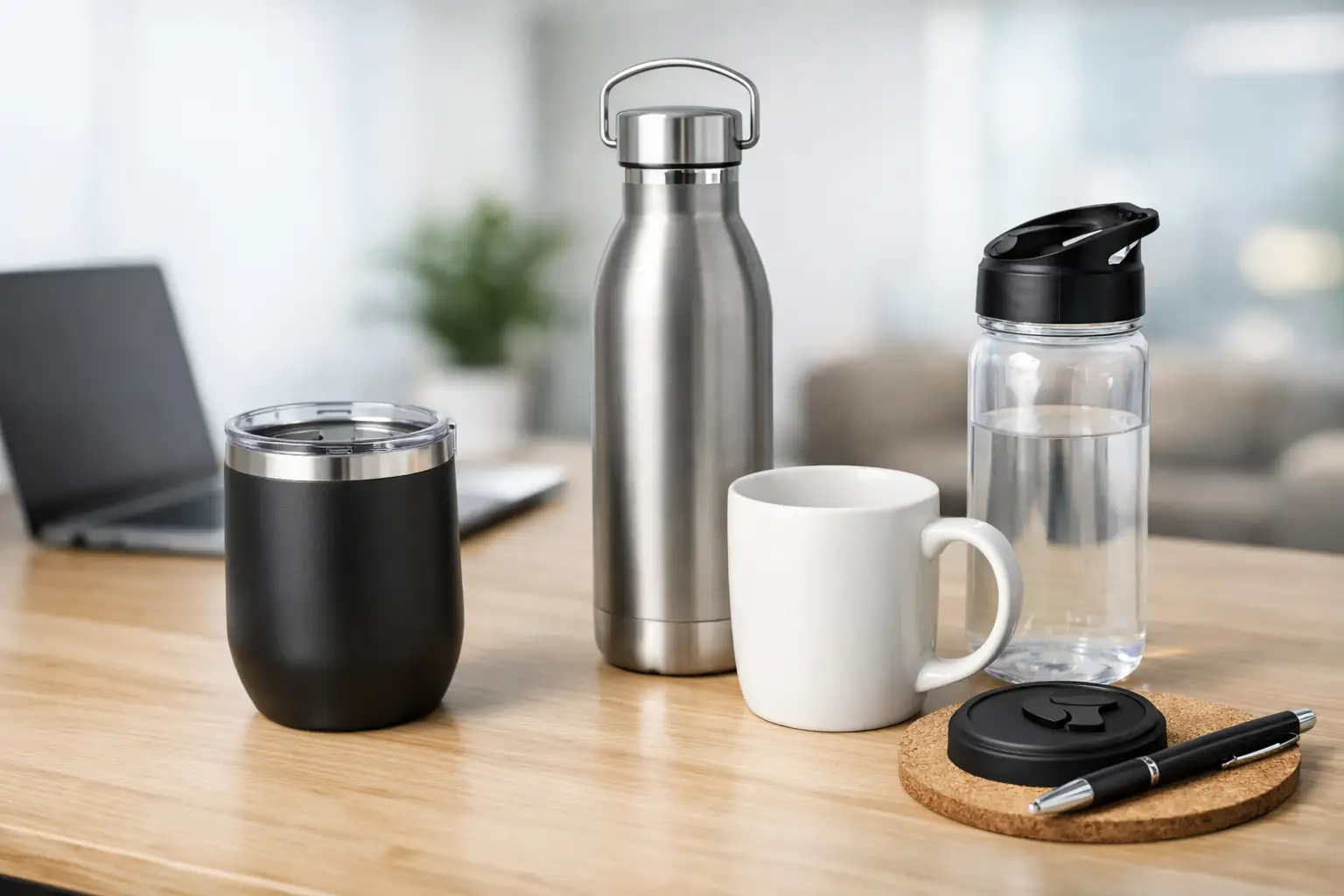
A cheap tumbler that leaks in a conference tote does more damage than no giveaway at all. A premium bottle with the right logo treatment can stay on a desk, in a car cupholder, or at the gym for years. That is why a branded drinkware guide matters for business buyers – not as a trend piece, but as a practical way to protect budget, brand image, and campaign results.
Drinkware keeps earning budget because people actually use it. Unlike throwaway promo items, cups, bottles, and mugs have repeat visibility. They move between office, home, commute, and travel, which means more impressions per unit and a better chance your spend keeps working after the event ends.
How to use this branded drinkware guide
The right drinkware choice depends on what the item needs to do. If you are sourcing for a trade show, your priorities are different than they are for executive gifting or remote employee onboarding. Buyers who get the best results usually start with use case, then budget, then decoration method, then shipping requirements.
That order matters. Too many teams start with a product they like and only later realize it misses the mailer dimension, blows the budget, or cannot hit the in-hands date. A better process keeps those operational realities up front.
Start with the campaign goal
If the goal is broad reach at a controlled cost, simple tumblers, stadium cups, and entry-level water bottles usually make sense. These products support volume, keep unit costs manageable, and work well for events where you need hundreds or thousands of pieces fast.
If the goal is retention, recognition, or client appreciation, perceived value matters more. That is where insulated bottles, vacuum tumblers, and recognized retail-inspired brands carry weight. People notice quality immediately when the lid fits well, the insulation performs, and the finish looks clean.
For onboarding, think about how drinkware fits into a larger kit. A bottle or mug is often one of the highest-use items in a welcome box, which makes it a strong anchor product. It also pairs well with notebooks, tech accessories, snacks, or apparel when you need a practical branded set for remote employees.
Choosing the right type of drinkware
Water bottles
Water bottles are one of the safest choices for general business use. They fit wellness campaigns, employee programs, campus recruiting, field teams, and event giveaways. They also cover a wide pricing range, from simple sports bottles to premium insulated styles.
The trade-off is that not every bottle suits every audience. A lightweight plastic sports bottle may be perfect for a 5K sponsorship or summer event, but it can feel underwhelming as a sales incentive or executive gift. Stainless steel bottles raise perceived value, but they also raise unit cost and shipping weight.
Tumblers
Tumblers are strong all-around performers because they match daily habits. Coffee, iced drinks, water, and commuter use all make tumblers easy to keep in rotation. They are especially effective for office programs, client gifts, and internal events where you want something practical but still polished.
Lid quality matters here more than many buyers expect. A great-looking tumbler with a flimsy lid will generate complaints fast. For larger orders, it is worth confirming the closure style and intended use before locking in a product.
Mugs
Mugs remain a staple because they are familiar, desk-friendly, and often budget-accessible. They work best in office settings, employee gifts, hospitality environments, and campaigns where home use is likely. Ceramic mugs can offer a larger print area and a classic presentation, but they are less ideal for shipping-heavy programs due to breakage risk.
If your recipients are mostly remote, insulated mugs or sturdier travel options may be the safer play. The best item is not the one that looks nicest in a mockup. It is the one that arrives intact and gets used.
Price tiers and where value really comes from
A low unit price is only one part of value. Business buyers also need to think about decoration cost, setup charges, carton quantities, freight, and replacement risk if the product underperforms. The cheapest option can become expensive if it creates quality issues, misses your event date, or fails to reflect well on your brand.
At the same time, premium is not always smarter. If you are staffing a high-traffic booth and need maximum distribution, a luxury bottle may limit reach without improving outcome. A balanced buy usually means spending where the audience will notice it and saving where they will not.
This is where supplier quality and pricing discipline matter. Trusted products at aggressive pricing give buyers room to improve perceived value without losing cost control. For many teams, that is the difference between meeting budget and settling for something forgettable.
Branding choices that affect results
Logo size and placement
Drinkware gets handled up close, so branding does not need to be oversized to be effective. A clean, well-placed logo often looks more premium than a large imprint pushed to the edges. For employee programs and customer gifting, subtle branding can increase use because the product feels less promotional.
For event giveaways, visibility may matter more. In those cases, a larger imprint area or wrap can help. It depends on whether the goal is broad exposure or long-term personal use.
Decoration method
Different drinkware materials support different decoration styles, and this is not just a design issue. It affects durability, appearance, and cost. A method that looks sharp on one vessel may not be the best fit on another.
Buyers should think about lifespan. If the product is meant for daily use, decoration needs to hold up to washing, handling, and travel. A lower-cost print can be fine for short-term event distribution, but for onboarding kits or client gifts, durability usually deserves more attention.
Color selection
Color can improve uptake more than many organizations realize. Neutral drinkware tends to have broad appeal and fits more brands. Bold colors can stand out at events, but they narrow audience preference. If you are ordering in volume for a mixed recipient group, black, white, navy, and stainless finishes are usually safer.
Logistics can make or break the order
A strong product choice still fails if fulfillment is sloppy. Drinkware orders often involve kitting, drop shipping, or delivery to multiple offices, reps, or remote employees. That means packaging, lead times, and inventory coordination should be part of the decision from the start.
If your campaign has a fixed event date, build in time for proofing and production, not just transit. If you are shipping to home addresses, confirm carton protection and individual pack suitability. Some products are excellent for bulk delivery to one site and poor for direct-to-recipient programs.
This is where experienced promotional sourcing helps. Buyers need a vendor that can support both large centralized orders and distributed shipments without adding friction. Discount Swag is built for that kind of operational reality, especially when teams need to balance speed, price, and dependable delivery.
When brand-name drinkware makes sense
Recognizable brands can lift response and perceived value quickly. They work well for top clients, leadership gifts, recruiting, and milestone recognition because recipients already associate those names with performance and quality.
Still, a brand-name bottle is not automatically the right choice. If your order is quantity-driven, or if your audience is broad and the program is short-term, non-retail options may deliver a better return. The smart move is to match the product tier to the audience, not to chase prestige for its own sake.
Common buying mistakes to avoid
One common mistake is buying for internal preference instead of recipient behavior. Your team may love a certain mug shape, but if the audience travels often, a sealed tumbler will likely perform better. Another mistake is underestimating freight and packaging impact, especially on heavier insulated drinkware.
A third issue is treating all drinkware as interchangeable. It is not. Lid design, insulation, material feel, and decoration quality all affect whether the product becomes part of someone’s routine or ends up in a cabinet. Small differences change results.
What smart buyers do differently
The most efficient buyers narrow options based on audience, usage, budget, and fulfillment plan before they debate colors or finishes. They ask practical questions early. Will this item survive parcel shipping? Is the branding appropriate for the audience? Does the price still work after decoration and freight? Can the vendor handle split shipments if the campaign expands?
That approach reduces surprises and protects budget. It also leads to better product decisions because the item is chosen for performance, not just appearance.
Drinkware stays popular for a reason. It is useful, visible, and flexible across events, gifting, onboarding, and employee engagement. If you choose with purpose, branded drinkware does more than carry a logo – it carries your brand into everyday routines where the best impressions are repeated, not forced.
 Bottle Carriers
 Mugs
Mugs