

The Real Role of Customized Gifts in Campaigns

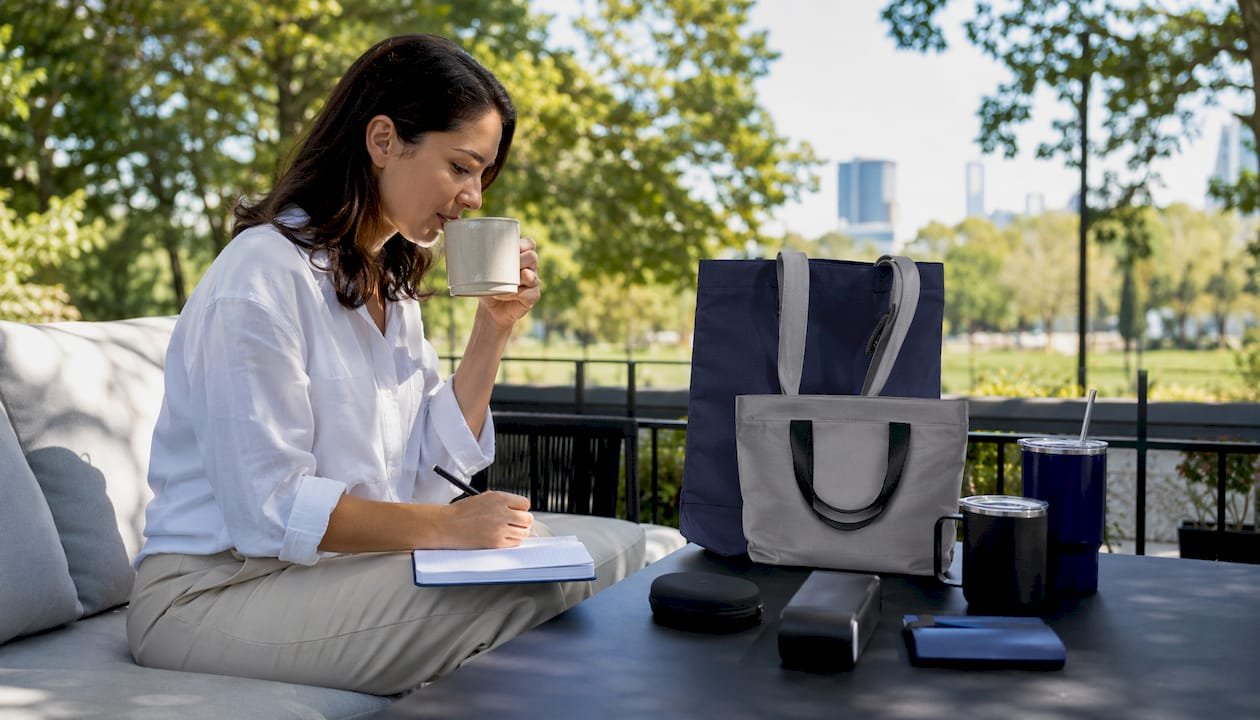
Customized gifts are not a nice gesture tacked onto a campaign. They are a strategic mechanism that changes how recipients feel about a brand, and that emotional shift drives measurable outcomes. When a gift is personalized, whether with a name, a milestone reference, or a design tied to the recipient’s interests, it triggers vicarious pride: the recipient mirrors the satisfaction the giver felt in creating something specific for them. That psychological response produces stronger brand recall, longer-lasting loyalty, and a higher likelihood of word-of-mouth advocacy than any generic branded item can match.
The role of customized gifts in campaigns comes down to a few concrete impacts:
- They create emotional connections that generic giveaways cannot replicate
- They activate reciprocity, motivating recipients to respond with loyalty and advocacy
- They increase perceived value, allowing brands to position gifts as premium rather than promotional
- They extend brand presence physically, since personalized items are kept, cared for, and used longer than mass-produced alternatives
Discountswag, a distributor of corporate promotional products, works with marketing teams across the U.S. to translate these principles into campaign-ready gift programs that actually ship.
Table of Contents
- Why personalization outperforms generic gifting in corporate contexts
- How to personalize corporate gifts for maximum impact
- How customized gifts deepen brand engagement and client relationships
- Best practices for customizing gifts across different campaigns
- What corporate gifting experts know that most marketers miss
- Discountswag gives your campaign a real personalization advantage
- Key Takeaways
Why personalization outperforms generic gifting in corporate contexts
Generic branded merchandise has its place in awareness campaigns, but it rarely moves a recipient emotionally. A logo on a tote bag says “we have a budget.” A name on a journal, or a gift tied to a recipient’s known hobby, says “we paid attention.” That distinction is what separates brand awareness from brand affinity.
University of Bath research confirms that personalized gifting significantly boosts recipients’ feelings of being valued and cherished, with measurable effects on self-esteem. Recipients do not just appreciate the object more; they feel better about themselves in relation to the brand that gave it. That is a different kind of marketing outcome than an impression or a click.
The psychology of reciprocity is the other engine here. When a gift clearly reflects the recipient’s interests, the implicit message is that the brand sees them as an individual. That perception creates an obligation to respond, not out of social pressure, but out of genuine appreciation. Marketing professionals who align gift selection with audience-specific interests consistently report stronger campaign engagement.
Key reasons personalization outperforms generic gifting:
- Emotional resonance: recipients feel seen, not just targeted
- Higher perceived value without requiring a higher price point
- Stronger reciprocity response when gifts match personal interests
- Greater retention of the gift itself, extending brand exposure over time
How to personalize corporate gifts for maximum impact
Effective personalization starts before you pick a product. The most common mistake is choosing the item first and adding a name second. That approach produces a monogrammed version of a generic gift, which is not the same as a truly personalized one.
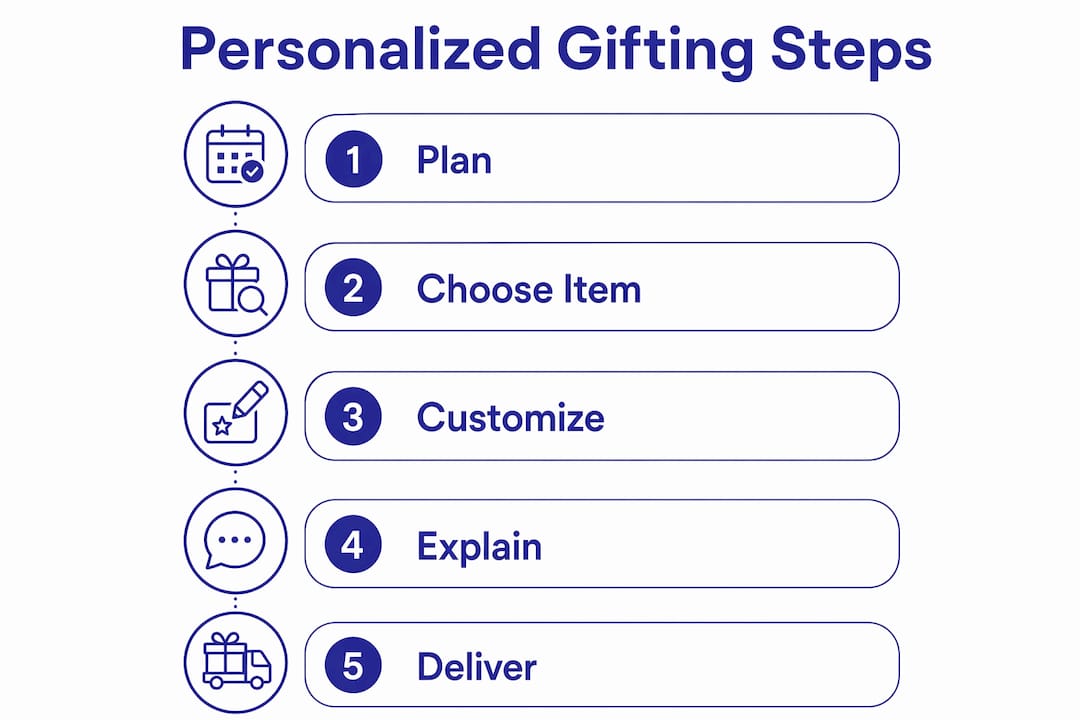
Start with audience segmentation. A gift for a VP of Engineering at a tech firm should feel different from one for a retail buyer or a long-tenured employee. Hobby-centric gifts, items tied to a recipient’s known interests, consistently outperform category-generic choices. If your CRM or account data tells you a client runs marathons, a personalized hydration kit lands differently than a branded pen set.
Customization options worth building into your program:
- Names and personal messages on the product itself, not just the packaging
- Milestone references (work anniversaries, deal closings, product launches) that anchor the gift to a shared moment
- Design elements that reflect the recipient’s team, region, or role
- Bundle sets that tell a coherent story across two or three complementary items
The bundle strategy deserves specific attention. A coordinated set of personalized items, say a custom notebook, a branded coffee blend, and an engraved pen, creates a narrative the recipient experiences across multiple touchpoints. Experts note that bundles expand the emotional story of the gift, making recipients more likely to keep, share, and remember it. For campaign planning, bundles also increase average order value without requiring a proportional increase in per-unit cost.
Pro Tip: Tell recipients how their gift was made. A short card or digital note explaining the customization process, including who chose the design and why, measurably increases appreciation. Research shows that when the customization effort is undisclosed, emotional return drops. A “made for you by” signal closes that gap.

How customized gifts deepen brand engagement and client relationships
The impact of personalized gifts on brand engagement is not anecdotal. Recipients who receive a gift that feels genuinely tailored to them are more likely to remember the brand, speak positively about it, and return for repeat business. The emotional bond formed through a thoughtful gift moves people along the customer journey faster than most digital touchpoints.
Brand recall improves because the gift becomes a daily object with an emotional story attached. A personalized water bottle used every morning is a brand impression delivered hundreds of times over months, at zero additional media cost. Compare that to a display ad with a 0.1% click-through rate and the math shifts quickly.

Client relationships benefit in a specific way: gifting signals investment. When a brand takes the time to customize a gift for a client, it communicates that the relationship matters beyond the transaction. That perception is difficult to manufacture through email campaigns or loyalty points. It requires a physical, tangible gesture.
Key engagement outcomes from personalized gifting programs:
- Increased brand recall through daily-use items with emotional associations
- Stronger word-of-mouth: recipients share gifts that feel special
- Deeper client loyalty when gifting is tied to relationship milestones
- Longer product life cycles, since personalized items are maintained and repaired rather than discarded
For client appreciation programs, the combination of personalization and timing, delivering a gift at a meaningful moment rather than a calendar holiday, produces the strongest relational impact.
Best practices for customizing gifts across different campaigns
Budget, audience, and occasion each shape what good personalization looks like. A $15 per-unit budget does not preclude meaningful customization; it just requires smarter product selection. A personalized notebook with a handwritten-style message printed inside the cover costs less than a premium tech accessory but can carry equal emotional weight.
Selecting the right gift type for the audience:
- Executive-level recipients respond to quality and restraint. A single, beautifully crafted item with subtle personalization outperforms a busy gift set.
- Team-wide campaigns benefit from items that create shared identity, custom apparel, branded kits, or matching desk accessories that signal belonging.
- Prospect outreach works best with low-friction, high-utility items that recipients will actually use, personalized tech accessories, quality drinkware, or branded giveaway items with clear daily utility.
Quality and durability matter more than most marketers budget for. A cheap item with a name on it communicates the opposite of what personalization is supposed to achieve. The US personalized gifts market is substantial and expected to experience significant growth over the coming years, driven in part by buyers who view personalized items as worth paying more for. That premium perception only holds when the product quality supports it.
Common pitfalls to avoid:
- Over-customizing with too many design elements, which dilutes the personal feel
- Ignoring recipient preferences in favor of brand-heavy messaging
- Treating personalization as an afterthought rather than a campaign design input
- Skipping the “made by” communication that reinforces the customization effort
For guidance on integrating personalization into broader promotional strategy, the marketing insights at TBE Agency offer practitioner-level frameworks worth reviewing alongside your campaign planning.
What corporate gifting experts know that most marketers miss
The practitioners who run the most effective personalized gift campaigns share a few non-obvious principles that rarely appear in standard gifting guides.
Vicarious pride is the mechanism, not just the outcome. When a recipient opens a gift that was clearly made with them in mind, they do not just feel appreciated. They feel the giver’s effort and satisfaction vicariously. That emotional transfer is what makes personalized gifts psychologically distinct from any other marketing touchpoint. Research confirms that recipients change fewer items and appreciate personalized gifts more than generic ones, regardless of how long the customization actually took.
“Made by” signals are an underused lever. Including the giver’s name, a short note about why a specific item was chosen, or even a QR code linking to a brief customization story amplifies the emotional return significantly. Most corporate gift programs skip this entirely, leaving emotional value on the table.
Sustainability is a strategic benefit, not just a talking point. Personalized items are handled with care, repaired when damaged, and replaced later than generic alternatives. That extended product life cycle means your brand stays physically present in a recipient’s environment for longer. A personalized item’s longevity translates directly into sustained brand exposure at no additional cost.
The US personalized gifts market reached $9.69 billion in 2024 and is on track to grow more than 50% by 2030, reflecting a structural shift in how buyers and recipients assign value to customized products.
The bundle strategy, covered in the personalization section above, is the expert-level application of these principles. A coordinated set of personalized items does not just deliver more product. It creates a richer emotional experience that recipients associate with the brand behind it. For corporate gift sets designed to maximize campaign ROI, the bundle approach consistently outperforms single-item programs on recall and retention metrics.
Discountswag gives your campaign a real personalization advantage
If you have read this far, you already know that the difference between a forgettable giveaway and a campaign asset comes down to how well the gift is personalized and how thoughtfully it is executed. That execution gap is exactly where Discountswag operates.
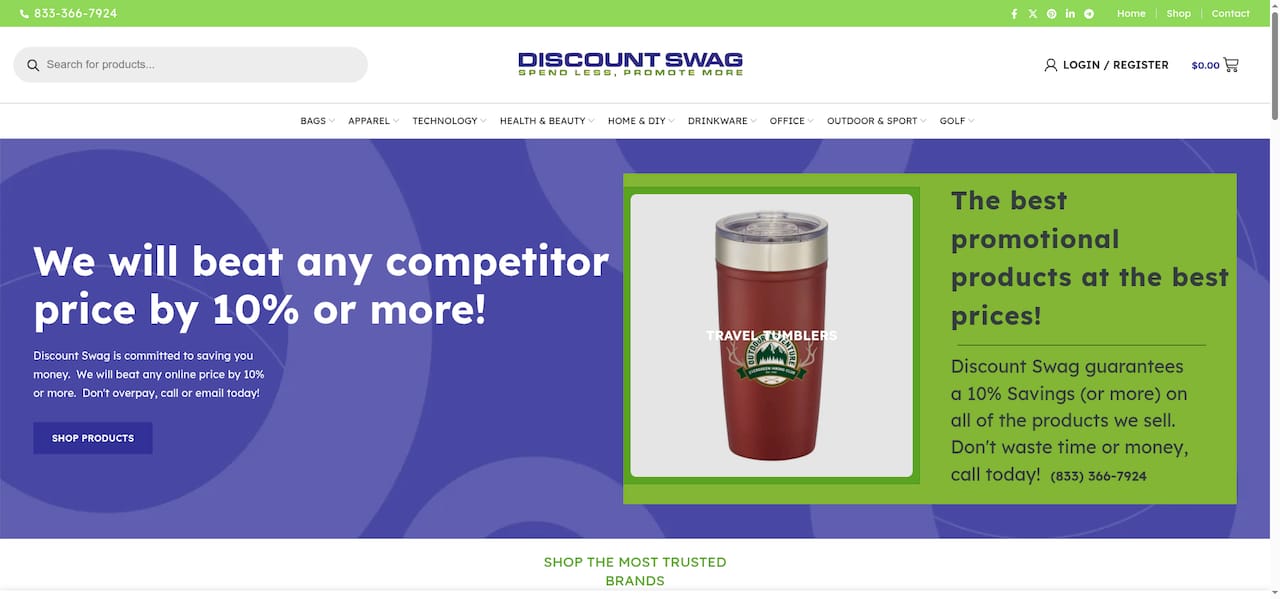
Discountswag is a corporate promotional products distributor built for marketing teams that need personalization at scale, without the complexity of managing multiple vendors or navigating minimum order confusion. Whether you are running a client appreciation campaign, a trade show activation, or an employee recognition program, Discountswag handles the product sourcing, customization, and fulfillment so your team stays focused on strategy. The catalog spans drinkware, apparel, tech accessories, and gift sets, all available with the branding and personalization options that make the difference between a logo item and a genuine campaign asset.
For a full view of what personalized promotional products can do for your brand awareness goals, the 2026 marketer’s guide to promotional items is the right starting point. Browse the catalog, request a quote, and put a real personalization strategy behind your next campaign.
Key Takeaways
Customized gifts work in campaigns because they trigger vicarious pride and reciprocity, two psychological mechanisms that generic branded merchandise cannot activate, producing stronger brand recall, deeper client loyalty, and longer-lasting physical brand presence.
| Point | Details |
|---|---|
| Personalization drives emotional engagement | Personalized gifts trigger vicarious pride, making recipients feel valued and strengthening brand recall. |
| Reciprocity fuels loyalty | Gifts matched to recipient interests activate reciprocity psychology, converting appreciation into brand advocacy. |
| Market demand is growing fast | The US personalized gifts market reached $9.69 billion in 2024 and is projected to grow over 50% by 2030. |
| Bundles amplify campaign ROI | Coordinated personalized gift sets create a richer emotional narrative and increase average order value. |
| Discountswag for campaign execution | Discountswag provides corporate promotional products with personalization at scale for U.S. marketing teams. |
 Bottle Carriers
 Mugs
Mugs