

Why Do Branded Giveaways Work for Businesses?

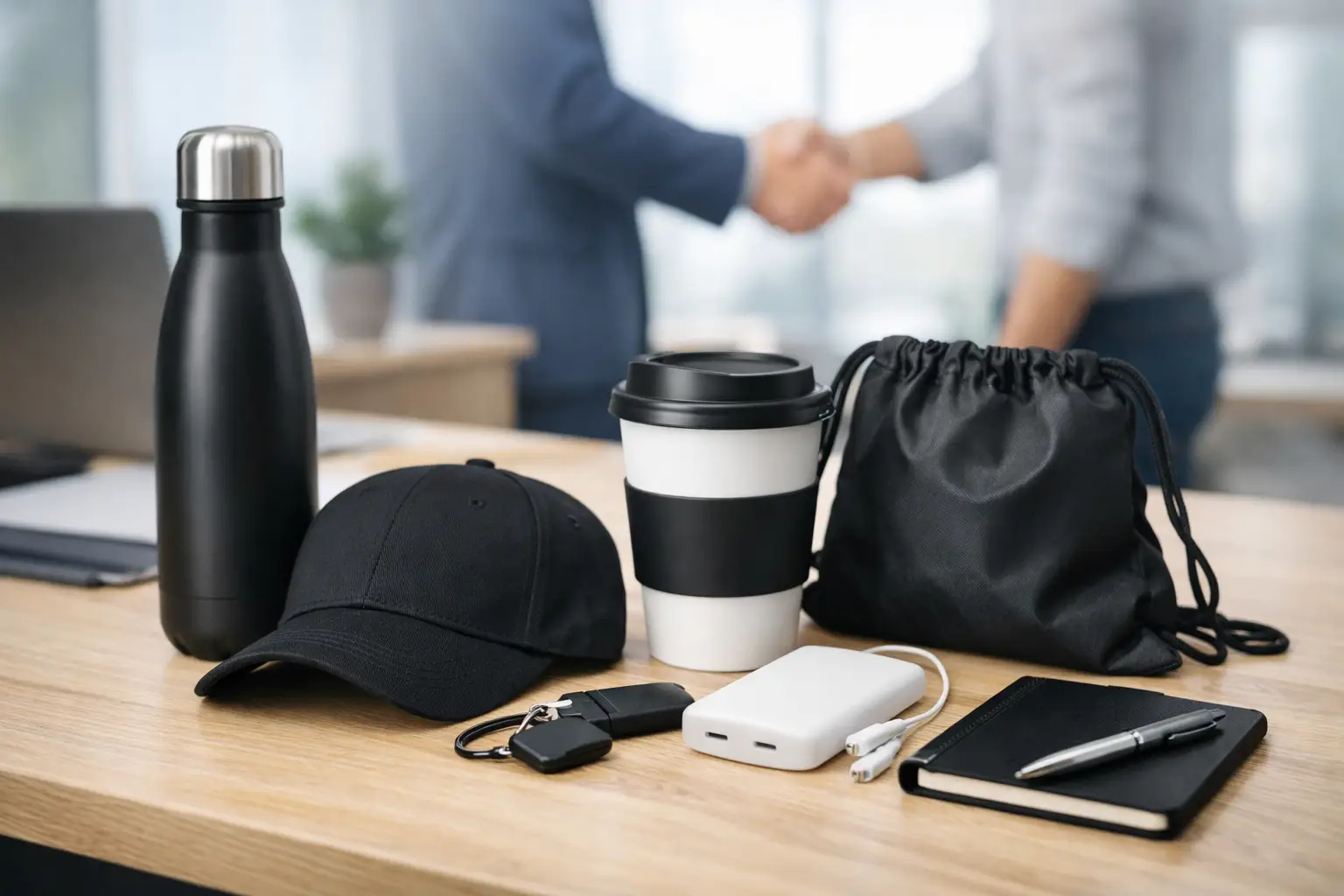
A trade show attendee may forget the conversation at your booth by lunchtime. They are far less likely to forget the insulated tumbler on their desk, the charging cable in their travel bag, or the tote bag they use every week. That is the practical answer to why do branded giveaways work: the right item gives your brand a useful place in someone’s routine.
For business buyers, giveaways are not simply free items with a logo. They are marketing assets that can support lead generation, employee engagement, customer retention, recruiting, and event visibility. The strongest programs pair a useful product with clear branding, the right audience, and a price point that makes sense at scale.
Why Branded Giveaways Work: Utility Creates Repeat Exposure
Digital ads disappear when a campaign ends. A well-chosen promotional item can stay in use for months or years. Every use creates another brand impression without requiring another media purchase.
Consider the difference between a flimsy giveaway and a vacuum-insulated drinkware item. The first may be picked up because it is free, then discarded. The second can become part of a recipient’s commute, gym routine, or desk setup. A branded notebook, backpack, power bank, polo, or coffee mug can do the same thing when it matches how people actually work and live.
That repeated exposure is what makes branded merchandise effective. Your logo is not asking for attention in a crowded feed. It is present during a useful moment. Over time, familiarity builds trust, especially for companies selling services that require a longer buying cycle.
Utility matters more than novelty. A clever item can earn a smile at an event, but a useful item earns a place in the recipient’s day.
Giveaways Create a Real Exchange of Value
People recognize a low-effort giveaway immediately. If the product feels disposable, it can make the brand feel disposable too. On the other hand, an item with clear everyday value signals that your organization put thought into the interaction.
This does not mean every campaign needs premium merchandise. It means the item should fit the moment. A high-volume conference may call for affordable tote bags, pens, badge holders, or phone accessories. A key client meeting may justify recognizable drinkware or a curated gift set. An employee anniversary program may benefit from quality apparel, wellness items, or outdoor gear.
The perceived value of the product also makes it easier to start conversations. At a trade show, attendees are more willing to stop, scan a code, answer a qualifying question, or book a follow-up when they receive something they can use. For sales teams, a thoughtful branded gift can reopen a quiet account or make a post-meeting follow-up more memorable.
The goal is not to buy attention with the most expensive item available. The goal is to offer value that feels appropriate, relevant, and worth keeping.
Physical Items Help People Remember Who Gave Them
A branded giveaway connects an item to an experience. Someone who receives a useful tumbler during onboarding may associate it with a positive first week. A prospect who takes home a travel charger from your event may remember your sales team the next time they need your service. A customer who receives a branded gift after a successful project may feel recognized rather than processed.
That connection is especially useful for brands that are not purchased often or are difficult to explain in a quick message. Promotional products provide a physical reminder between touchpoints. They keep your company more familiar while the recipient compares vendors, waits for budget approval, or prepares for a future need.
Recognition is equally powerful inside the organization. Employees who receive branded apparel or practical welcome kits see tangible evidence that they belong to the team. For remote employees, a branded box delivered to their home can replace some of the shared experience that naturally happens in an office.
The Best Giveaways Are Chosen for the Audience
There is no single giveaway that works for every campaign. A procurement team needs a different approach than college recruits, field sales reps, conference attendees, or long-tenured employees. Strong merchandise programs begin with the recipient and the intended action.
For example, event planners often need items that are easy to carry, easy to distribute, and visible on a busy show floor. Branded bags, drinkware, caps, and compact tech accessories can work well because attendees can use them immediately. HR teams may prioritize higher-quality apparel, desk essentials, wellness products, or gift sets that make employees feel appreciated. Sales organizations may prefer premium client gifts that reinforce the value of an important relationship.
Product choice should also reflect your brand. A sustainability-focused company may choose reusable drinkware, recycled bags, or long-life office items. A technology business may lean toward charging accessories, webcam covers, Bluetooth speakers, or laptop bags. A company with an active, outdoors-oriented customer base may get more value from coolers, golf gear, or performance apparel.
When the product makes sense for the recipient, branding feels natural rather than forced.
Quality Protects the Impression You Are Paying For
Low cost matters, particularly when ordering hundreds or thousands of units. But the cheapest item is not always the best value. If the print fades, the zipper breaks, or the product never leaves the event bag, your campaign loses the repeat exposure that makes promotional merchandise worthwhile.
The right approach is to match quality to purpose. For mass distribution, select proven items with dependable decoration options and a price that supports your quantity. For employee recognition, VIP clients, executive events, or milestone gifts, invest in merchandise recipients will actively want to keep.
Recognizable brands can be useful here because they reduce uncertainty. Products from names people already trust can raise perceived value and make a gift feel more intentional. That said, a well-made unbranded-style item with a clean logo treatment can be just as effective when it is genuinely useful and fits the campaign budget.
Branding itself deserves the same attention. A crowded imprint can weaken an otherwise strong item. Use a clear logo, appropriate color contrast, and a decoration method suited to the product. Sometimes a simple logo is more premium than adding a website, tagline, and several messages to one small surface.
Distribution Can Make or Break the Campaign
The operational side of branded giveaways is easy to underestimate. A great product delivered late, sent to the wrong location, or packed without recipient information creates unnecessary work for marketing, HR, and procurement teams.
For centralized events, plan quantities around attendance, staff needs, and a reasonable buffer. For distributed teams or customer gifting, confirm addresses early and choose packaging that protects the item while still creating a polished arrival experience. Multi-location shipping is not an add-on detail when your recipients are spread across the country. It is part of the campaign experience.
Lead times also matter. Custom products require production time, and popular event-season items can move quickly. Planning early gives you better product availability, more decoration choices, and more control over price. Last-minute orders often limit options and increase freight pressure.
Measure More Than the Number of Items Handed Out
A giveaway program should have a job to do. Before ordering, identify the outcome that matters: more booth scans, booked demos, survey responses, employee participation, client meetings, social sharing, or retention activity.
At events, compare traffic and qualified leads with previous shows. For employee campaigns, track participation rates and feedback. For direct-mail gifts, monitor replies, meetings booked, or account activity after delivery. You will not always be able to assign every sale to one branded item, but you can see whether the merchandise helped create stronger engagement.
Cost per item is useful, but cost per meaningful interaction is often a better measure. A $3 giveaway that produces no conversations is not automatically a bargain. A $15 item sent to a carefully selected group of high-value prospects may produce much stronger returns.
Build a Giveaway Program People Want to Keep
Branded giveaways work because they turn a logo into something useful, visible, and personal. They give your organization more than a quick impression – they create a reminder that can travel from a trade show floor to a desk, a home office, a client meeting, or a weekend outing.
The best results come from practical product selection, quality that fits the audience, reliable fulfillment, and pricing that allows you to scale without wasting budget. Discount Swag helps business buyers source branded merchandise across those needs, from event-ready basics to premium gifts and multi-location employee shipments. Choose an item people will genuinely use, and your brand has a better chance of being remembered when it matters.
 Bottle Carriers
 Mugs
Mugs