

Wait 24 Hours, Then Use This Care Routine to Save Printed Merch Shirts

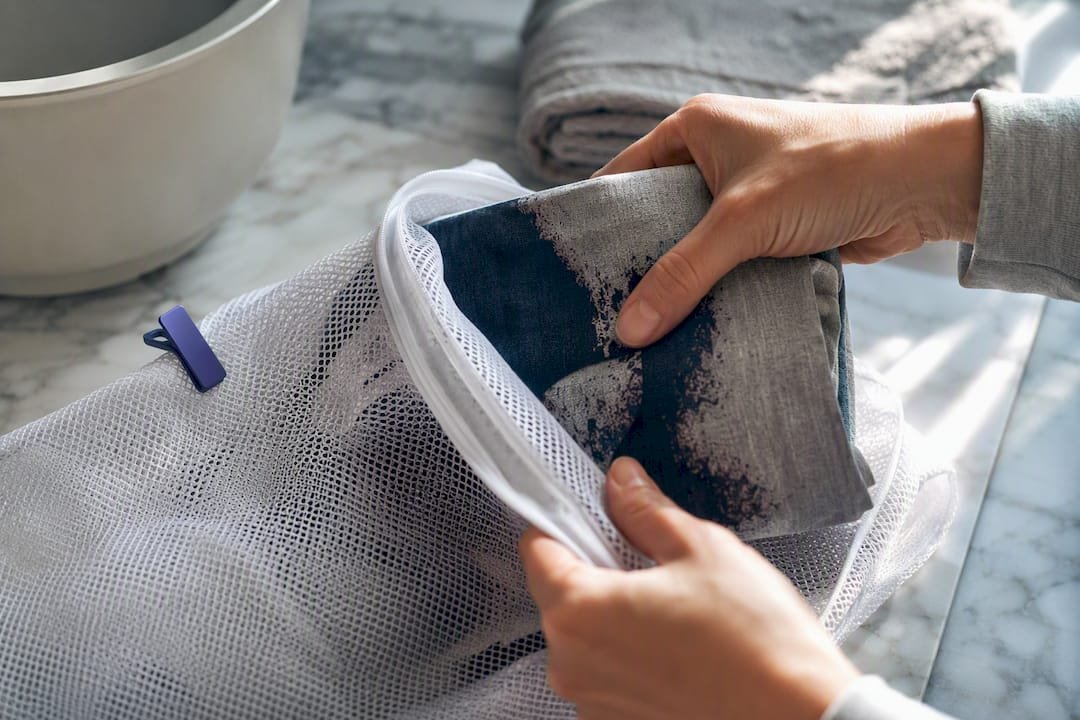
Wash it cold, turn it inside out, run a gentle cycle with mild detergent, then air dry or tumble on the lowest heat setting. Never let an iron touch the print directly. That single routine protects the vast majority of printed shirts, whether they came from a screen printer or a heat press. A few print types need extra caution, and that nuance is worth five more minutes of reading.
TL;DR:
- Washing printed shirts in cold water at or below 86°F and inside out significantly extends print life by reducing heat and friction damage.
- Air drying or tumble drying on the lowest heat setting prevents cracking and peeling, especially for plastisol and heat transfer vinyl prints.
- Heavily embellished or fragile prints benefit from protection in mesh laundry bags and careful handling to prevent damage during washing.
- Different print types require specific care: DTG bonds into fibers and hates fabric softeners, while sublimation is the most wash-tolerant, but all respond to proper washing and drying.
- Including clear care instructions in bulk orders minimizes brand damage caused by improper washing and helps maintain print quality over time.
Table of Contents
- Quick Care Checklist For Every Wash
- How Do You Wash a Printed Shirt Step By Step?
- What’s the Safest Way to Dry and Iron a Printed Shirt?
- Do Different Print Types Need Different Care?
- How Do You Get a Stain Out Without Ruining the Print?
- How Should You Store Printed Shirts Long Term?
- What Discount Swag Tells Every Bulk Merch Buyer
- Why Care Instructions Matter More Than Most Buyers Realize
- Sources
- FAQ
Quick Care Checklist For Every Wash
Pin this to the laundry room wall or screenshot it before your next load. Every step below reduces the two things that kill prints fastest: heat and friction.
- Turn the shirt inside out before it goes anywhere near water.
- Wash cold, at or below 86°F (30°C), on a gentle or delicate cycle, or hand-wash if the print is delicate.
- Use a mild, bleach-free liquid detergent. Skip fabric softener and dryer sheets entirely.
- Air dry when possible, or tumble dry on the lowest heat setting and pull the shirt out while it’s still slightly damp.
- Sort printed shirts away from denim, zippers, and anything with buckles or rough hardware.
- Drop delicate or heavily embellished prints into a mesh laundry bag for extra protection.
Follow that list and you’ve covered what best-practice guides consistently point to as the three things that matter most: cold water, inside-out washing, and staying away from heat in the dryer.
How Do You Wash a Printed Shirt Step By Step?
Machine washing screen printed shirts, DTG tees, or heat-pressed designs comes down to sequence as much as settings. Skip a step and you’re rolling the dice on cracked ink.
- Check the care label first. Manufacturers occasionally flag exceptions for specialty fabric blends.
- Turn the shirt inside out. This one habit does more to extend print life than almost anything else on this list, since it keeps the design away from direct contact with zippers, buttons, and other garments.
- Set the machine to cold water and a gentle or delicate cycle. Cold water below 86°F slows ink breakdown, limits shrinkage, and keeps colors from bleeding.
- Add a mild liquid detergent. Skip the powder if you can. It dissolves less completely and can leave residue on the print surface.
- Use a normal or reduced spin speed and don’t overload the machine. Crowded loads mean more fabric-on-fabric friction.
If you’d rather hand-wash, soak the shirt in cold water, agitate gently with your hands, and rinse thoroughly without wringing or scrubbing the printed area.
Newly printed shirts, especially ones you just picked up from a bulk order, benefit from a 24-hour wait before that first wash. It gives inks and adhesives time to fully set. Wash new prints alone or with similar colors for the first cycle, since preshrunk blanks can still release a small amount of dye.
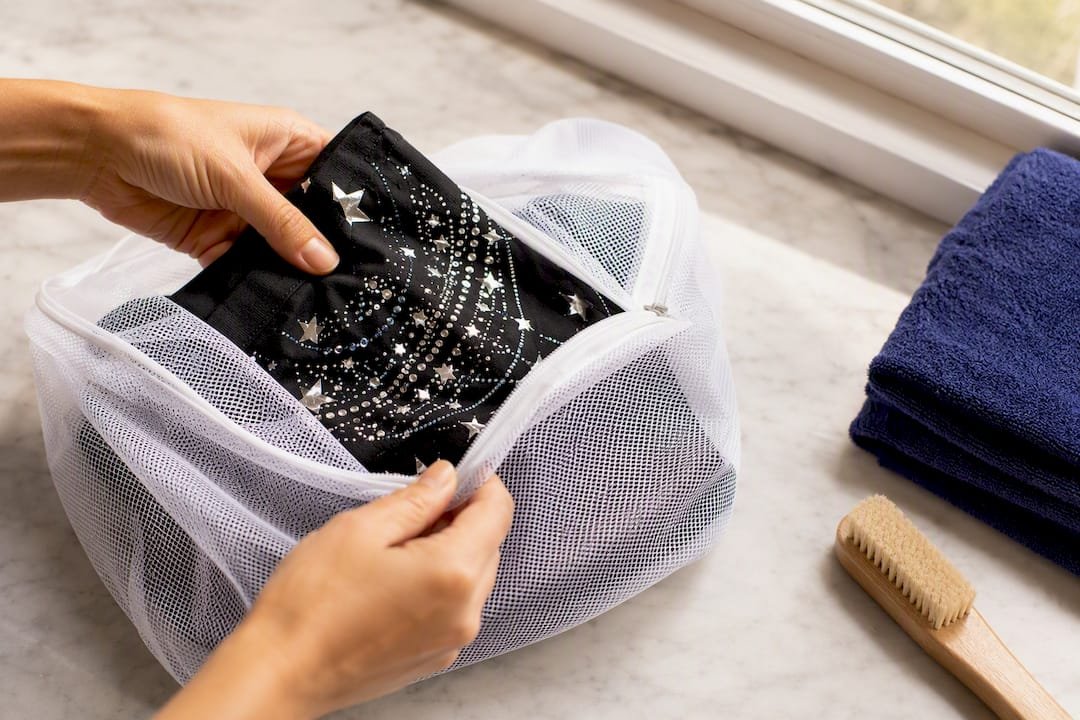
Pro Tip: Toss heavily embellished shirts, like ones with rhinestones or foil accents, into a mesh laundry bag every single time. It’s the cheapest insurance you’ll buy for a $20 shirt.
What’s the Safest Way to Dry and Iron a Printed Shirt?
Heat is the real enemy here, not water. A domestic dryer’s high setting can run 70 to 75 degrees Celsius inside the drum, which is more than enough to soften plastisol ink and cause it to crack or peel over repeated cycles.
- Hang the shirt or lay it flat to air dry. Both work; lay flat if the fabric is prone to stretching.
- Keep it out of direct, intense sunlight for extended stretches. UV exposure fades pigments even faster than washing does.
- If you use a dryer, set it to low heat only, and pull the shirt out while it’s still a little damp instead of running a full cycle.
- Never run heavy printed hoodies or sweatshirts through repeated high-heat cycles. The extra fabric weight combined with heat accelerates stretching at the shoulders and print cracking across the chest.
- If you need to iron, always flip the shirt inside out first, use a low setting, and place a pressing cloth between the iron and the print. Skip the steam function near the design entirely.
Do Different Print Types Need Different Care?
Yes, and this is where most people go wrong. They treat every printed shirt the same way, but screen print, DTG, DTF/HTV, and sublimation all respond differently to washing and drying.
- Screen print (plastisol ink): Tolerant of regular washing, but heat is its weak point. Repeated high-heat drying is the leading cause of the cracking pattern you see on old band tees.
- DTG (direct-to-garment): The ink bonds into the fabric fibers themselves rather than sitting on top. Cold water protects that bond, and fabric softener works against it by coating fibers and dulling the ink’s grip.
- DTF/HTV (heat transfer vinyl): This is an adhesive layer sitting on top of the fabric, not inside it. Air drying is strongly recommended here, since dryer heat is the single fastest way to make edges lift and peel.
- Sublimation: The most wash-tolerant of the group, since the dye becomes part of the fabric at a molecular level. Still, skip harsh chemicals and follow the base fabric’s own care label.
- Rhinestones, glitter, and foil accents: These need hand-washing or a protected cycle inside a mesh bag, since machine agitation is what knocks embellishments loose.
Mechanical agitation inside a washing machine drum is a leading cause of print wear over time, and inside-out washing paired with a mesh bag meaningfully cuts down that abrasion.
How Do You Get a Stain Out Without Ruining the Print?
Spot-clean from the back of the fabric whenever you can. Pushing a stain out from behind, rather than scrubbing it in from the front, keeps you from grinding the treatment directly into the print.
- Use a mild detergent or a diluted dish soap for the initial treatment.
- Avoid bleach, strong oxidizers, and enzyme-heavy stain removers on or near printed areas. Bleach strips color fast, and enzyme cleaners can quietly degrade the adhesive layer under a transfer print.
- Test any product on a hidden seam first, not on the shirt itself.
- If a stain sits close to the design, mask off the print with a cloth or plastic wrap while you treat the fabric around it, then rinse thoroughly.
- If the spot treatment involved any scrubbing near the print, hand-wash the whole shirt afterward rather than tossing it straight in the dryer.
Pro Tip: Keep a small bottle of diluted dish soap by the laundry hamper. Treating a stain within a few hours, before it sets, saves you from needing anything stronger later.
How Should You Store Printed Shirts Long Term?
Only wash a printed shirt when it actually needs it. Airing a lightly worn shirt out overnight often means you can skip a wash cycle entirely, which is one less round of heat and friction on the design.
- Fold rather than hang for long-term storage. Hangers stretch the shoulder seams over months, which distorts the print’s shape.
- Fold so the print faces outward or lies flat against another folded panel, avoiding a sharp crease directly across the design.
- Store in a cool, dry spot away from prolonged direct sunlight. Humidity encourages mildew, and UV exposure fades pigment even in storage.
- Avoid stacking heavy items on top of folded shirts. Constant pressure on a print over weeks can set a permanent crease line.
- Everyday shirts can handle a normal wash schedule, but kids’ active wear and gym shirts that see heavy sweat exposure benefit from washing sooner rather than letting stains and salt set into the fibers.
What Discount Swag Tells Every Bulk Merch Buyer
Ordering apparel by the dozen or the thousand changes the calculus a little, and this is where Discount Swag’s day-to-day experience with corporate apparel programs comes in handy.
- Include a small printed care card in every branded box or kit. A short, clear card protects brand perception, since recipients who get simple wash instructions return or complain about damaged prints far less often than recipients who guess.
- Card copy can be as short as: “Wash cold, inside out. Air dry or tumble low. Skip the iron on the print.”
- If prints crack after only a few washes across a batch, ask your supplier directly whether the ink was fully cured at production, since undercured ink fails even with perfect wash habits on the customer’s end.
- Before committing to a full run, request a sample blank and test-wash it yourself. Checking logo size and placement at the same time catches two problems before they become returns.
- For programs choosing between decoration types, review how screen printing compares to embroidery for durability before locking in a method.
Why Care Instructions Matter More Than Most Buyers Realize
Here’s what gets missed: the shirt is rarely the problem. Most complaints about “cheap” printed merch trace back to a first wash gone wrong, not a bad print job. Care guidance built into merch programs helps prevent brand damage caused by shirts that crack after a few washes. If you’re distributing branded apparel at scale, pair the order with a bulk apparel program that includes simple care instructions in the box, not just in an email nobody opens.
— Jerry
Sources
- How to Wash Screen Printed Shirts | Care Tips That Prevent Cracking & Fading
- How to Wash Screen Printed or Embroidered Clothes and Keep Them Looking Good
- How to Wash Printed T-Shirts to Make the Design Last Longer — Printable Press
FAQ
How Do You Care for Printed T-Shirts?
Wash cold and inside out on a gentle cycle with mild detergent, skip fabric softener, and air dry or tumble on low heat. Never iron directly over the design.
How Soon After Pressing Can You Wash a DTF Print?
Wait at least 24 hours after a shirt is printed before the first wash, since the transfer adhesive needs that time to fully set into the fabric.
How Do You Keep a Printed Shirt From Fading?
Cold water, mild detergent, and air drying are the three biggest factors, since heat and harsh chemicals like bleach are what strip color fastest.
Is It Better to Wash Printed Shirts Inside Out?
Yes. Turning a shirt inside out shields the print from direct friction against zippers, buttons, and other clothes during the wash cycle, which meaningfully cuts down on cracking and peeling over time.
 Bottle Carriers
 Mugs
Mugs