
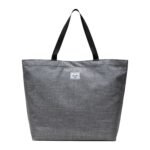

Branded Merchandise for Events: A 2026 Planner’s Guide

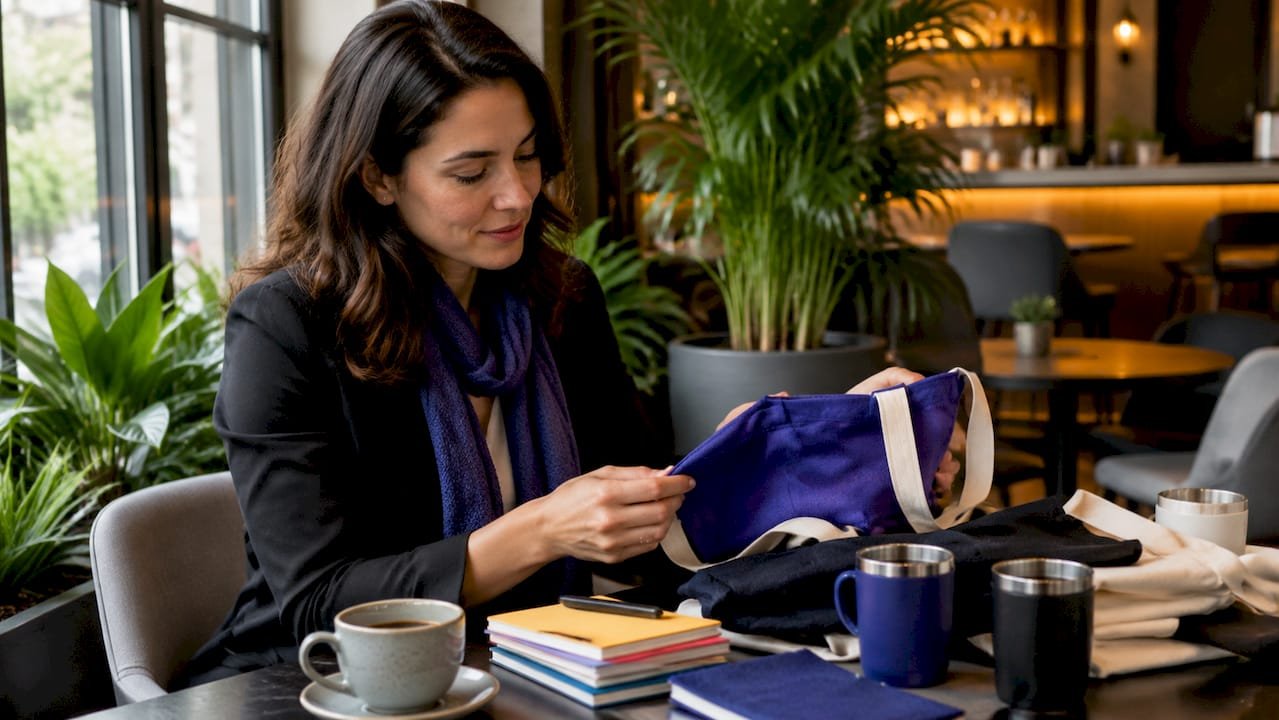
Branded merchandise for events is defined as physical items customized with your logo, colors, or messaging that extend your brand presence before, during, and after an event. These are not decorative extras. They are brand engagement tools that generate impressions long after attendees leave the venue. A well-chosen tote bag, thermal mug, or branded t-shirt keeps your name in front of prospects every time it gets used. The right items also signal professionalism, build goodwill, and give attendees a reason to remember your booth or session over every other one they visited that day.
1. What branded merchandise for events generates the most impressions?
The top performers by raw impression count are tote bags, t-shirts, and thermal mugs. T-shirts generate over 3,400 impressions per unit over their lifetime. Tote bags follow closely at more than 3,300 impressions per unit. Thermal mugs deliver over 1,400 impressions. These numbers matter because they translate directly into cost-per-impression, which is the real metric for event marketing ROI.
Utility is the driver behind these numbers. Items people use daily stay visible. A branded tote carried to the grocery store or gym reaches dozens of people per trip. A logo mug on a desk gets seen by every coworker and visitor. Merchandise longevity in daily use is the most critical metric for event ROI, outperforming raw giveaway counts every time.
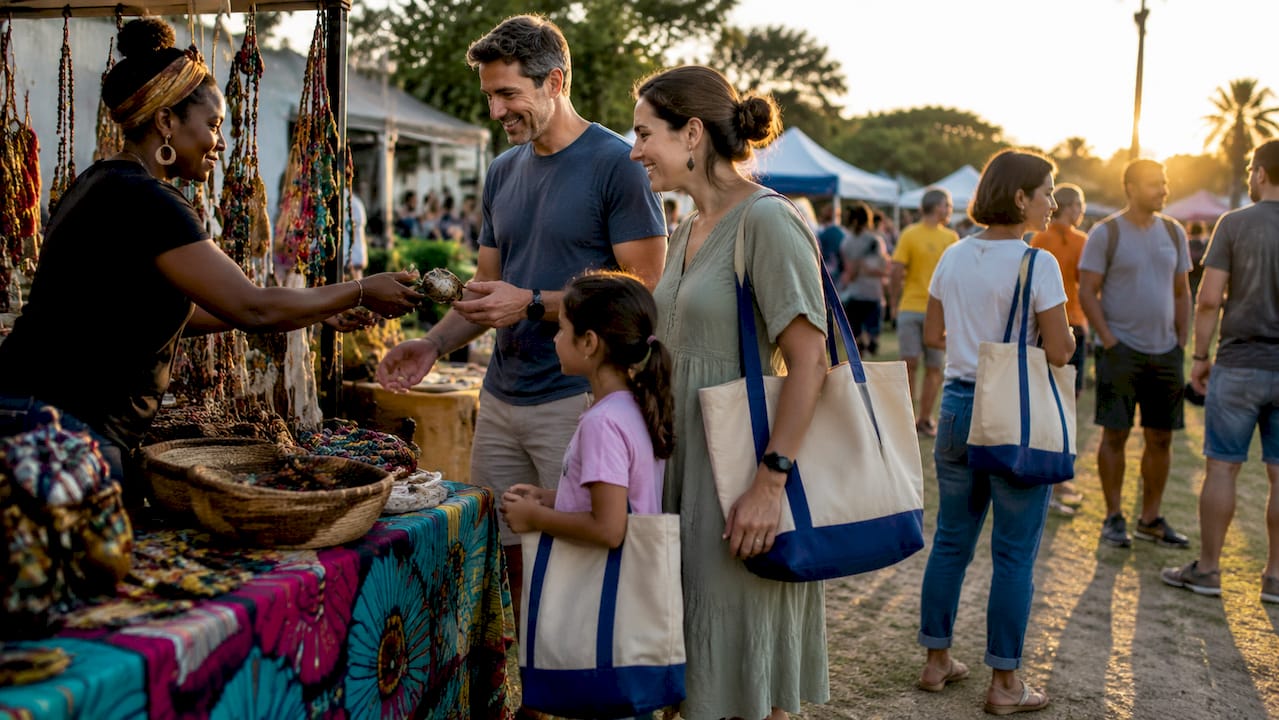
Pro Tip: Pick items that solve a real problem for your attendee. A reusable tote solves the “too much stuff to carry” problem at conferences. A thermal mug solves the “cold coffee by 9 a.m.” problem. Solve a problem, and your brand stays top of mind.
Here are the top item categories worth prioritizing:
- Tote bags: High impressions, low cost per unit, universally useful at conferences and trade shows
- T-shirts and apparel: Maximum impressions per unit, strong brand visibility in public settings
- Thermal mugs and drinkware: Daily use items with strong recall, popular with professional audiences
- Branded socks: A niche but effective choice. Branded socks generate hundreds of impressions over months of use and turn recipients into loyal brand ambassadors
- Tech accessories: Portable chargers, USB drives, and cable organizers score high with conference audiences
2. How to balance budget between bulk items and premium giveaways
Event merchandise budgeting follows a two-tier structure. Bulk items run $2–$10 per unit and cover mass distribution at booths, registration tables, or general sessions. Premium giveaways range from $25–$150 per unit and target qualified leads, VIP guests, or speakers. Mixing both tiers is the standard practice for professional event marketers.
The logic behind this split is straightforward. You cannot give a $75 gift set to every attendee at a 2,000-person conference. But you also cannot build meaningful relationships with your top prospects using a $3 pen. A tiered merchandise strategy lets you scale generosity to the value of the relationship.
Here is a practical framework for splitting your budget:
- Allocate 60–70% to bulk items. These cover the majority of attendees and drive broad brand awareness.
- Reserve 30–40% for premium pieces. Use these for VIP sessions, post-show follow-ups, or qualified lead meetings.
- Set your minimum order quantities strategically. Standard MOQs start at 100 units, but pricing improves significantly at 200–500 units or more. Order at the higher threshold when your budget allows.
- Match item quality to audience expectations. A tech industry conference crowd expects something more considered than a foam stress ball.
- Plan for attrition. Order 10–15% more than your expected attendance to cover last-minute additions, staff needs, and damaged units.
Pro Tip: Use bulk items to drive foot traffic to your booth and premium items to close conversations. The bulk piece gets people to stop. The premium piece gives them a reason to remember the meeting.
3. What logistical factors can derail your event merchandise plan?
Logistics is where most event merchandise plans fail. Ordering the right items at the right price means nothing if they arrive two days after the event ends. Suppliers with virtual warehousing and on-time delivery capabilities are the difference between a smooth event and a brand crisis.
Lead times are the first variable to lock down. Standard production for custom promotional items runs 10–15 business days, not counting shipping. Rush orders exist, but they cost more and carry higher error rates. Build your order timeline backward from the event date, not forward from when you feel ready to order. Detailed guidance on ordering timelines and vendor selection can save you from the most common planning mistakes.
Key logistical factors to address before placing any order:
- Lead time confirmation: Get a written production and delivery timeline from your supplier before paying
- Venue shipping rules: Many convention centers and hotels have strict receiving windows and storage fees. Confirm these before shipping directly to the venue
- Size sorting and polybagging: For apparel, professional logistics services include size sorting, polybagging, and split deliveries to reduce onsite handling time
- Quality checks: Request a pre-shipment inspection or sample approval for orders above 500 units
- Backup supplier: Identify a secondary source for your most critical items in case of production delays
Shipping errors damage brand perception in a way that is hard to recover from. Arriving at a trade show with the wrong logo color or a short shipment tells prospects that your organization does not sweat the details. That impression sticks.
4. How to match merchandise to your event type and audience
Corporate event merchandise is not one-size-fits-all. The right item for a 500-person tech conference is different from the right item for a 50-person executive retreat or a 10,000-person outdoor festival. Matching your product selection to the event format and audience profile is what separates forgettable swag from items people actually keep.
For trade shows and conferences, prioritize carry-friendly items. Attendees are already loaded with bags, lanyards, and handouts. A well-designed tote or a compact tech accessory fits their context. For corporate visits and VIP events, personalized event gifts with premium packaging signal respect for the relationship. Think custom notebooks, quality drinkware sets, or curated gift boxes. For outdoor festivals and community events, durability and fun win. Branded sunglasses, water bottles, and hats work because they are immediately useful in that environment.
Audience values matter as much as event format. Sustainability-conscious attendees respond to reusable totes, insulated tumblers, and apparel made from recycled or organic materials. Forcing a single-use plastic item on a green-minded audience sends the wrong signal entirely. Know your crowd before you finalize your product list.
Experiential marketing trends are also reshaping how merchandise fits into events. Event strategies now use merchandise to drive social media interaction, not just brand recall. A custom item with a unique design or a QR code linking to a contest creates a moment worth sharing. That extends your event’s reach well beyond the room. Staying current on promotional product trends helps you identify which items are generating buzz in 2026 versus which ones have already peaked.
For audience-specific customization, consider these approaches:
- Match color palettes to your brand standards, not generic stock colors
- Use slogans that reflect the event theme, not just your company tagline
- For international or multicultural audiences, review imagery and text for cultural fit
- Offer size options for all apparel to avoid the one-size-fits-nobody problem
Key takeaways
The most effective branded merchandise for events combines daily utility, strategic budget allocation, and reliable logistics to maximize brand impressions long after the event ends.
| Point | Details |
|---|---|
| Utility drives impressions | T-shirts and tote bags generate 3,400+ impressions per unit because people use them daily. |
| Use a two-tier budget | Spend 60–70% on bulk items for mass reach and 30–40% on premium pieces for qualified leads. |
| Lock down logistics early | Confirm lead times, venue shipping rules, and quality checks before placing any order. |
| Match merch to the audience | Sustainability-focused crowds want reusable items; VIP attendees expect premium packaging. |
| Experiential merch extends reach | Items with QR codes or unique designs generate social sharing that multiplies event exposure. |
Why I stopped chasing novelty and started buying utility
The biggest mistake I see event planners make is choosing merchandise that looks great in a product catalog and gets left on a hotel room nightstand by 8 p.m. I spent years watching clients order custom fidget spinners, branded selfie sticks, and novelty items that felt clever in a planning meeting. Almost none of them survived the trip home.
What actually works is boring by comparison. Tote bags. Good drinkware. Quality apparel. These items earn their place in daily routines, and that is where brand impressions compound over time. A thermal mug used every morning for six months is worth more than 50 novelty items that got tossed in the first recycling bin outside the convention center.
The other shift I would recommend is treating your logistics partner as seriously as your creative partner. I have seen beautifully designed merchandise arrive in the wrong sizes, with the wrong Pantone color, three days after the event closed. The product was perfect on paper. The execution failed because no one verified the supplier’s quality control process or confirmed the shipping timeline in writing.
My honest advice: order fewer item types, order them well, and build in two weeks of buffer on every timeline. The planners who do this consistently are the ones whose attendees still have their branded gear a year later.
— Jerry
Find the right custom promotional items for your next event
Planning your next conference, trade show, or corporate event? Discountswag carries a broad range of custom promotional products built specifically for event marketers who need quality, speed, and competitive pricing.
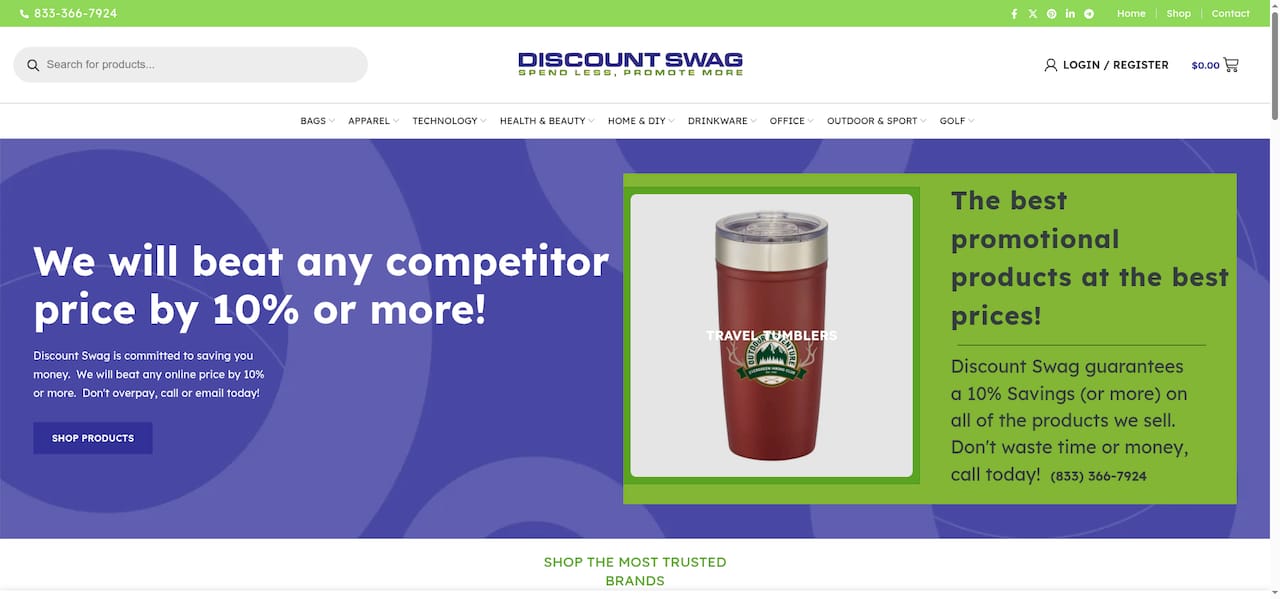
From bulk giveaway products to premium branded gift sets, Discountswag sources items that fit every event format and budget tier. Whether you need 500 logo tote bags for a conference floor or 50 curated corporate gift sets for a VIP dinner, the catalog covers both ends of the spectrum. Browse by product category to find items matched to your event type, audience, and timeline.
FAQ
What is event merchandise?
Event merchandise is any physical item customized with a brand’s logo, colors, or messaging and distributed at or around a live event. Common examples include tote bags, apparel, drinkware, and tech accessories.
How many impressions does branded event swag generate?
T-shirts generate over 3,400 impressions per unit and tote bags generate over 3,300, making them the highest-impression items in the custom promotional items category.
What is a realistic budget for branded gifts for trade shows?
Bulk items for general attendees typically cost $2–$10 per unit, while premium giveaways for qualified leads or VIPs range from $25–$150 per unit.
How far in advance should I order merchandise for conferences?
Order at least 4–6 weeks before your event date to allow for standard production runs of 10–15 business days plus shipping and any quality review time.
What merchandise works best for sustainability-focused audiences?
Reusable tote bags, insulated tumblers, and apparel made from eco-friendly materials are the top choices for audiences with strong sustainability preferences.
 Bottle Carriers
 Mugs
Mugs