

Branded Merchandise That Delivers More

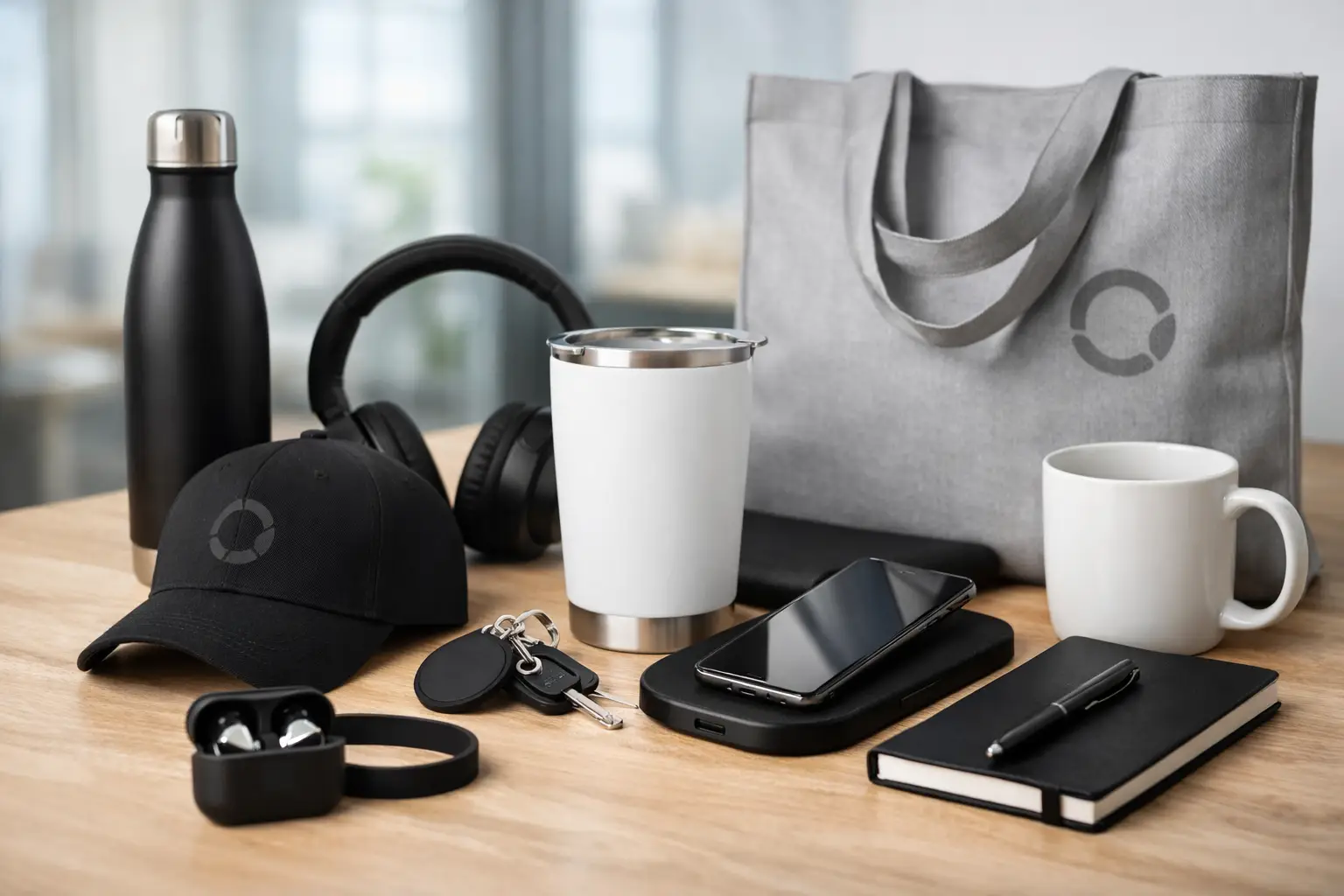
A rushed swag order usually looks cheap, ships late, or misses the point. Good branded merchandise does the opposite. It supports a campaign, reflects your brand well, lands on time, and stays within budget. For business buyers juggling event deadlines, employee programs, and procurement scrutiny, that combination matters more than ever.
Why branded merchandise still works
The reason branded merchandise keeps earning budget is simple – people use useful items. A pen may still have a place, but buyers today are looking harder at retention, perceived value, and whether a product actually gets carried, worn, or kept at a desk. The right item can turn a one-time impression at a trade show into repeat visibility for months.
That does not mean every product category performs the same way. A low-cost giveaway can make sense when reach matters most, such as large conferences or community events. A branded gift set, premium tumbler, or tech accessory is usually a better fit when the goal is client appreciation, executive gifting, or employee recognition. The best results come from matching product value to business purpose, not from picking whatever is trendy that week.
Buyers also need to think beyond the item itself. Decoration method, packaging, shipping speed, and inventory depth all affect whether a campaign runs smoothly. A great-looking product with a weak imprint or unreliable delivery quickly becomes an expensive problem.
How to choose branded merchandise for the job
The fastest way to waste budget is to treat all swag requests the same. A recruiting event, a sales kickoff, and a remote onboarding campaign should not be built from the same product mix. Start with the use case, then work backward into product category, price point, and fulfillment plan.
For trade shows and lead generation
At events, volume and speed usually matter most. You need items that are easy to hand out, easy to carry, and affordable enough to order in larger quantities. Bags, drinkware, notebooks, and practical desk accessories tend to perform well because they combine usability with broad appeal.
In this setting, overpaying for premium products can cut reach too aggressively. But going too cheap can hurt brand perception, especially if the item feels disposable. The better move is often to find mid-range products with clean decoration and dependable stock.
For employee onboarding and remote teams
This is where branded merchandise can do more than advertise. It can create consistency across offices, home workspaces, and distributed teams. Apparel, branded boxes, drinkware, notebooks, and technology accessories work well because they support day-one connection and ongoing use.
Multi-location shipping becomes a real operational issue here. A product assortment may look perfect on paper, but if fulfillment is difficult or recipients are spread across the country, the campaign can become harder to manage than it should be. Buyers should prioritize vendors that can handle individual shipments without creating extra work for HR or operations.
For client appreciation and executive gifting
Perceived quality matters most in this category. Recognizable brands, better materials, and stronger presentation can make a major difference. Premium drinkware, curated gift sets, and higher-end office or travel products tend to carry more weight than generic giveaway items.
This is also the category where price alone should not drive the decision. Value still matters, especially in volume, but the wrong product can make the gift feel transactional instead of thoughtful. Buyers should look for items that align with the recipient’s day-to-day habits and the level of relationship they want to reinforce.
Product categories that keep performing
Some categories stay strong because they work across industries and buyer types. Drinkware remains one of the most dependable options because it offers daily visibility, broad usability, and a wide range of price points. A budget tumbler can support event volume, while premium branded bottles from recognized names fit gifting and employee programs.
Apparel is another core category, but it requires more care. Size distribution, style preferences, and decoration quality all matter. If you get those variables right, branded apparel becomes one of the longest-lasting merchandise investments you can make. If you get them wrong, you end up with unused inventory and frustrated recipients.
Bags continue to perform because they move beyond the office. Tote bags, backpacks, and travel-friendly options give your logo visibility in transit, at events, and in everyday use. Office supplies still have a place too, especially when budgets are tight, though buyers should be selective. The product needs to feel useful, not like filler.
Technology accessories have become especially effective for modern workforces. Chargers, power banks, webcam covers, phone stands, and cable organizers fit both event and employee use cases. They also help bridge the gap between office-based and remote work environments.
Price matters, but total value matters more
Most business buyers are under pressure to stretch budget. That is real, and it should shape the buying process. But lowest unit price is not the same as best value. A cheaper item that arrives late, prints poorly, or generates little recipient interest can cost more in the long run than a better product at a slightly higher price.
That is why price protection and quality curation matter together. A strong supplier network, broad catalog, and aggressive pricing help buyers stay competitive without taking unnecessary risks. Discount Swag built its model around that reality by focusing on lower pricing, trusted product options, and fulfillment support that works for real business programs, not just simple one-box shipments.
The practical goal is not to spend more. It is to spend smarter. In some campaigns, that means finding the lowest possible cost per item. In others, it means paying for a product that people will actually keep and use.
Common mistakes that weaken branded merchandise campaigns
One of the biggest mistakes is choosing products before defining the audience. Internal teams often pick what they personally like, which is understandable but not always useful. A better standard is relevance. What will this audience use, carry, wear, or appreciate often enough to justify the spend?
Another common problem is underestimating timeline risk. Popular products go out of stock. Decoration takes time. Shipping windows tighten fast around major events and seasonal peaks. Buyers who wait too long usually end up paying more for fewer options.
There is also the issue of overcomplicating the order. Too many SKUs, too many decoration variations, or too many shipping exceptions can slow down approvals and increase error risk. Simplicity often improves both speed and cost control.
Finally, some teams treat merchandise as a standalone purchase when it should be part of a broader program. The best orders support a clear purpose – event traffic, employee connection, customer retention, recruiting, or brand visibility. Without that purpose, it becomes hard to measure success or defend budget next quarter.
What smart buyers look for in a merchandise partner
Catalog size matters because it gives you room to match the product to the campaign instead of forcing the campaign to fit limited inventory. But selection alone is not enough. Buyers also need pricing strength, dependable sourcing, decoration quality, and distribution capabilities that reduce internal workload.
That is especially true for organizations shipping to multiple offices, event sites, or individual homes. The right partner should make centralized ordering easier, not create a second logistics job for your team. Consultative support matters here because even experienced buyers need fast answers on alternatives, lead times, and budget options.
Recognizable product brands can also play an important role. In the right setting, they raise perceived value quickly and make gifting more effective. That does not mean every order should be premium. It means buyers should have access to both cost-efficient staples and higher-end options when the use case calls for them.
Branded merchandise works best when it is intentional
The strongest merchandise programs are rarely the flashiest. They are the ones that fit the audience, respect the budget, and arrive without drama. That is what procurement teams want, what marketers need, and what employees or customers actually notice.
If you are buying in volume, the decision is not just about putting a logo on a product. It is about making sure the product earns its place in your campaign. Start with the goal, choose items people will use, and work with a supplier that protects both your budget and your timeline. That is how branded merchandise stops being an expense and starts pulling its weight.
 Bottle Carriers
 Mugs
Mugs