

Employee Gifting Trends That Actually Work


Budget pressure has changed the conversation around employee gifting trends. Buyers are no longer asking what looks impressive on a spreadsheet. They are asking what people will actually keep, what can ship without headaches, and what reflects well on the company without pushing costs out of range.
That shift matters for HR teams, marketing leaders, office managers, and procurement buyers alike. Employee gifts now sit at the intersection of culture, retention, brand visibility, and operational reality. If the product is overpriced, delayed, or forgettable, the program misses the mark. If it is useful, well-branded, and easy to distribute, it does real work long after the handoff.
The employee gifting trends buyers are prioritizing
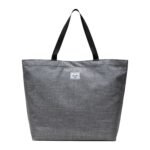
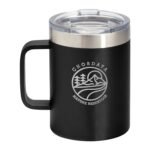
The biggest change is practical value. Flashy one-off gifts still have a place for executive milestones or top-tier recognition, but most organizations are moving toward items employees can use weekly. Drinkware, bags, outerwear, desk accessories, and tech add-ons keep showing up because they solve a simple problem: they do not feel like waste.
This is not just a taste issue. It is a budget issue. When companies need to recognize larger teams, support onboarding, or run seasonal appreciation programs, practical items stretch further. A well-made tumbler or hoodie earns more real-world use than a novelty item with a short shelf life. That makes the spend easier to defend internally.
Another clear trend is category mixing. Instead of giving one hero item on its own, many companies are building compact gift sets around a purpose. A new hire box might include branded drinkware, a notebook, a pen, and a laptop sleeve. A wellness-focused gift could pair a water bottle with a cooling towel, lip balm, or self-care item. These bundles feel more considered without requiring luxury-level budgets.
Why utility is beating novelty
Employee gifting used to lean heavily on surprise. Now it leans on usability. That is especially true when teams are distributed and companies cannot rely on an in-office moment to make the gift feel bigger than it is.
When the item has everyday value, the gift does not need a big reveal. A durable backpack for commuting, a branded quarter-zip for travel, or a phone charger for hybrid work carries its own value. Employees notice quality quickly, and they also notice when a gift feels cheap. That is why many buyers are shifting toward trusted product categories and recognizable brands when the budget allows.
There is a trade-off here. Premium branded merchandise can increase perceived value, but it also raises the cost per recipient. For some programs, that is worth it. For others, a strong mid-range item with smart decoration and dependable quality is the better call. The right answer depends on audience size, gifting purpose, and how often the company plans to send gifts throughout the year.
Remote and multi-location delivery is now part of the gift strategy
One of the most important employee gifting trends has less to do with the gift itself and more to do with fulfillment. A great product can still become a bad experience if it arrives late, goes to the wrong address, or requires internal teams to manage dozens of separate shipments.
That is why buyers are putting more weight on distribution support. Single-office drop shipments still matter, but remote teams, field teams, and multi-location organizations need more flexible delivery models. Custom branded boxes, kitting, and direct-to-recipient shipping are no longer nice extras. They are central to making gifting programs manageable.
This shift has changed how buyers evaluate vendors. Price still matters, often more than ever, but low pricing without reliable fulfillment creates its own cost. Internal labor, missed deadlines, and re-shipments can wipe out the apparent savings. The better approach is to buy for total efficiency: competitive pricing, solid product quality, and delivery options that match the way the workforce is structured.
Personalization is getting more selective
Personalization remains important, but the trend is moving away from personalization for its own sake. Employees do not necessarily need their individual names on everything. In many cases, buyers are getting better results from role-based or event-based customization that keeps programs scalable.
For example, a sales kickoff gift may use event branding and company colors rather than personal names. An onboarding kit may include a welcome card tailored to the employee experience while keeping the merchandise itself standardized. This reduces complexity, avoids long production delays, and helps companies preserve volume pricing.
That does not mean one-to-one customization is gone. It still works well for milestone anniversaries, president’s club recognition, and leadership gifts. But for broader employee populations, selective personalization often gives buyers a better balance of impact and control.
Sustainability still matters, but only when paired with value
Sustainability continues to influence employee gifting trends, but buyers are becoming more practical about it. Eco-conscious materials and reusable products remain attractive, especially for companies with clear ESG goals, but employees still judge the item by quality and usefulness first.
A recycled notebook that falls apart does not help the brand. A reusable bottle, tote, or lunch container with solid construction does. That is the difference. Sustainability works best when it is built into a product people already want to use.
For procurement teams, this creates a straightforward filter. Do not choose an item only because it checks a sustainability box. Choose it because it also performs, ships well, and represents the brand properly. If it can do all three, it earns a place in the program.
Gift sets are replacing random assortment buys
Many companies used to source gifts in a more fragmented way, ordering separate items for onboarding, holiday appreciation, recognition, and internal events without much consistency. That approach is giving way to more structured programs.
Gift sets help create that structure. They simplify selection, support consistent branding, and make unboxing feel more intentional. They also give buyers more control over pricing tiers. A company can build one set for general employee appreciation, another for manager-level recognition, and a premium version for top performers, all while staying within a familiar product family.
This matters because consistency reduces friction. Teams do not want to restart the sourcing process every quarter. They want repeatable gifting options that can scale up or down, adapt to remote delivery, and hold pricing steady as order volumes change.
Branded apparel is getting smarter
Apparel remains a strong category, but buyers are becoming more selective about where it fits. Basic tees still work for large events and internal campaigns. For employee gifting, however, the trend is moving toward more versatile apparel choices such as quarter-zips, lightweight jackets, fleece, and quality caps.
The reason is simple. Employees are more likely to wear apparel that feels useful beyond the office. If the fit, fabric, and decoration are handled well, branded apparel can become one of the highest-visibility gifts a company gives. If the sizing is off or the branding is too loud, it can become dead inventory.
That is where product curation matters. Apparel can deliver strong value, but only when the style is broad enough to appeal to a mixed workforce and the branding is applied with restraint.
What buyers should watch before placing a large gifting order
The smartest gifting programs are built backward from execution. Start with the recipient group, shipping model, and budget range before locking in products. That prevents common mistakes like choosing items with difficult lead times, oversized packaging costs, or decoration methods that slow production.
It also helps to think in terms of repeat use. A gift that gets used at a desk, in a car, at a gym, or during travel earns more attention than one that disappears into a drawer. That is why drinkware, bags, office tools, and tech accessories keep outperforming trendier categories.
Branding should support the item, not overwhelm it. Subtle, clean decoration usually gives gifts a longer lifespan. Buyers who push logo size too far often reduce the chance that employees will use the product in public or at home.
For companies managing volume purchases, price discipline is still non-negotiable. But the best value is not just the lowest line-item cost. It is the combination of competitive pricing, reliable product quality, and smooth fulfillment. That is where a supplier with broad selection and consultative support can save real time and real budget. Discount Swag fits that model well, especially for teams that need custom kits, recognizable product options, and aggressive pricing without extra sourcing friction.
The strongest employee gift is rarely the fanciest one. It is the one that arrives on time, feels useful right away, and makes your company look organized, thoughtful, and easy to work for.
 Bottle Carriers
 Mugs
Mugs