

Branded Items in Press Kits: A 2026 Strategy Guide

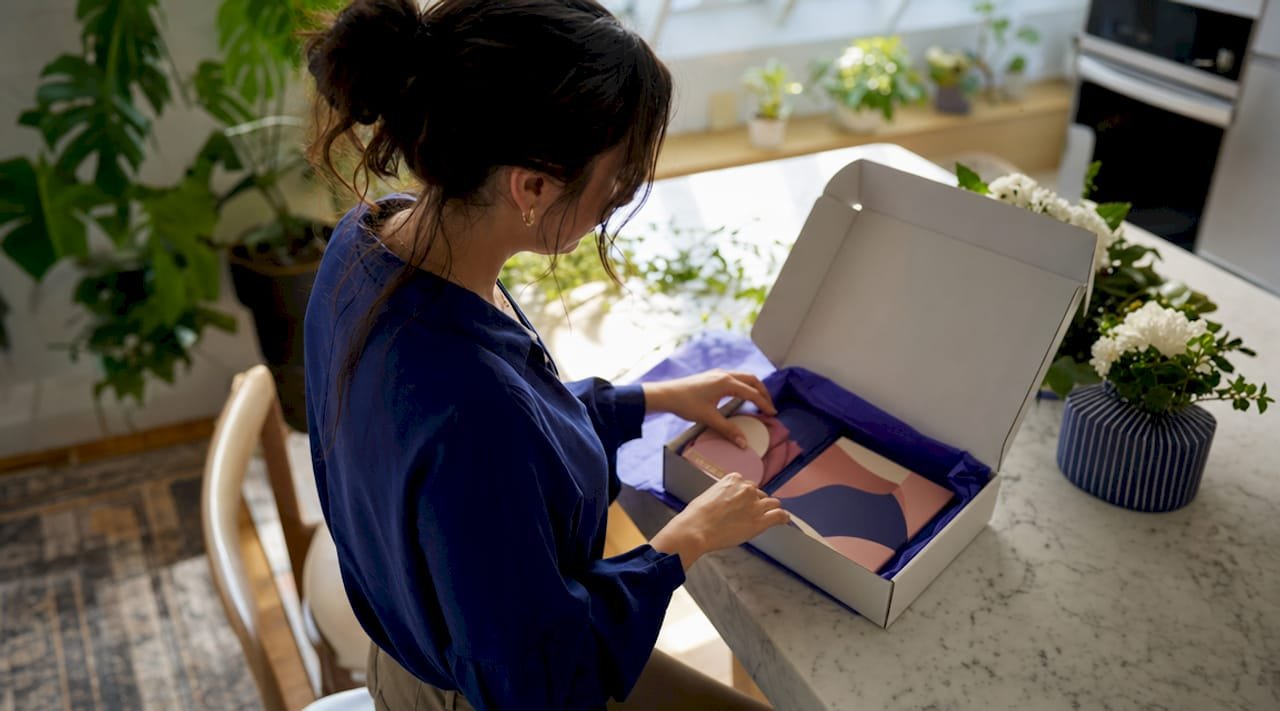
Branded items in press kits are the primary mechanism by which marketing and PR teams give journalists, influencers, and editors everything they need to publish accurate, on-brand coverage without friction. The role of branded items in press kits extends far beyond decoration. A well-structured press kit, whether digital or physical, places the right visual assets and merchandise in front of media contacts at the exact moment they need them. This article draws on 2026 industry benchmarks from presskit.gg and Cubit Packaging to show you how to select, organize, and measure branded assets for maximum earned media return.
What types of branded items work best in digital press kits?
Screenshots are the single most downloaded asset in any digital press kit, accounting for 60 to 70% of asset downloads, followed by logos at 15 to 20%. That distribution tells you exactly where to invest your production time. Journalists are not browsing your press kit for inspiration. They are grabbing the one image that fits their layout and moving on.
Logos and key art files come second in download frequency, which means every digital press kit must include them in multiple formats. Providing logos in JPEG, PNG, and EPS alongside a one-page brand guidelines document reduces misuse and eliminates the back-and-forth emails that slow publication. When a journalist can grab a transparent PNG and a print-ready EPS from the same folder, your brand appears in more stories with fewer errors.
Brand guidelines also serve a protective function. Providing logos with usage instructions reduces misuse and delays, enabling media outlets to reuse branding elements accurately and efficiently. A single miscolored logo in a major publication can undermine months of brand-building work.
- Screenshots: Prioritize high-resolution product screens, lifestyle shots, and campaign visuals in both 72 dpi (web) and 300 dpi (print) versions.
- Logo files: Include full-color, reversed, and monochrome versions in JPEG, PNG, and EPS formats.
- Brand guidelines: A concise one-pager covering color codes, typefaces, and logo clearance zones.
- Key art and banners: Pre-sized social media assets reduce the editing burden on media contacts and increase the likelihood of correct usage.
Pro Tip: Organize your digital press kit folder with a “Use First” subfolder containing your top three screenshots and primary logo file. Journalists who spend only minutes in a press kit will find what they need immediately.
How do physical branded items create unboxing moments that earn organic reach?
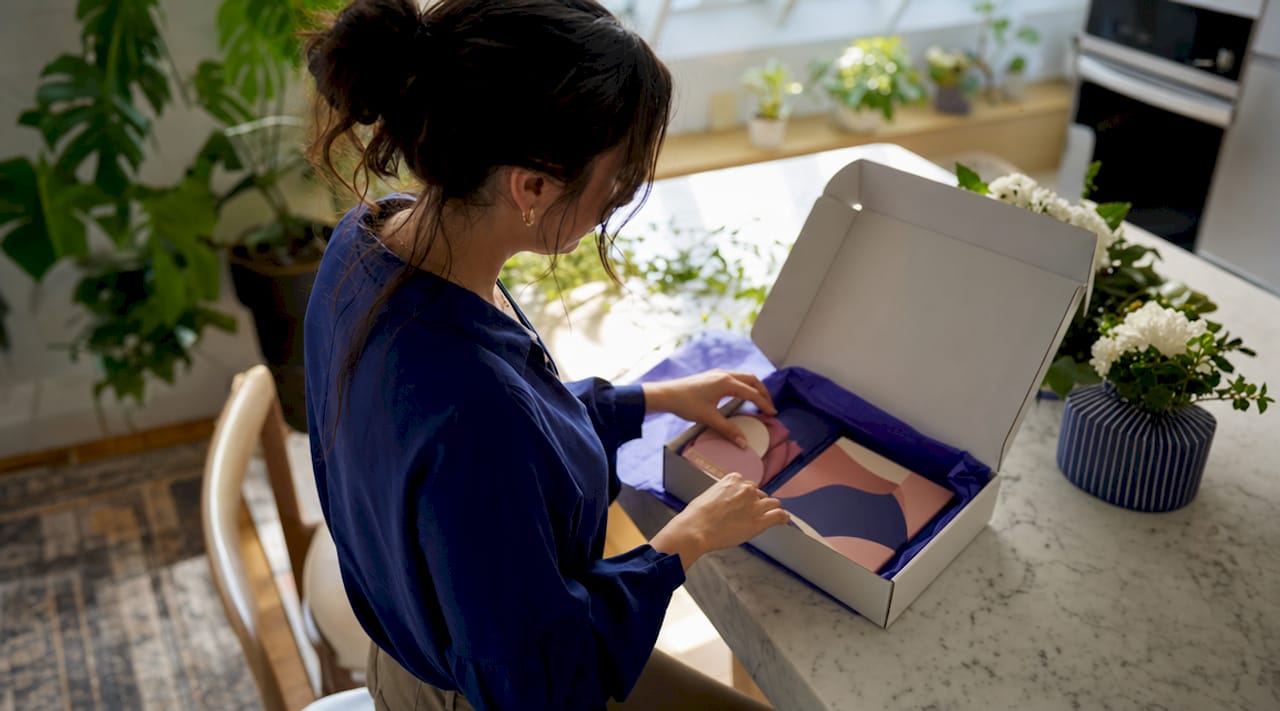
A PR box is a branded packaging experience designed not just for product delivery but to drive organic social sharing through compelling unboxing. The distinction matters because it changes how you budget and design every element inside the box. You are not shipping a product. You are producing a piece of content that the recipient will film, photograph, and post.
The structure of an effective physical press kit follows a clear hierarchy:
- Hero product: The visual and narrative centerpiece of the entire kit. According to Cubit Packaging, a well-chosen hero item drives social media content and serves as the visual anchor for influencer and media posts. Color, logo placement, and tactile quality all determine whether the hero item appears in the first frame of an unboxing video or gets set aside.
- Branded tissue paper and box liner: Low-cost but high-impact. Tissue paper printed with your brand pattern or color palette creates the first visual impression when the box opens. It signals intentionality before the recipient even sees the product.
- Personalized note card: A handwritten or printed card addressed to the specific journalist or creator increases the perceived value of the kit and encourages them to mention the brand by name in their content.
- Branded stickers: At $0.02 to $0.05 per unit, stickers are the most cost-efficient branded touchpoint in any physical kit. They travel beyond the unboxing moment onto laptops, notebooks, and water bottles, extending your brand’s physical footprint.
- NFC or AR triggers: At $0.15 to $0.50 per unit, NFC and AR triggers connect the physical kit to a digital experience, such as a product demo video or an exclusive press page, adding a layer of interactivity that generates additional content.
| Element | Cost per unit | Primary function |
|---|---|---|
| Branded stickers | $0.02–$0.05 | Repetition across multiple surfaces |
| Branded tissue paper | $0.10–$0.30 | First visual impression on unboxing |
| NFC/AR triggers | $0.15–$0.50 | Bridge to digital content |
| Branded merchandise | $3–$15 | Hero item, durable post-unboxing visibility |
Pro Tip: Film your own unboxing of the kit before sending it. If the reveal moment does not feel natural and visually compelling on camera, the recipient’s version will not either. Adjust the layering until the hero item is the last thing revealed.
How to balance cost and impact when selecting branded items
PR packages with branded merchandise can drive 2 to 4x organic reach amplification with an ROI benchmark of $5 to $15 per $100 spent. That benchmark is directional, not guaranteed, but it frames the right question: which items generate the most earned media surface area per dollar?
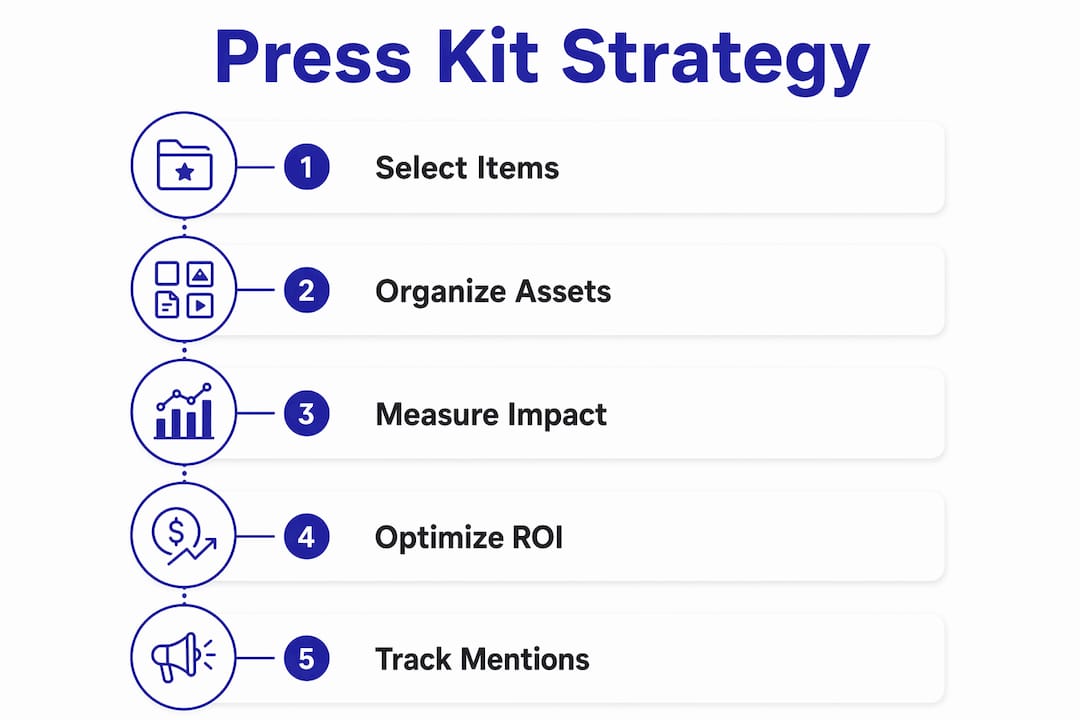
Low-cost branded items like stickers and tissue paper function as repetition drivers across multiple media surfaces. They appear in unboxing photos, background shots, and social posts long after the hero product has been reviewed. Higher-cost merchandise should be reserved for the hero item, where durable visibility justifies the unit cost.
The practical budget framework looks like this:
- Filler and atmosphere items (under $0.50 per unit): Tissue paper, stickers, ribbon, and branded tape. These create the unboxing experience without consuming significant budget.
- Mid-tier branded merchandise ($3 to $8 per unit): Branded notebooks, tote bags, or mugs. These items leave the unboxing space and enter the recipient’s daily life, generating repeated brand impressions.
- Hero items ($10 to $15 per unit and above): The product being launched or a premium branded item that anchors the entire kit. This is where logo placement, material quality, and design precision matter most.
Viewing branded merchandise as earned media generators rather than standalone deliverables changes how you evaluate cost. A $12 branded item that appears in 15 social posts and two editorial features has a very different cost-per-impression than the same item sitting in a drawer. The metric that matters is media usage, not unit cost.
Pro Tip: Track which items from your press kits appear in published media using Google Alerts set to your brand name plus the product name. This gives you real data on which branded items generate coverage, so you can refine future kit selections.
What are the best practices for press kit branding strategies?
Journalists spend an average of 2 to 4 minutes scanning press kits, prioritizing immediate access to publishable assets over elaborate design. That single data point is the most important constraint in press kit branding strategy. Every decision about asset organization, file naming, and physical kit layout should serve one goal: reducing the time between opening the kit and publishing the first piece of content.
For digital press kits, the priority order is clear. Place visual assets first, brand guidelines second, and company background last. A journalist on deadline will not read your founder’s bio before grabbing a product screenshot. Naming conventions matter too. Files named “BrandName_Logo_Primary_RGB.png” are immediately usable. Files named “final_v3_USE THIS.png” create doubt and delay.
Physical kits require a different kind of organization. The box should open cleanly on camera, with each layer revealing the next item in a logical sequence. Branded tissue paper on top, personalized note card visible immediately, hero product centered and supported so it does not shift during shipping. The importance of branding in press kits is most visible in physical kits because every surface, the box exterior, the liner, the filler, and the product itself, is a potential brand impression.
Treat branded items as media enablement tools, not decoration. A sticker sheet is not a gift. It is a brand distribution mechanism. A branded tote bag is not a freebie. It is a walking advertisement that the recipient chose to carry. When you design press kit elements with that framing, the selection criteria shift from “what looks nice” to “what generates the most media surface area.”
Pro Tip: Include a QR code on a small card inside every physical kit that links directly to your digital press kit. This connects the physical and digital experiences and gives journalists instant access to high-resolution assets without having to search for them.
Key takeaways
Branded items in press kits work best when they are organized for speed, selected for media surface area, and measured by actual asset downloads and earned media mentions rather than by how many items are included.
| Point | Details |
|---|---|
| Prioritize visual assets | Screenshots and logos drive 75 to 90% of journalist downloads; place them first in every digital kit. |
| Design physical kits for camera | Every layer of a PR box should reveal cleanly on video to maximize organic unboxing content. |
| Budget by media function | Reserve high-cost items for hero products; use low-cost items like stickers for repetition across surfaces. |
| Measure time-to-first-asset | Track how quickly journalists retrieve a publishable asset, not how many items you included. |
| Use branded items strategically | Treat every branded element as an earned media generator with a measurable cost-per-impression. |
Why most press kits get the branding order wrong
Most press kits I review spend the most budget on the box design and the least thought on what goes inside. The exterior looks polished. The interior is a product wrapped in generic tissue with a business card. That is the wrong priority order entirely.
The data from presskit.gg is unambiguous: journalists are in and out of a press kit in under four minutes. They are not admiring your packaging. They are looking for a usable screenshot or a correctly formatted logo. If those assets are buried three clicks deep in a Google Drive folder with no naming convention, the coverage does not happen. A competitor with a less beautiful kit but a well-organized asset folder gets the placement instead.
Physical kits have the opposite problem. PR teams often treat them as product shipments with some branded tissue added. The unboxing moment is an afterthought. But the brands that generate genuine organic reach from PR boxes, think Glossier, Fenty Beauty, or any DTC brand that has gone viral on TikTok, treat the box as a production. Every element is placed with the camera angle in mind.
My practical advice: measure your press kit’s performance by asset download statistics and earned media mentions, not by how much you spent on it. The best-performing press kits I have seen cost less than $20 per unit and generated coverage in publications with seven-figure readerships. The difference was always organization and intentionality, not budget.
— Jerry
Build press kits that journalists actually use
Discountswag supplies corporate promotional products designed to perform inside press kits and PR boxes, not just look good on a shelf. From branded stickers and tissue paper to premium hero merchandise, the catalog covers every tier of the budget framework described in this article. If you are building a press kit for a product launch, a media event, or an influencer seeding campaign, the right branded items make the difference between a kit that gets opened on camera and one that gets recycled. Browse the full range of branded promotional products at Discountswag to find items that fit your kit strategy and your budget. For guidance on selecting items that hold up under scrutiny, the quality selection guide is a practical starting point.
FAQ
What is the role of branded items in press kits?
Branded items in press kits give journalists and creators the visual assets and physical merchandise they need to produce accurate, on-brand coverage quickly. The most effective kits prioritize downloadable screenshots and logos for digital kits, and a hero branded product for physical PR boxes.
Which branded assets do journalists download most from press kits?
Screenshots account for 60 to 70% of asset downloads in digital press kits, followed by logos at 15 to 20%. Providing these assets in multiple formats with clear naming conventions reduces publication delays.
How much should you spend on branded items for a PR box?
Stickers and tissue paper cost $0.02 to $0.30 per unit and handle repetition across multiple surfaces. Hero merchandise typically runs $10 to $15 per unit and should anchor the kit as the primary visual and narrative centerpiece.
How do you measure the effectiveness of branded items in press kits?
Track asset download statistics, earned media mentions, and time-to-first-publishable-asset rather than counting the number of items included. PR packages with branded merchandise can deliver 2 to 4x organic reach amplification when the items are selected and presented strategically.
What makes a physical PR box generate organic social content?
A PR box generates organic content when the unboxing sequence is intentional, with each layer revealing the next item cleanly on camera, and the hero product is visually identifiable through color, logo placement, and material quality.
 Bottle Carriers
 Mugs
Mugs