

Branded Merchandise for Onboarding That Works


A new hire’s first delivery should answer a practical question before their first meeting: “Do I have what I need to get started?” Branded merchandise for onboarding can do exactly that when it is built around useful workday items, clear brand standards, and a delivery plan that reaches every employee on time. The goal is not to send a box full of logo items. It is to make the first days feel organized, welcoming, and ready for work.
For HR teams, people operations leaders, and procurement buyers, the best onboarding swag balances employee experience with budget discipline. A premium-looking kit does not need premium waste. Choose products people keep, control decoration and shipping costs early, and use a supplier that can manage one office delivery or hundreds of individual shipments.
Why Onboarding Merchandise Has a Business Job to Do
Onboarding is one of the few moments when every new employee is actively learning how your company operates. The supplies and merchandise they receive become part of that experience. A branded notebook used in training, a quality tumbler on a desk, or a dependable backpack for a hybrid commute keeps your company visible in a way a welcome email cannot.
Useful merchandise also reduces the scramble that can make a first week feel disjointed. If a new team member needs a notebook, a webcam cover, a charging cable, or a badge holder, including it in the kit is more helpful than asking them to source it themselves. For remote employees, the package can provide a physical connection to a company they may not visit in person for months.
That does not mean every organization needs an expensive gift box. A high-growth company hiring 200 entry-level employees may prioritize consistent, cost-effective kits. A consulting firm bringing on a small class of client-facing hires may choose fewer items with stronger name recognition. The right approach depends on hiring volume, role, location, and how long recipients are likely to use each item.
Build Branded Merchandise for Onboarding Around Use
Start with the employee’s actual first month, not a list of products that happen to be available. What will they carry, drink from, write in, wear, or use at their workstation? Those answers create a better kit and protect your spend.
The practical core kit
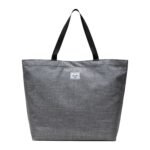
For many organizations, the most reliable foundation is a branded bag, drinkware, notebook, pen, and one technology accessory. A tote or backpack gives employees a way to carry equipment and makes the shipment itself more useful. Insulated tumblers and water bottles work across office, hybrid, and field teams. Notebooks and quality pens are simple, low-cost additions that still get regular use during training.
Technology accessories should solve a real problem. Think charging cables, wireless chargers, webcam covers, phone stands, or headphones for remote-heavy roles. Avoid adding gadgets just because they look modern. If the item is difficult to use, lacks broad compatibility, or feels disposable, it can weaken the kit instead of improving it.
Add apparel with a clear purpose
Branded apparel can create immediate belonging, especially for team events, retail locations, field staff, and companies with a strong internal culture. T-shirts, quarter-zips, caps, and lightweight jackets are popular choices, but sizing changes the fulfillment equation.
If you know each hire’s size before the order is produced, apparel can be a strong inclusion. If sizes are uncertain or hiring dates move often, consider one-size options such as caps or beanies, or reserve apparel for a later company event. Ordering apparel without a reliable size process can create leftover inventory and unnecessary expense.
Choose premium items selectively
Recognizable drinkware and higher-end gift sets can make sense for executive hires, sales teams, milestone onboarding cohorts, or client-facing roles. They can also support a more elevated employer brand. But premium products work best when the recipient will see their value and use them often.
For a large-scale program, a mixed strategy is often smarter. Keep a dependable core kit for every employee, then add a premium item for specific roles or anniversary milestones. This protects consistency without making every onboarding shipment cost the same.
Make the Kit Feel Like Your Brand
A logo alone does not make merchandise feel intentional. Color choice, decoration method, packaging, and item mix should match how your company presents itself. A financial services firm may favor understated colors, polished notebooks, and high-quality drinkware. A creative agency may use brighter colors, playful stickers, and apparel that employees will actually wear outside work.
Keep branding readable. A large logo on every item can feel repetitive, while subtle decoration often gives products a longer useful life. Consider using a primary logo on the bag or drinkware, then a smaller mark, tagline, or company color on supporting pieces. This gives the kit a coordinated look without turning every item into an advertisement.
Packaging matters most when employees receive individual shipments. A branded box, custom insert card, or thoughtful product arrangement can make a modest kit feel more complete. The message should be brief and specific. Welcome the employee, point them toward their first-day resources, and let the merchandise support the experience rather than carry all of it.
Plan Fulfillment Before You Choose Products
The biggest onboarding swag problem is rarely product selection. It is timing. New hires start on different dates, home addresses change, offices reopen, and managers may not submit information as early as expected. A good merchandise plan accounts for those realities before production begins.
For centralized onboarding, bulk delivery to one office is usually the most cost-effective option. It gives your team control over distribution and can reduce per-person shipping costs. It works well when new hires begin in cohorts and a local administrator can assemble or hand out kits.
For distributed teams, individual shipping is often worth the added cost. Employees receive the same experience whether they are in a headquarters city or working several states away. The key is maintaining clean recipient data, confirming address deadlines, and choosing items that fit safely and efficiently in a mail-ready box.
Build in lead time for artwork approval, production, receiving, and shipping. Rush orders are possible in some cases, but they can narrow product options and raise costs. If hiring is continuous, consider maintaining a small inventory of evergreen items such as notebooks, tumblers, and bags, then replenishing based on forecasted starts.
Control Cost Without Sending Cheap Swag
Budget pressure is normal in promotional purchasing. The answer is not automatically choosing the lowest-priced item. An item that breaks, leaks, or gets discarded immediately costs more than its invoice price because it reflects poorly on your company.
Instead, focus on value per use. A well-made water bottle used three times a week for a year delivers more brand exposure and employee value than several throwaway items. Request product details, confirm decoration locations, and compare total landed cost rather than unit price alone. Setup charges, shipping, kitting, and individual address fulfillment can change the final number quickly.
Consolidating categories with one supplier can also simplify purchasing. Rather than coordinating a bag vendor, apparel vendor, drinkware vendor, and fulfillment partner separately, work with a source that can curate the kit, apply consistent branding, and manage distribution. Discount Swag helps buyers compare options across categories while protecting the budget with a price-beat commitment and practical shipping support.
Measure What Employees Actually Keep
You do not need a complicated measurement program to improve onboarding merchandise. Ask a short question in your new-hire survey: Which item did you use most, and what would you swap out next time? Patterns appear quickly. If nearly everyone mentions the tumbler and nobody mentions the stress ball, move the budget accordingly.
Track operational results as well. Look at on-time delivery rates, address correction volume, damaged-item reports, and unused inventory. These details help HR and procurement make smarter decisions for the next hiring class. A kit that employees enjoy but arrives two weeks late still needs a better process.
Avoid changing every item every quarter unless the program needs a refresh. Consistent core products make reordering faster, simplify brand approvals, and can support better volume pricing. Refresh an accent item, seasonal apparel, or the welcome card when you want variety without rebuilding the entire program.
A strong onboarding kit makes a new employee’s first day easier, not louder. Choose merchandise that earns a place in their work routine, plan delivery around how your team actually hires, and spend where quality will be noticed. That is how welcome swag becomes a dependable part of employee experience instead of another box of forgotten promotional products.
 Bottle Carriers
 Mugs
Mugs