

Examples of Logo Merchandise That Actually Build Your Brand

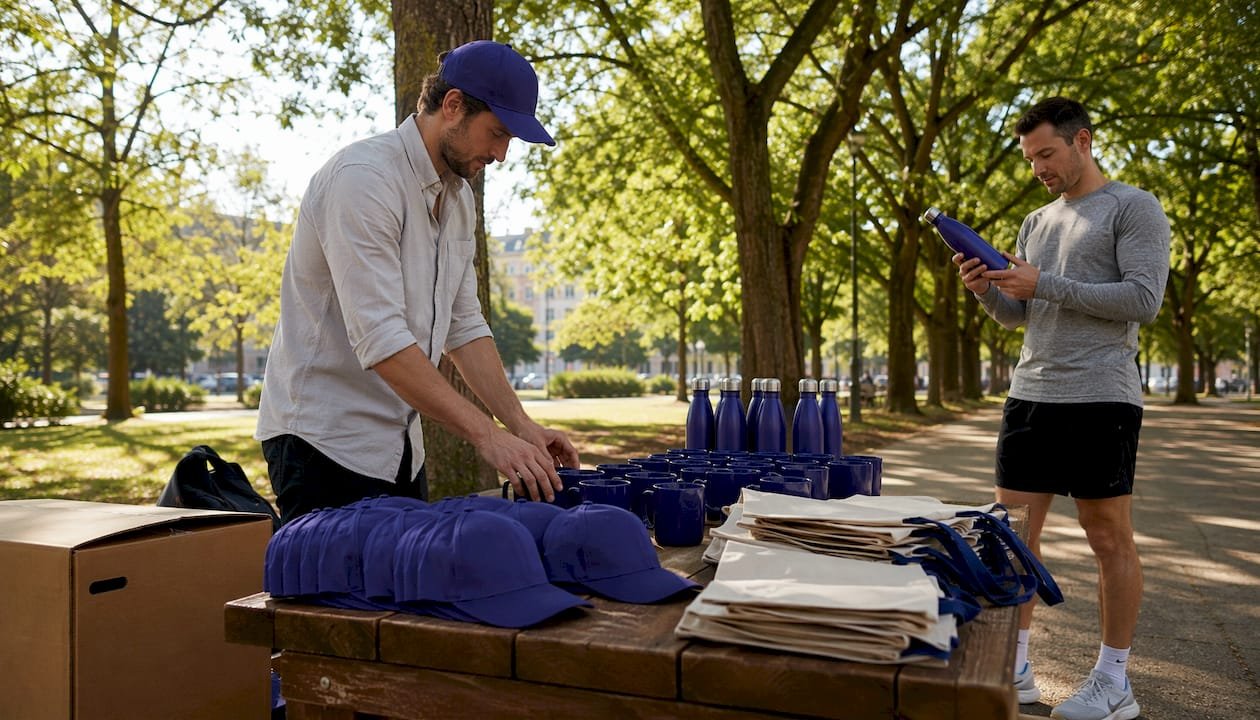
The strongest examples of logo merchandise share one trait: people use them every day without thinking about it. T-shirts, mugs, tote bags, hoodies, pens, notebooks, phone cases, and stickers are the workhorses of branded promotion because they earn their place in someone’s routine. Each one carries your logo into spaces no ad can reach.
Here is a quick look at the most widely used categories:
- Apparel: T-shirts, hoodies, and hats are the most visible logo merchandise because recipients wear them in public, turning every outing into a brand impression
- Drinkware: Mugs and insulated water bottles deliver daily brand exposure with every sip, at the office or on the go
- Bags: Tote bags and backpacks act as mobile billboards, carrying your logo through airports, gyms, and grocery stores
- Stationery: Branded pens and notebooks are conference staples that stay on desks for months
- Tech accessories: Phone cases, USB drives, and wireless chargers appeal to a broad professional audience and signal a forward-thinking brand
- Stickers: Low cost, high visibility, and endlessly versatile for packaging, laptops, and water bottles
These items work across events, trade show giveaways, employee welcome kits, and customer loyalty programs. The reason they dominate is simple: utility drives retention. A recipient who uses your branded mug every morning sees your logo more often than they see most paid ads.
Table of Contents
- What are the most popular categories of logo merchandise?
- Creative logo merchandise ideas that make your brand memorable
- How do you choose logo merchandise that fits your brand and budget?
- Discountswag makes it easier to get logo merchandise right
- Key Takeaways
What are the most popular categories of logo merchandise?
Logo merchandise falls into a handful of categories that consistently outperform the rest, and understanding each one helps you match the right product to the right moment.
Apparel
Branded apparel is the category with the highest public visibility. T-shirts are the entry point, but hoodies and quarter-zips have become the preferred choice for tech companies and agencies because they read as premium without a premium price tag. Hats, particularly structured snapbacks and dad caps, are popular at outdoor events and sports sponsorships. Embroidered logos on apparel tend to look sharper and last longer than screen-printed ones, especially on fleece and knit fabrics.
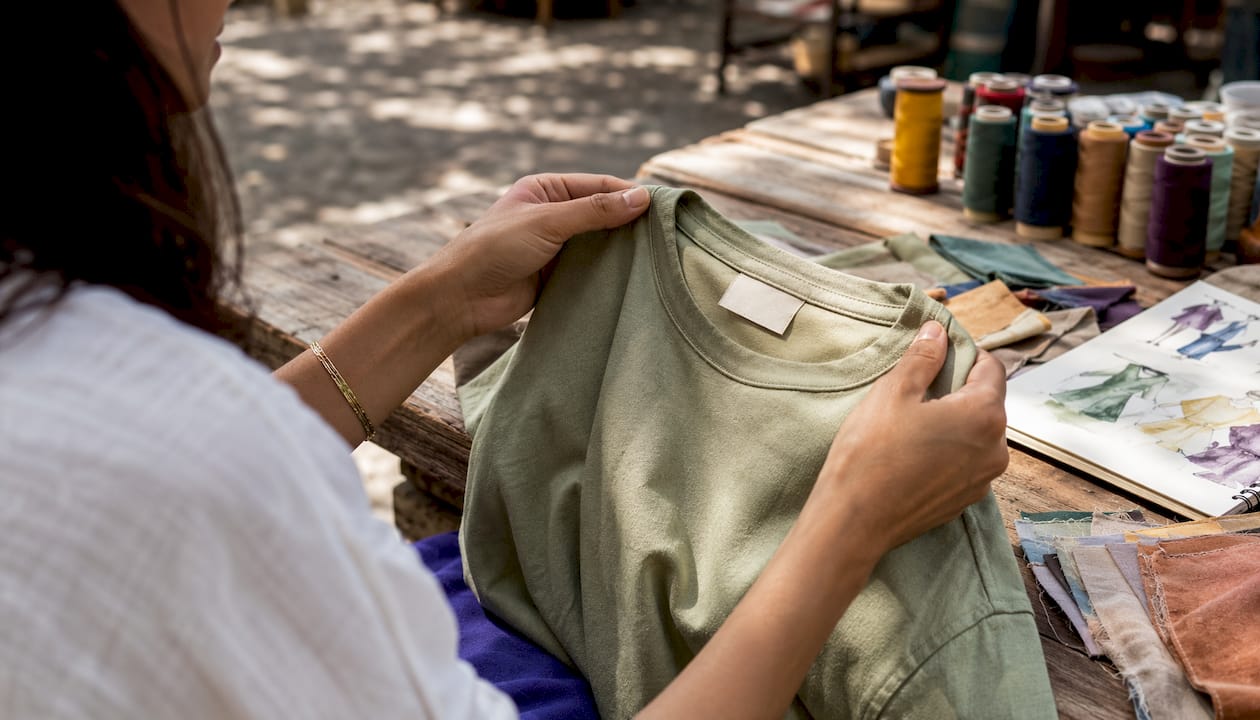
Within apparel, fit and fabric quality matter more than most marketers expect. A stiff, boxy t-shirt gets worn once and donated. A well-cut, soft-blend tee gets worn on weekends. That difference determines how many impressions your logo actually earns.
Drinkware
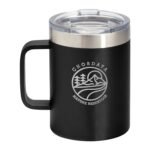
Mugs and water bottles are perennial top performers because they are used daily. A ceramic mug stays on a desk; a stainless steel tumbler goes everywhere. Drinkware’s constant utility means your logo gets seen repeatedly by the user and everyone around them. Insulated bottles have surged in popularity as sustainability-conscious consumers replace single-use cups, making them a natural fit for brands that want to signal environmental responsibility.

Bags
Tote bags are one of the most cost-effective logo merchandise options available. They are reusable, practical, and visible in public spaces where other branded items never appear. Backpacks and laptop bags skew toward a professional or student audience and carry a higher perceived value, which makes them effective for VIP giveaways or employee gifts. Bags increase brand exposure in ways that desk items simply cannot match.
Stationery and notebooks
Branded pens are the oldest promotional product in the book, and they still work. A quality metal pen with a clean logo engraving feels like a gift rather than a throwaway. Notebooks, especially hardcover ones with lay-flat binding, are popular at conferences and onboarding kits. Pairing a pen and notebook as a set raises the perceived value of both items.
Tech accessories
Phone chargers, wireless earbuds, USB hubs, and cable organizers appeal to a professional audience that spends most of its day at a screen. These items carry a higher unit cost, but they also carry a higher perceived value. Tech promotional items are particularly effective at trade shows, where standing out from a sea of pens and tote bags matters.
Pro Tip: Printing methods and material selection directly affect how your logo reads on the final product. Screen printing works well on flat fabric surfaces; embroidery adds texture and durability on caps and fleece. Always request a physical sample before committing to a large run, and confirm Pantone color matching to keep your brand colors consistent across every item.
Creative logo merchandise ideas that make your brand memorable
The standard categories cover most use cases, but the brands people actually talk about tend to go one step further. Creative and niche merchandise like embroidered hats, performance socks, custom blankets, puzzles, and even vinyl records can create a deeper emotional connection with fans and customers than a generic pen ever will.
The logic is straightforward: when a product surprises someone, they remember it. And when they remember the product, they remember the brand.
Standout ideas worth considering
- Performance socks: Branded athletic socks have become a cult item in the tech and startup world. They are affordable, universally sized, and people actually wear them.
- Custom blankets: A logo blanket sent to a remote employee or a top client lands differently than a mug. It signals that you put thought into the gift.
- Embroidered patches: Patches can be applied to jackets, bags, or hats and have a handcrafted feel that resonates with creative and outdoor brands.
- Branded puzzles: A 500-piece puzzle with a custom illustration of your brand world is the kind of thing people photograph and share on social media.
- Vinyl records: For music-adjacent brands or entertainment companies, a branded record with original content is a collectible, not a giveaway.
- Enamel pins: Small, inexpensive, and highly collectible. Tech conferences and gaming brands have used them to build communities around limited-edition designs.
Here is a simple framework for deciding when to go creative versus conventional:
- Define the recipient relationship. A trade show attendee you have never met needs something practical. A loyal customer or top client deserves something memorable.
- Match the item to your brand personality. An outdoor gear company giving away enamel pins of trail maps makes sense. A law firm doing the same does not.
- Consider the occasion. Product launches, anniversaries, and milestone campaigns are natural moments for limited-edition or collectible merchandise.
- Think about shareability. Items that photograph well and feel special are more likely to appear on social media, extending your reach beyond the original recipient.
Branded merchandise sold to fans should lean toward fashionable, design-forward items. Giveaways at events should prioritize immediate, practical utility. The distinction shapes every creative decision you make.
How do you choose logo merchandise that fits your brand and budget?
Selecting the right branded merchandise is less about picking the most popular item and more about matching the product to your brand values, your audience, and your goals. Aligning merchandise with brand personality and marketing objectives drives long-term engagement rather than just temporary exposure.
The most common mistake is buying cheap. A flimsy pen or a thin t-shirt does not just fail to impress; it actively signals that your brand cuts corners. Higher-quality, durable merchandise creates aspirational connections and extends the life of the item, which means more impressions per dollar spent.
A practical checklist for selecting logo merchandise
- Audience first. Who is receiving this? A college student at a campus event has different needs than a C-suite executive at a client dinner.
- Usage frequency. Items used daily (drinkware, bags, tech accessories) generate far more brand impressions than items used occasionally (keychains, magnets).
- Quality threshold. Set a minimum quality standard before you set a budget. Cheap merchandise can hurt brand perception more than no merchandise at all.
- Brand alignment. Does the product reflect what your brand stands for? A wellness brand giving away fast-food-style plastic cups sends a mixed message.
- Practicality. Utility items as giveaways increase marketing impact because recipients keep and use them rather than discarding them.
- Print and material quality. Brand consistency across merchandise requires careful attention to printing methods, color matching, and material selection.
Pro Tip: Merge your merchandise design with your brand story. If your company was founded around a specific mission or moment, build that into the product concept. A custom illustration, a founding-year detail, or a tagline stamped on the inside of a hat creates a conversation piece that a plain logo never will.
Budget and cost considerations
Cost per unit drops significantly at scale. Bulk orders at higher quantities typically unlock volume discounts, making quality merchandise more accessible for smaller organizations than most assume. The math usually favors fewer, better items over a large quantity of cheap ones. A hundred people who love your hoodie will do more for your brand than a thousand people who threw away your pen.
When planning a merchandise budget, think in terms of cost per impression rather than cost per unit. A $25 insulated tumbler used daily for two years generates thousands of brand impressions. A $1 pen used for a week generates far fewer, and often ends up in a drawer or a trash can.
For events specifically, conference giveaway items and trade show giveaways have their own calculus: visibility and portability matter most because attendees are carrying everything they collect throughout the day. A lightweight tote bag that holds all their other swag is more valuable than almost anything else you could hand them.
Discountswag makes it easier to get logo merchandise right
Getting logo merchandise right means more than picking a product and uploading a logo file. It means finding a distributor who understands brand consistency, can handle volume without cutting corners on quality, and actually helps you think through the decision.
Discountswag is a corporate promotional products distributor built for marketers and business owners who want merchandise that works. Whether you need branded merchandise for brand awareness at a major event or a curated set of items for a client gift program, Discountswag handles the sourcing, printing, and fulfillment with the kind of attention to detail that keeps logos sharp and colors consistent. The catalog covers everything from apparel and drinkware to tech accessories and custom gift sets, with bulk pricing that makes quality accessible at almost any scale. Get a quote from Discountswag today and see how straightforward the right merchandise decision can be.
Key Takeaways
The most effective logo merchandise combines daily utility with genuine quality, giving your brand consistent exposure without the diminishing returns of cheap giveaways.
| Point | Details |
|---|---|
| Top product categories | Apparel, drinkware, bags, stationery, and tech accessories consistently deliver the highest brand exposure. |
| Creative items build loyalty | Niche merchandise like performance socks, custom blankets, and enamel pins creates emotional connections that standard giveaways rarely achieve. |
| Quality over quantity | Bulk orders of 25 or more units unlock volume discounts, but fewer high-quality items outperform large quantities of cheap ones for brand perception. |
| Brand alignment is the filter | Every merchandise decision should pass a simple test: does this product reflect what your brand actually stands for? |
| Discountswag | Discountswag sources, prints, and fulfills corporate promotional products with brand consistency and bulk pricing for U.S. marketers. |
 Bottle Carriers
 Mugs
Mugs