

Bulk Promotional Products Guide for Buyers

A rushed swag order usually gets expensive fast. You either pay more to hit a deadline, settle for products that do not match your brand, or end up with leftover inventory nobody wants. This bulk promotional products guide is built for buyers who need to control cost, protect quality, and get branded merchandise delivered without added friction.
What a bulk promotional products guide should help you solve
Buying in volume is not just about getting a lower unit price. It is about making better decisions before the order is placed. Business buyers usually balance a few pressures at once – budget limits, event dates, stakeholder approvals, brand standards, and shipping logistics. If one of those pieces is missed, the order can become harder to manage than it should be.
That is why bulk buying works best when the product, decoration method, quantity, and delivery plan are treated as one decision. A low-cost item is not always the lowest-cost order if it requires rush production, split shipping, or frequent reorders. The smart move is to look at total order efficiency, not just the line-item price.
Start with the use case, not the product
The fastest way to overspend is to browse by item type before defining the purpose of the order. A trade show giveaway has a very different job than an employee onboarding kit or a client appreciation gift. When buyers get clear on use case first, product selection gets easier and approval cycles tend to move faster.
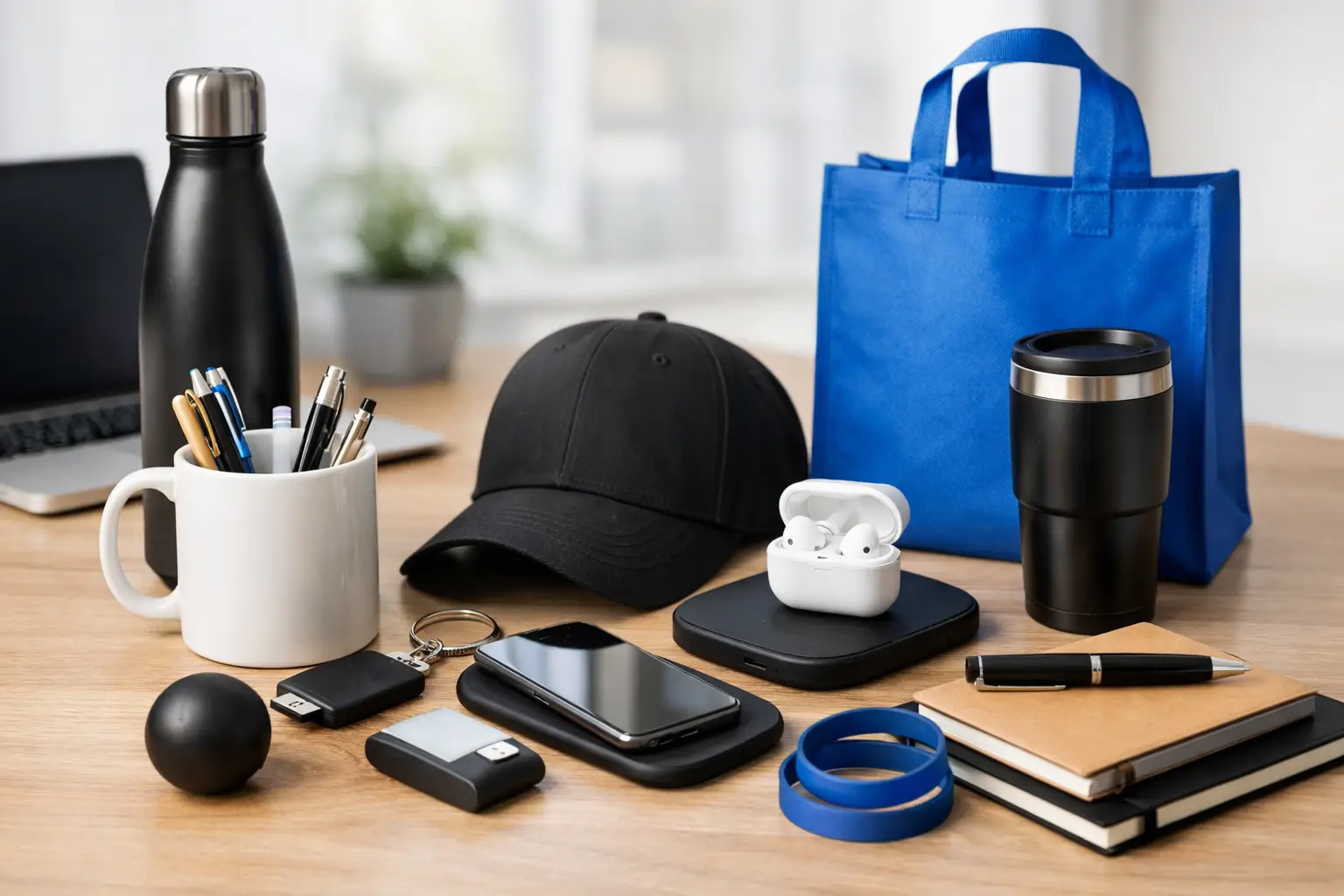
For high-volume event handouts, practical and lightweight products usually win. Think drinkware, tote bags, pens, tech accessories, or office items that are easy to distribute and simple to brand. For employee gifting, perceived value matters more. Apparel, premium drinkware, gift sets, and wellness items tend to perform better because they feel intentional instead of disposable.
For remote teams or multi-office programs, the shipping model should shape the product mix. A bulky product may look affordable on paper but become costly once individual addresses are involved. Compact, durable items often deliver better value when orders are going to many locations.
How to choose the right products in bulk
A good bulk promotional products guide should make one thing clear: the best item is the one your audience will keep. Retention matters because branded merchandise only works when it stays in use. That is where category choice becomes a business decision, not just a branding one.
Drinkware stays strong because it combines visibility with daily use. Bags are effective because they travel. Apparel can deliver high perceived value, but sizing complexity makes planning more important. Tech accessories are useful, though quality matters more here than in some lower-risk categories. Office supplies work well for cost-conscious campaigns, while gift sets make sense when you need stronger presentation for executives, clients, or employee milestones.
There is always a trade-off. Lower-cost items can help stretch reach, but premium items often improve usage and brand perception. The right answer depends on whether your goal is broad exposure, internal engagement, lead generation, or relationship building.
Quantity planning is where savings are won or lost
Bulk pricing gets attention for a reason, but ordering more is not automatically smarter. The real question is whether your quantity aligns with demand, storage capacity, and campaign timing. Overstock ties up budget. Under-ordering can force a second run at a worse price.
If the product is evergreen, such as core branded pens, mugs, notebooks, or bags, larger quantities can make sense. If the item is event-specific, seasonal, or tied to a short campaign window, it is usually better to order closer to true need. Buyers should also account for spoilage, replacements, VIP use, and late additions without inflating the order too far.
The most efficient bulk orders typically come from realistic forecasting. Past event attendance, employee headcount, sales team needs, and onboarding volume can all help define a cleaner number. A small buffer is smart. A guess is expensive.
Decoration method affects cost, look, and speed
Many buyers focus on the product and treat decoration like a final step. That can lead to pricing surprises or branding compromises. The imprint method changes how the logo looks, how durable it is, and how much the order costs.
Screen printing is often a strong value choice for apparel and some bags at higher quantities. Embroidery adds a more premium feel, especially on polos, jackets, hats, and backpacks, but it can raise costs. Laser engraving works well for drinkware and metal products when a cleaner finish is preferred. Full-color printing can be ideal for logos with gradients or more detailed artwork, though not every product is the right fit.
This is one of those areas where cheapest is not always best. If brand presentation matters, especially for client-facing gifts or executive distribution, the decoration method should support that goal. If the order is built for event reach and cost efficiency, a simpler imprint can be the smarter move.
Bulk promotional products guide to budgeting the full order
A reliable budget covers more than unit price. Setup charges, decoration costs, shipping, kitting, address distribution, and rush services can all shift the total. Buyers who compare vendors on item cost alone often miss the real spend.
A better approach is to build the budget around delivered cost. That means looking at what the full program will cost once the products are branded, packed, and shipped where they need to go. This matters even more for national rollouts, field teams, and remote employee kits where freight and handling can vary widely.
Price leadership matters in this category because margins disappear quickly when quantity climbs. That is why experienced buyers push hard on quote comparisons and total landed cost. A price-beat model can make a measurable difference at volume, especially for recurring orders or larger employee and event programs.
Quality control matters more in volume orders
A single flawed sample is frustrating. A thousand flawed units is a budget problem. That is why supplier quality, decoration consistency, and product reliability matter just as much as price. Low pricing only helps if the product reflects well on your brand when it arrives.
Trusted suppliers reduce risk, especially in categories like apparel, drinkware, and tech accessories where finish and function are more visible. Brand-name merchandise can be a strong option when you want built-in credibility and a higher perceived value. It costs more, but for client gifting, employee recognition, or leadership programs, that premium can be justified.
The decision comes down to audience and purpose. For broad giveaways, value-focused products from dependable suppliers are often the best fit. For higher-stakes distribution, quality should lead.
Shipping and distribution can make or break the program
A central office delivery is one thing. Shipping hundreds of kits to individual recipients is another. Bulk buyers need a partner that can handle both without turning fulfillment into a second project.
Single-destination shipments are usually more straightforward and cost-efficient, but many organizations now need multi-location support for remote employees, national sales teams, franchise groups, and field events. In those cases, address management, packing accuracy, and timeline control become critical.
Custom branded boxes are especially useful for onboarding, recognition, and remote engagement because they create a more complete experience. But they also require tighter coordination. Product dimensions, packaging choices, and delivery schedules all affect final cost and execution. Planning that upfront is what keeps the program on time.
Common buying mistakes to avoid
Most expensive swag problems start early. One common mistake is choosing products based on internal preference instead of audience usefulness. Another is waiting too long and paying for rush production. Buyers also run into trouble when they approve an item before checking shipping impact, decoration limits, or inventory availability.
There is also a tendency to chase the absolute lowest price without looking at consistency. That can backfire if the imprint is weak, the material feels cheap, or the delivery misses the event date. A dependable order is usually worth more than a slightly lower quote that creates risk.
How experienced buyers simplify the process
The most effective procurement teams do a few things well. They define the use case early, set a real delivered budget, narrow products by audience fit, and confirm timelines before final approval. They also work with vendors that can support category breadth, competitive pricing, and flexible shipping instead of managing multiple suppliers for one campaign.
That is where a value-driven partner can save more than money. It can save time, reduce back-and-forth, and make repeat orders easier to scale. For organizations buying across events, employee programs, and client gifting, that operational simplicity matters. Discount Swag is built for exactly that kind of buyer – one source, aggressive pricing, dependable product options, and practical fulfillment support.
The best bulk orders feel easy after the fact because the hard decisions were handled early. If you start with purpose, budget around delivered cost, and choose products people will actually keep, bulk promotional products stop being a sourcing headache and start doing their job.
 Bottle Carriers
 Mugs
Mugs