

What Is a Limited Edition Promotional Item?

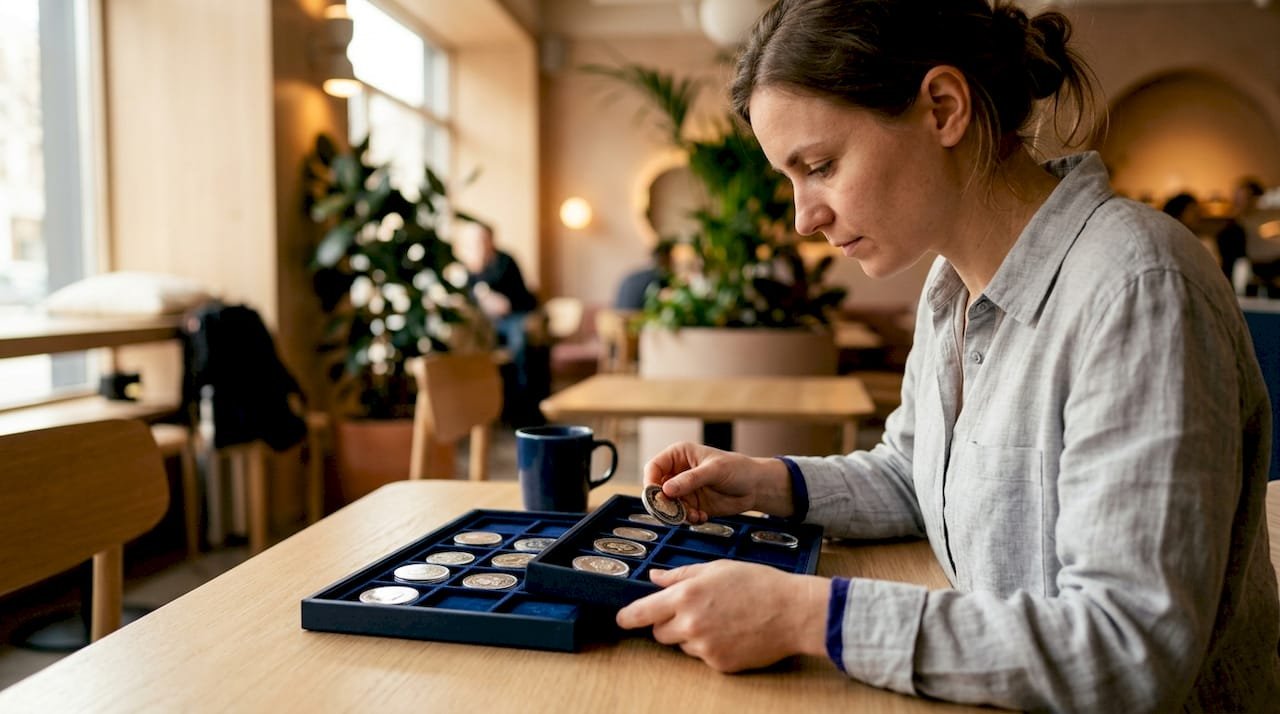
A limited edition promotional item is a branded product produced in restricted quantities or available for a strictly defined time window to create artificial scarcity and heightened brand appeal. Unlike standard bulk promotional merchandise ordered in volumes of 50 to 10,000+ units, limited edition products carry fixed, smaller runs that make each piece feel genuinely rare. The global promotional products industry is valued at over $25 billion annually, spanning thousands of categories from pens and drinkware to tech accessories and apparel. Within that market, limited edition releases occupy a distinct tier. They are not just giveaways. They are brand experiences designed to generate excitement, loyalty, and conversation.
What is a limited edition promotional item vs. a standard promo product?
A limited edition promotional item differs from a standard promotional product in three concrete ways: quantity cap, design specificity, and perceived value. Standard bulk items are produced in large, repeatable runs with minimal variation. Limited editions are produced once, in a fixed number, often with unique design elements, special packaging, or serialized numbering that signals exclusivity.
Artificial scarcity is the core marketing mechanism. When recipients know only 200 units of a custom coin exist, the item carries weight that a box of 5,000 generic pens never will. That weight translates directly into brand recall and social sharing.
The table below shows how the two categories compare across the metrics that matter most to brand managers.
| Feature | Standard promotional item | Limited edition promotional item |
|---|---|---|
| Order quantity | 50–10,000+ units | Fixed small run, often under 500 |
| Production time | Standard lead time | 2–4 weeks longer due to custom work |
| Perceived value | Functional, transactional | Collectible, prestige |
| Typical use case | Trade shows, mass giveaways | Milestones, VIP rewards, launches |
| Per-unit cost | Lower | Higher due to small quantity |
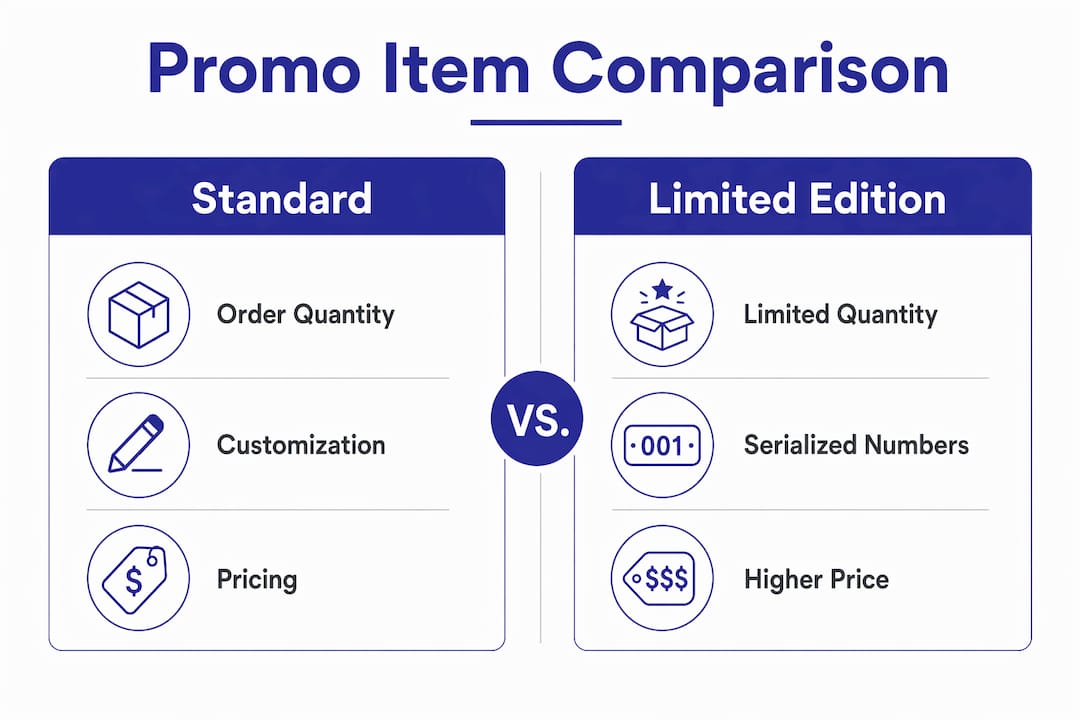
Pro Tip: Serialized numbering, such as “47 of 200” printed or engraved on each item, costs very little to add but dramatically increases the collectible appeal of any limited run.
Why do limited edition items drive stronger brand engagement?
Limited edition items drive stronger engagement because they activate the scarcity principle, a well-documented consumer behavior pattern where people assign higher value to things that are harder to obtain. Consumers assign higher value to scarce items, and numbered collectibles give recipients both exclusivity and a social sharing incentive. That combination is rare in promotional merchandise.
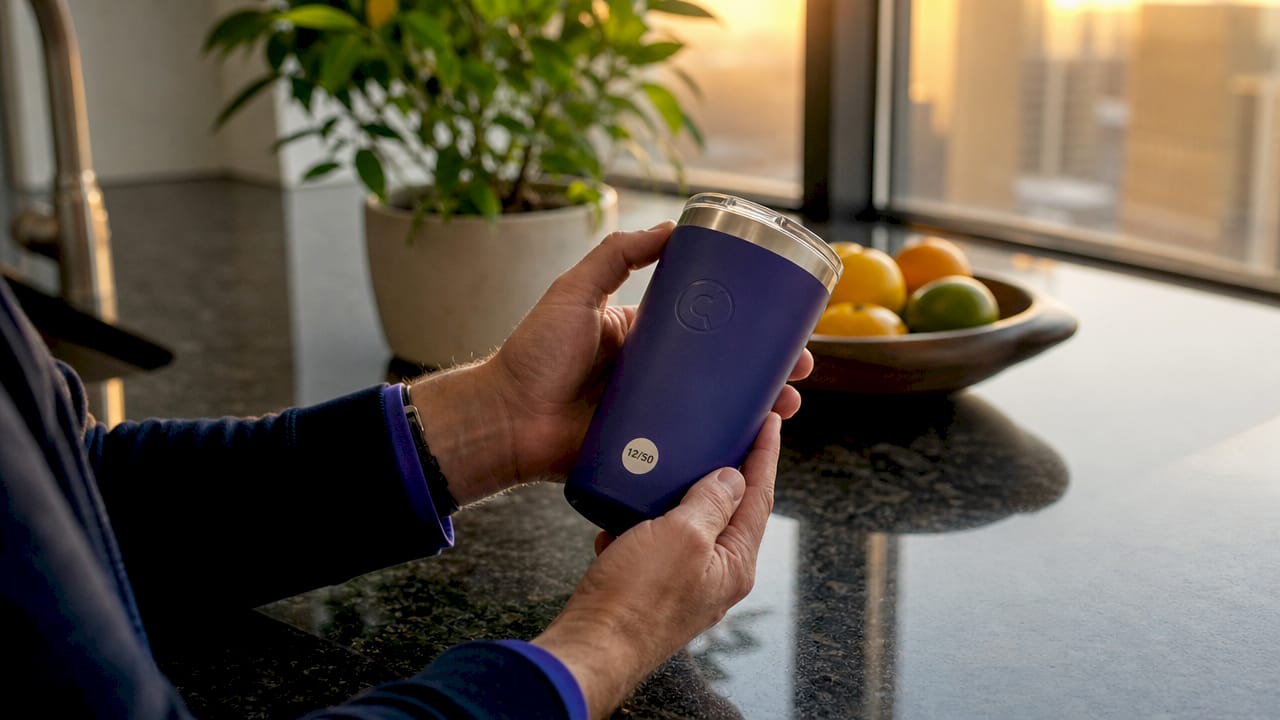
The collectible nature of limited editions also encourages repeat engagement. A recipient who receives a serialized item tied to a brand milestone does not throw it in a drawer. They display it, photograph it, and talk about it. That behavior extends the campaign’s reach far beyond the original distribution.
The Advertising Specialty Institute notes that strategic branded merchandise includes limited-run collaborative designs that reflect brand identity and values, distinguishing them from transactional promotional products by higher brand alignment and quality. That distinction matters because it positions limited editions as brand investments, not expenses.
The direct marketing benefits of limited edition releases include:
- Organic social sharing: Consumers share exclusive finds on social media, creating word-of-mouth reach that paid digital promotions cannot replicate.
- Brand prestige: Scarcity signals quality, which elevates how recipients perceive the brand overall.
- Customer loyalty: Exclusive items reward high-value customers in a tangible, memorable way.
- Campaign longevity: Collectible items stay in use and in sight long after a campaign ends.
- Storytelling power: Limited editions tied to milestones or collaborations give the brand a narrative to share across channels.
“Limited edition promotions serve as storytelling tools that commemorate milestones and reward loyal customers, enriching brand narratives in ways standard merchandise cannot match.”
What are the most effective types of limited edition promotional items?
Typical limited edition promotional items include custom coins, drinkware, apparel, tech gadgets, pens, and notebooks. Each category adapts well to limited runs because each carries a natural collectible quality when produced with premium materials and distinctive design.
The most successful limited edition runs share one trait: they connect to a specific moment. A company anniversary, a product launch, a partnership, a seasonal campaign. That connection gives the item a story, and the story is what makes recipients keep it.
| Product category | Typical limited run size | Common branding technique |
|---|---|---|
| Custom coins | 100–500 units | Die casting, enamel fill |
| Drinkware (tumblers, mugs) | 50–300 units | Laser engraving, UV printing |
| Apparel | 50–250 units | Embroidery, screen printing |
| Tech gadgets | 50–200 units | Pad printing, laser etching |
| Pens and notebooks | 100–500 units | Foil stamping, custom packaging |
Drinkware deserves special attention. Tumblers and insulated mugs already carry high perceived utility. When produced as a limited edition with a serialized design, they become desk-worthy objects that recipients use daily, keeping the brand visible for months.
The types of branded promotional products available for limited runs are broader than most brand managers realize. Tech accessories, custom journals, and premium apparel all translate well into collectible formats when paired with the right design and packaging.
How do you plan the production of a limited edition promotional item?
Production planning is where most limited edition campaigns succeed or fail. Production timelines often extend 2–4 weeks longer than for standard bulk items because of custom packaging, serialization, and additional quality control steps. Starting late is the single most common mistake.
Here is a practical production sequence for brand managers launching a limited edition run:
- Define the concept and quantity. Fix the run size before anything else. Changing quantities mid-production disrupts serialization and packaging.
- Select your decoration method. Decoration methods for limited edition items include pad printing, laser engraving, embroidery, and UV direct printing. Each method affects both timeline and perceived quality.
- Brief your vendor early. Share the full creative brief, including serialization requirements and packaging specs, at the first contact. Surprises late in production cause delays.
- Build in quality control time. Limited editions require inspection at a higher standard than bulk items. Budget at least one week for QA review and corrections.
- Plan your distribution logistics. Small, fixed-quantity runs often go to specific recipients. Confirm the distribution list and delivery method before production begins.
Smaller orders and unique production requirements typically increase per-unit costs substantially. That cost increase is real, but it reflects the higher value the item delivers. Budget accordingly and treat the per-unit cost as a premium brand investment, not an inefficiency.
Pro Tip: Request a physical pre-production sample before approving the full run. For limited editions, there is no opportunity to reorder and correct errors after distribution.
How do you integrate limited edition items into a broader marketing strategy?
Limited edition items work best when they are planned as campaign anchors, not afterthoughts. Items are most effective when celebrating milestones, collaborations, or rewarding high-value customers, because those contexts give the item a clear story that recipients can retell.
Timing is the most underrated variable. Releasing a limited edition item six weeks before a major event builds anticipation. Releasing it at the event creates a moment. Releasing it after the event misses both opportunities.
Practical integration strategies for brand managers include:
- Milestone campaigns: Use limited editions to mark company anniversaries, product launches, or award recognitions. The item becomes a physical record of the achievement.
- VIP and loyalty rewards: Distribute limited editions exclusively to top-tier customers or partners. Exclusivity reinforces the relationship.
- Event activations: Release a limited run tied to a conference or trade show. Attendees who receive one become brand ambassadors on the show floor.
- Social media amplification: Announce the limited run publicly before distribution. Scarcity drives engagement even among people who do not receive the item.
- Digital integration: Pair the physical item with a digital experience, such as a QR code linking to exclusive content, to extend the campaign’s reach.
Pro Tip: Photograph the item professionally before distribution and share the imagery across LinkedIn and Instagram. The visual content generates engagement from your broader audience, not just the recipients.
The role of branded merchandise in brand engagement is well established. Limited editions amplify that role by adding scarcity, story, and social currency to the standard benefits of branded merchandise. The industry is shifting from transactional promo products toward strategic branded merchandise that emphasizes quality, brand identity, and limited runs. Brand managers who adopt that shift early gain a measurable advantage in brand recall and customer loyalty.
Key Takeaways
Limited edition promotional items create brand value that standard bulk merchandise cannot match because scarcity, story, and collectibility work together to drive engagement, loyalty, and organic reach.
| Point | Details |
|---|---|
| Definition clarity | Limited editions are branded items produced in fixed small quantities or for a set time window to create exclusivity. |
| Scarcity drives value | Consumers assign higher value to scarce items, making limited editions more memorable than standard giveaways. |
| Production requires early planning | Timelines run 2–4 weeks longer than bulk orders; start vendor conversations before the campaign brief is finalized. |
| Align items with brand moments | Milestones, launches, and VIP rewards give limited editions a story that recipients share and remember. |
| Cost reflects investment | Higher per-unit costs are offset by stronger brand recall, social sharing, and customer loyalty outcomes. |
Why limited editions are worth the extra effort
The first time I saw a serialized promotional item done right, it was a custom enamel coin produced for a company’s 25th anniversary. Only 150 were made. Recipients kept them on their desks for years. That is not something a box of branded pens achieves.
The challenge I see most often is brands treating limited editions as a production problem rather than a storytelling opportunity. They focus on the logistics and lose sight of the narrative. The logistics matter, but the story is what makes the item worth keeping. If the design does not connect to something real about the brand, the scarcity feels manufactured and recipients sense it.
My strongest advice is to start vendor conversations earlier than feels necessary. The brands that execute limited edition campaigns well are the ones that brief their suppliers six to eight weeks before the distribution date, not two. That buffer absorbs the inevitable revisions, quality checks, and packaging adjustments without derailing the campaign timeline.
The other lesson I would share is this: do not underestimate digital amplification. A well-photographed limited edition item posted on LinkedIn before distribution generates more brand conversation than the item itself sometimes does. The scarcity creates desire even in people who will never hold the product. That is a marketing outcome worth planning for deliberately.
— Jerry
Discountswag’s approach to limited edition promotional merchandise
Brand managers planning a limited edition campaign need a distributor that understands both the creative and logistical demands of small-run, high-impact merchandise.
Discountswag specializes in branded promotional products across the full range of categories that work best as limited editions, including drinkware, tech accessories, custom coins, and premium apparel. The catalog covers decoration methods from laser engraving to embroidery, with guidance on minimum order quantities and production timelines built into every project. For brand managers ready to move beyond bulk giveaways, Discountswag offers the product range and planning support to make a limited edition campaign land the way it should. Explore the full product catalog to find the right format for your next campaign.
FAQ
What is a limited edition promotional item?
A limited edition promotional item is a branded product produced in a fixed, restricted quantity or available for a set time period to create exclusivity and higher perceived value. It differs from standard promotional merchandise by its scarcity, unique design, and collectible nature.
How small does a run need to be to qualify as limited edition?
There is no universal threshold, but runs under 500 units are generally considered limited edition in the promotional products industry. The key factor is that the quantity is fixed and communicated to recipients.
Why do limited edition promotional items cost more per unit?
Smaller orders and unique production requirements increase per-unit costs because setup fees, custom packaging, and serialization are spread across fewer items. The higher cost reflects the higher perceived value the item delivers.
What decoration methods work best for limited edition items?
Pad printing, laser engraving, embroidery, and UV direct printing are the most common decoration methods for limited edition promotional items. Laser engraving and embroidery tend to signal the highest quality and are well suited to collectible runs.
When should a brand use limited edition promotional items?
Limited edition items are most effective when tied to a specific brand moment such as a company milestone, product launch, partnership, or VIP customer reward. Scarcity without a story rarely delivers the engagement that makes limited editions worth the investment.
 Bottle Carriers
 Mugs
Mugs