

Custom Swag Boxes That Fit Your Budget

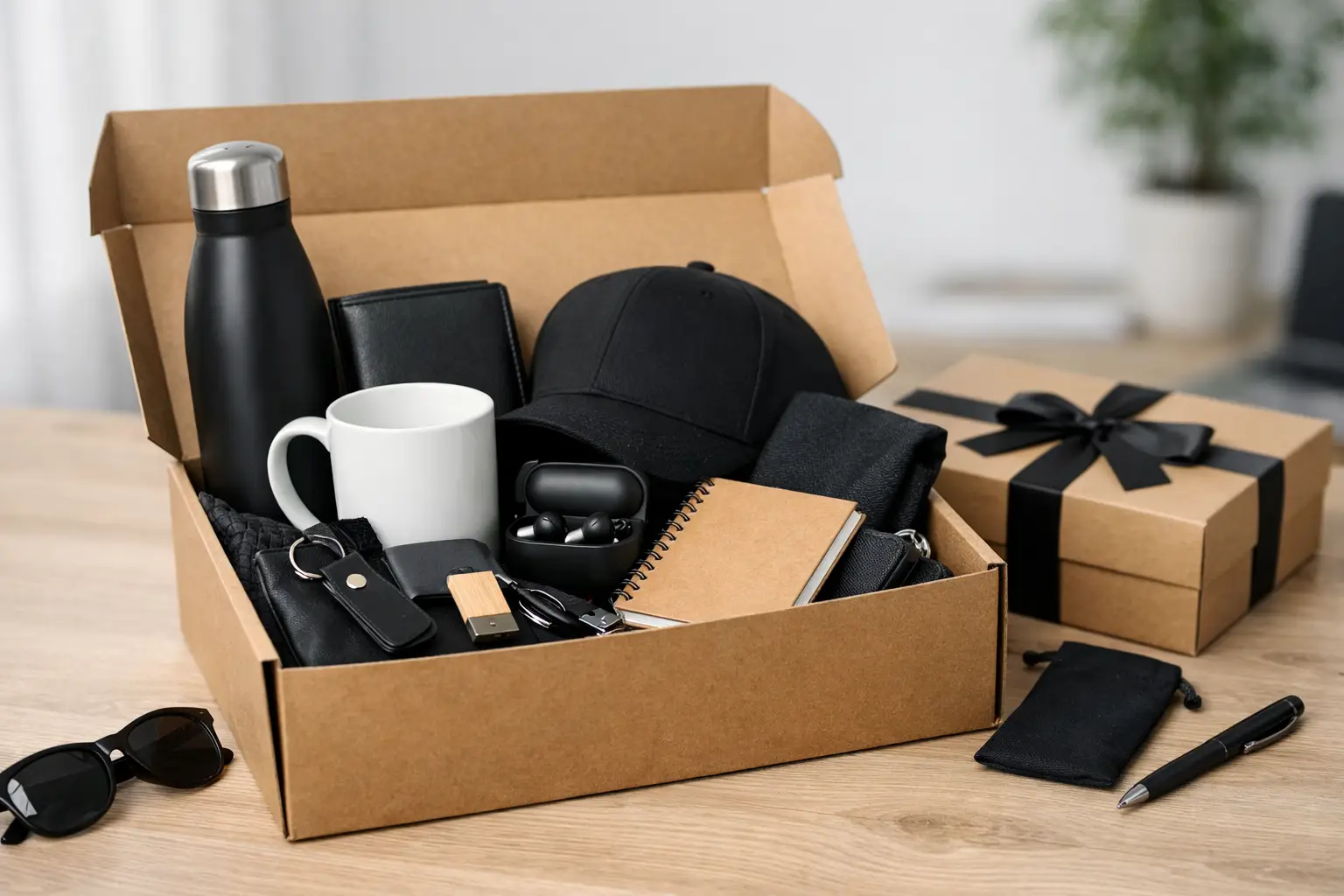
A rushed gift kit is easy to spot. The box feels random, the items do not get used, and the shipping bill lands harder than expected. Custom swag boxes work best when they are built with a clear purpose, a realistic budget, and products people actually want to keep.
For business buyers, that is the real challenge. You are not just picking branded merch. You are balancing cost per box, decoration quality, delivery timing, and the experience the recipient has when the package shows up. If the project is tied to onboarding, a trade show follow-up, client appreciation push, or remote employee engagement campaign, there is very little room for mistakes.
Why custom swag boxes work so well
A single promo item can do a job. A box can do several jobs at once. It gives your brand more space to tell a story, combines practical and higher-perceived-value items, and creates a stronger first impression than sending one standalone product.
That matters for HR teams shipping welcome kits to new hires, marketing teams supporting account-based campaigns, and event planners trying to extend the life of a conference. A well-built box feels more intentional. It can reinforce culture, improve brand recall, and make the spend easier to justify because multiple departments often benefit from one order.
There is also a practical reason buyers lean toward boxed kits. Bundling products can simplify purchasing. Instead of managing separate orders for drinkware, notebooks, tech accessories, and packaging, you can organize the program around one approved concept. That reduces back-and-forth and helps keep timelines under control.
What makes a swag box effective
The best boxes are not always the most expensive ones. They are the ones with a clear role.
If you are building an onboarding kit, useful everyday items usually beat novelty. A branded backpack, notebook, pen, and insulated tumbler create a strong foundation because they fit into the employee’s week immediately. If you are sending a client thank-you box, the mix may shift toward premium drinkware, snacks, desk accessories, or branded gift sets that feel more elevated.
Fit matters just as much as price. A custom swag box for a sales kickoff should not look like a holiday gift, and a remote employee care package should not feel like trade show leftovers. Strong boxes are aligned with the moment, the audience, and the budget.
There is a trade-off here. The more personalized the box becomes, the more variables you introduce. Size runs for apparel, individual addresses, custom inserts, and tight in-hands dates all add complexity. That does not mean you avoid customization. It means you choose where customization actually improves results.
Start with the use case, not the product list
Buyers often start by asking which items are popular. That is a fair question, but it is not the best first question. Start by asking what the box needs to accomplish.
A new hire box needs to create familiarity and reduce first-day friction. An event follow-up box needs to keep your brand visible after the show floor is over. A customer gift box should support retention and appreciation without feeling excessive. Once the goal is clear, product selection gets easier and the box stops feeling random.
Build around one anchor item
Most strong boxes have an anchor item that carries the perceived value. That could be a Stanley or Hydro Flask bottle, a branded hoodie, a quality backpack, or a useful tech accessory. The supporting items should complement it, not compete with it.
This approach helps with cost control. Instead of trying to make every product feel premium, you put your spend where it is most noticeable and use practical add-ons to round out the box. A quality tumbler paired with a notebook and pen often performs better than four forgettable low-cost items.
Choosing products for custom swag boxes
Product mix depends on your audience, but some categories are consistently strong because they combine utility with repeat visibility.
Drinkware remains one of the safest bets for wide audiences. People keep it on desks, carry it into meetings, and use it at home. Bags also perform well because they travel. For employee kits, office supplies and tech accessories make sense because they support day-to-day work. For broader campaigns, apparel can be effective, but it requires more planning around sizing, style, and inventory.
Packaging should not be treated as an afterthought. The outer presentation, inserts, and arrangement inside the box all affect how the gift is perceived. At the same time, overbuilding the packaging can burn budget fast. If your goal is scale and efficiency, keep the packaging clean and branded without turning the box into the most expensive item in the shipment.
Good, better, best pricing tiers
One of the easiest ways to keep a swag box program on budget is to build in tiers early. A good tier might focus on practical essentials. A better tier can add a stronger anchor item or upgraded packaging. A best tier is useful when sending executive gifts, VIP event kits, or customer appreciation boxes with a higher target value.
This structure helps internal stakeholders make decisions faster. It also gives procurement teams a clearer framework for comparing cost against intended impact. Not every recipient needs the same box, and forcing one format across every audience can waste money.
Budget control is where most projects go sideways
The product cost is only part of the equation. Decoration, kitting labor, dimensional shipping, address collection, warehousing, and split shipments all affect total spend.
That is why cheap unit prices can be misleading. A low-cost item that ships poorly or arrives damaged is not a win. Neither is a premium box that blows up the freight budget because the dimensions were not planned properly. Business buyers need the total landed cost to make sense.
This is where working with a supplier that understands bulk pricing and fulfillment details matters. Discount Swag focuses on keeping costs down without forcing buyers into low-grade merchandise, which is exactly what high-volume programs need. Saving a few dollars per unit is helpful. Saving across products, decoration, and distribution is better.
Shipping strategy matters more than most buyers expect
Shipping to one office is very different from shipping to 200 remote employees. Multi-location distribution introduces more chances for delays, address issues, and added handling fees. If your recipients are spread across the US, plan for that from the start.
Some boxes should be assembled and shipped all at once. Others make more sense as ongoing programs with inventory held for future hires, staggered campaigns, or regional events. It depends on volume, timing, and whether your recipient list is stable or changing.
Common mistakes to avoid
The first mistake is trying to please everyone with one generic assortment. Broad appeal sounds efficient, but it often produces a bland box with low engagement. It is better to match the contents to the audience and accept that different groups may need different kits.
The second mistake is overloading the box. More items do not always mean more value. If the products are weak, the extra quantity can make the whole package feel cheaper.
The third mistake is waiting too long to finalize details. Customization, approvals, and assembly all take time. If your event date or start date is fixed, the safest move is to lock the concept early and avoid late substitutions that create rush charges or stock problems.
When custom swag boxes make the most sense
They are especially effective when you need a coordinated brand experience across several touchpoints. New hire programs, employee milestone gifts, virtual event kits, customer thank-you campaigns, and sales prospecting sends are all strong use cases.
They also make sense when internal teams want one source for product selection and distribution. Managing multiple vendors can create price inconsistency, delayed timelines, and uneven quality. Consolidating the project into one merch partner usually saves time and reduces risk.
That said, not every campaign needs a box. If your goal is broad reach at the lowest possible cost, a single giveaway item may be smarter. Custom swag boxes are best when the experience itself matters and the recipient value justifies the added assembly and shipping.
How to buy smarter
The most effective buyers know their budget range, target audience, in-hands date, and shipping model before they start selecting products. Those four details eliminate a lot of wasted motion.
From there, ask for product options that balance value and reliability. Brand-name merchandise can lift perceived quality, but it should fit the budget and purpose. Generic items can still work well when the decoration is clean and the product is genuinely useful. The right answer is not always the most premium one. It is the one that gives you the strongest impression per dollar.
If you are sourcing in volume, push for pricing clarity early. You need to know what is included, what changes the cost, and where freight or kitting fees may rise. The best swag box programs are not built on surprises. They are built on smart planning, dependable fulfillment, and products people keep.
A good box gets opened. A smart box gets remembered, used, and delivered without headaches. That is the difference worth paying for.
 Bottle Carriers
 Mugs
Mugs