

How to Choose Corporate Swag That Works


A box of cheap pens that nobody keeps is not a savings win. It is wasted budget, missed brand exposure, and one more thing your team has to explain when results fall flat. If you are figuring out how to choose corporate swag, the real job is not just finding something with your logo on it. It is choosing products that match the audience, support the campaign, and arrive on time at a price that makes sense.
For most business buyers, the pressure comes from three directions at once. You need a product people will actually use, a unit cost that holds up under budget review, and a fulfillment plan that does not create problems two days before an event or employee send-out. That is why swag selection works best when you treat it like a business decision, not a last-minute branding exercise.
How to choose corporate swag for the right goal
Start with the purpose. Swag for a trade show should not be chosen the same way as onboarding kits, client gifts, or employee recognition items. The product only performs well if it fits the situation.
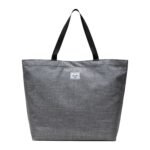
For lead generation and event giveaways, practical and portable usually wins. Drinkware, tote bags, tech accessories, and everyday office items tend to get repeated use, which gives your logo more impressions over time. For employee programs, perceived value matters more. Apparel, branded gift sets, desk accessories, and premium drinkware often land better because they feel intentional rather than generic.
Client gifting is its own category. A low-cost promo item may be perfect for a conference table, but it can feel off when the goal is relationship building. In that case, brand-name drinkware, curated sets, or higher-end lifestyle products usually make more sense. You are not just sending an item. You are sending a signal about how your company operates.
This is where buyers get tripped up. They choose a product because it is popular, not because it fits the objective. Popular does not always mean effective. A high-volume giveaway item can be the right move for reach, while a smaller run of premium swag can be the better move for retention or appreciation.
Match the swag to the audience, not your internal preferences
A common mistake is choosing what your team likes instead of what the recipient will use. That sounds obvious, but it happens all the time. The safest way to avoid it is to think about the recipient’s day-to-day environment.
If your audience travels, bags, drinkware, and tech accessories are strong options because they move with them. If they work from home, desk products, custom mailer boxes, blankets, mugs, and home office gear may get better traction. If they are event attendees walking a show floor, size and convenience matter. Nobody wants to carry a bulky item around a convention center unless it is genuinely worth it.
Industry context matters too. A financial services team may want polished, professional items. A recruiting event for younger candidates may respond better to trend-aware products and modern colors. A manufacturing workforce may appreciate useful gear more than decorative merchandise. Good swag does not have to appeal to everyone. It has to make sense for the group receiving it.
Budget is not just unit price
When buyers ask how to choose corporate swag, they often start with price per piece. That matters, but it is only part of the decision. A lower unit cost can still produce a higher total cost if the item needs expensive decoration, rush production, split shipping, or replacement due to quality issues.
A better approach is to look at total campaign value. Ask what you are getting for the spend. A tote bag that costs more than a pen may still be the better buy if it gets used weekly for months. A premium water bottle may carry a higher upfront cost, but if it lands with top clients or new hires in a way that strengthens retention or brand perception, the return can justify it.
This is also where supplier quality matters. Saving a few cents per unit does not help if the imprint looks weak, the zipper breaks, or the packaging arrives inconsistent. Business buyers do not need the cheapest product on the internet. They need the best combination of price, quality, and delivery reliability.
That is why value-led sourcing matters. A partner with broad product coverage and aggressive pricing can help you compare categories honestly instead of forcing a narrow recommendation based on limited inventory. If you can get trusted products at a better price, budget pressure gets easier to manage without settling for throwaway swag.
Choose items people keep
Retention is the whole game. The best corporate swag earns a place in someone’s routine. If it gets used once and forgotten, your logo disappears with it.
Useful products usually outperform novelty items because they solve a small everyday need. Drinkware remains strong for that reason. So do bags, chargers, notebooks, pens with a quality feel, and wearable apparel that looks like something people would choose on their own. The sweet spot is simple: practical product, solid quality, clean branding.
There is a trade-off here. Highly customized or unusual items can grab attention in the moment, especially at events. But if they are too niche, they may not last. On the other hand, basic items can become forgettable if they feel too generic. The right balance depends on the campaign. If your goal is booth traffic, a fast visual hook may matter more. If your goal is long-term brand impressions, repeat use matters more.
Branding should be visible, not overwhelming
You are buying swag to promote your brand, but bigger is not always better. A logo that dominates the entire product can make even a good item feel like a giveaway people will avoid using in public.
The better strategy is to fit the branding to the product category. Apparel often benefits from a more subtle placement. Event giveaways can handle bolder branding because visibility is the point. Premium client gifts usually perform better with a cleaner presentation. If the product looks good, it is more likely to be used. If it is more likely to be used, your brand gets more mileage.
Color choice matters too. Your brand standards may call for a specific palette, but not every product looks best in your exact brand color. Sometimes a neutral product with a crisp imprint creates a stronger final result than forcing a loud color match. Consistency matters, but so does taste.
Delivery can make or break the order
Even the right product becomes the wrong product if it misses the event date, onboarding timeline, or campaign launch. That is why fulfillment should be part of product selection from the start, not an afterthought.
If you are shipping to one office, the process is simpler. If you are sending to multiple branches, event locations, or remote employees, complexity climbs fast. Product dimensions, packaging requirements, inventory timing, and address collection all affect the final outcome. Some items are better suited to mass distribution than others.
This is especially relevant for employee programs and remote engagement. Custom branded boxes sound simple until you are coordinating multiple items, branded inserts, and delivery to individual recipients. In those cases, choosing a product mix that is easy to assemble and ship can save real time and cost.
A dependable swag partner should be able to support both centralized and distributed delivery without turning the project into a full-time job for your team. Convenience is not a bonus. It is part of the value.
How to choose corporate swag by category
If you need a practical way to narrow options, start with categories that consistently perform well in business settings. Drinkware works because people use it often and premium options carry strong perceived value. Bags are excellent for events, commuting, and conferences because they combine utility with high brand visibility. Apparel can be powerful for employees and internal culture, but only if the fit, fabric, and decoration are right.
Tech accessories make sense when your audience works on devices all day, but quality varies widely, so careful sourcing matters. Office supplies still have a place, especially for broad reach campaigns, though they need to feel durable enough to avoid looking disposable. Gift sets are strong when you need a more polished presentation for clients, leadership events, or employee milestones.
There is no universal best category. The best category is the one that fits your audience, budget, timeline, and use case without creating unnecessary logistics.
Ask the questions that prevent expensive mistakes
Before you approve any swag order, pressure-test it. Will the recipient actually use this? Does the product reflect our brand well? Is the unit economics still strong after decoration and shipping? Can it arrive on schedule without rushing? If we are ordering in volume, is the quality consistent enough to protect the campaign?
Those questions matter more than trend chasing. A flashy item can still be a poor buy. A straightforward product can be a strong performer if it is priced right, decorated well, and distributed smoothly.
For teams managing recurring swag programs, it also helps to think beyond the current order. If the item works, can you reorder it easily? Can you use it across multiple departments or campaigns? Can it support both event use and direct-to-recipient shipping? Standardizing around reliable winners often saves more money over time than constantly testing random products.
The fastest way to make a good swag decision is to stay focused on function, audience fit, and total value. When those three line up, the product does its job and your budget works harder. If you want swag that gets used instead of tossed, buy like a business buyer, not like someone shopping for filler.
 Bottle Carriers
 Mugs
Mugs