

Stop Wasting Budget on Volunteer Gifts: 3 Tiers, Ordering & IRS Rules

Yes, nonprofit volunteer gifts are worth the effort, and three approaches consistently outperform the rest: a personalized thank-you note or shout-out, a practical branded item volunteers will actually use, and non-material rewards like training or leadership access. Skip cash and general-use gift cards where you can. They are easy to default to, but the IRS treats them differently than a mug or a tote bag.
TL;DR:
- Personalized thank-you notes, branded practical items, and non-material rewards like training are the most effective volunteer gifts, while cash and gift cards may have tax implications.
- Gifts such as insulated tumblers, tote bags, and apparel are best ordered in bulk, with sample approval and consideration of sizing and imprint fit to avoid waste.
- Timing recognition around Volunteer Appreciation Week with layered, ongoing acknowledgment supports higher volunteer retention than a single annual event.
- Nonprofits should establish gift value policies to avoid conflicts of interest or the appearance of favoritism, especially when volunteers also serve as board members or donors.
- Small, immediate gestures like handwritten notes can have a greater impact than more expensive gifts delivered much later, emphasizing the importance of the moment over the amount spent.
Table of Contents
- A quick shortlist of volunteer gifts that actually land
- Matching the gift to the volunteer and the moment
- Setting a budget and buying in bulk without waste
- What the IRS says about gifts, cash, and gift cards
- Timing recognition so it actually gets noticed
- Lessons from the ordering side of volunteer gifts
- Choosing gifts that respect different backgrounds
- Where gift-giving bumps into ethics and conflict of interest
- Why the simplest gift usually wins
- How Discount Swag handles the volunteer gifting logistics
- Sources
- FAQ
A quick shortlist of volunteer gifts that actually land
Some gifts earn their spot on every list because they work across age groups, budgets, and volunteer roles. This shortlist mixes low-cost, mid-range, and non-material options so you can match the gift to the moment.
- Handwritten thank-you note: free, best for immediate post-shift recognition.
- Branded insulated tumbler: mid-cost, best for volunteers who show up repeatedly outdoors or at events.
- Logo tote bag: budget-friendly and bulk-order friendly, best for event swag bags.
- Branded t-shirt or hoodie: mid-to-premium, best for building team identity at recurring events.
- Snack or care package: low-cost, best for long shifts or seasonal drives.
- Certificate of recognition: free to low-cost, best for formal annual ceremonies.
- Skills training or workshop access: non-material, best for volunteers seeking career development.
- Leadership or committee invitation: non-material, best for long-tenured volunteers.
- Digital thank-you video: free, best for remote or distributed volunteer teams.
- Custom pin or small keepsake: low-cost, best for milestone anniversaries.
Matching the gift to the volunteer and the moment
Not every volunteer wants the same thing, and the smartest programs sort their gift ideas into categories before picking items.
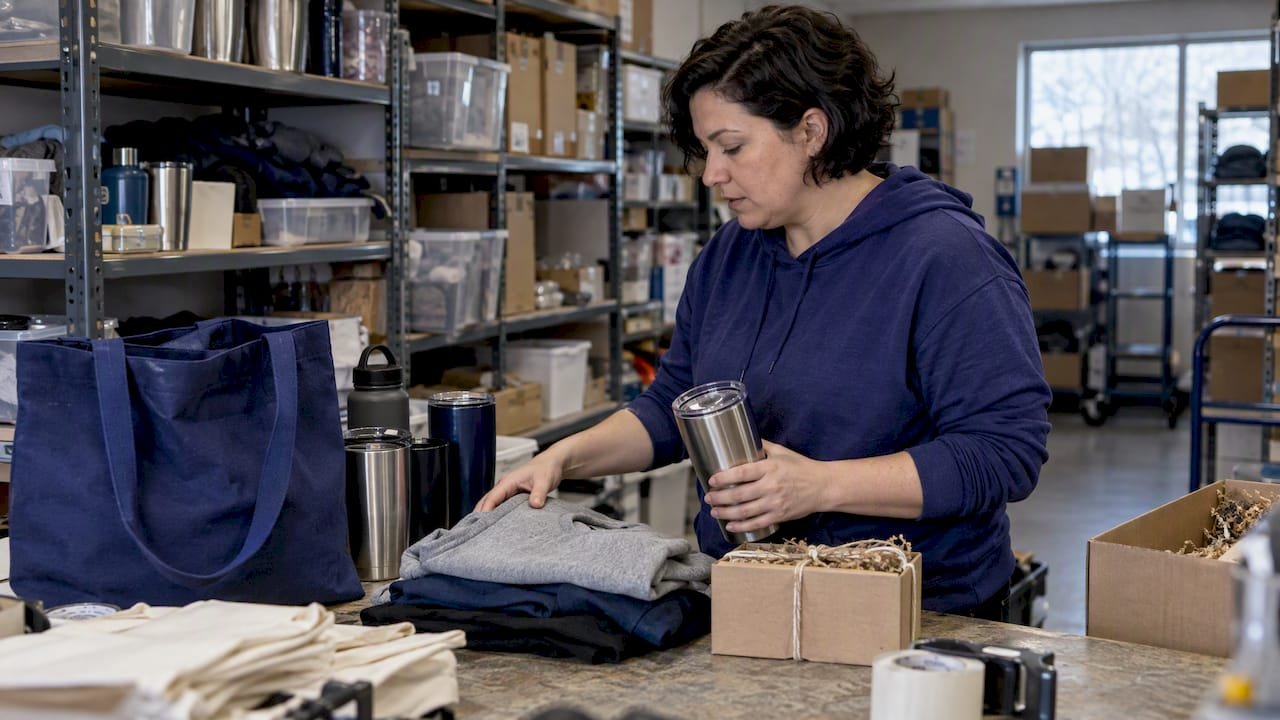
Branded practical items work when volunteers use them again and again. Drinkware, tote bags, and apparel top most nonprofit gift lists because they double as everyday items and quiet advertising for your cause. A branded swag campaign built around a consistent logo and color scheme reads as intentional rather than leftover inventory. Order a sample before committing to a bulk run, and confirm the imprint area fits your logo without shrinking it past legibility.
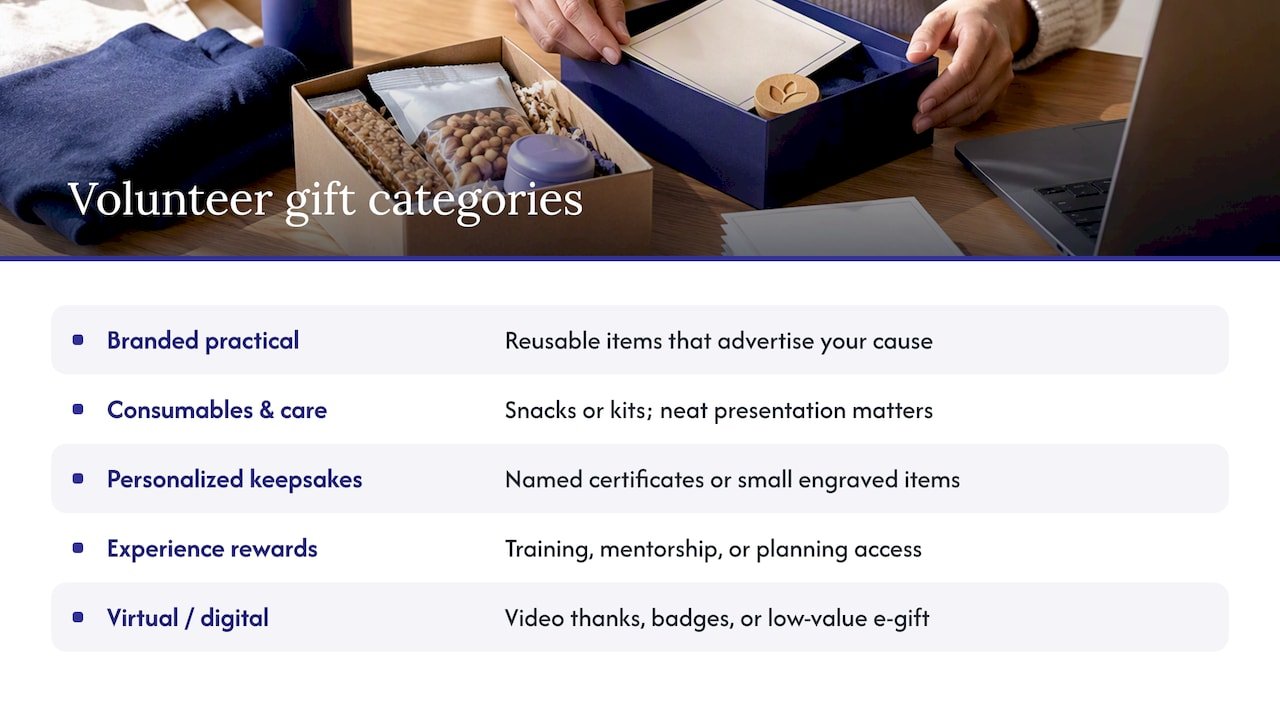
Consumables and care packages are a safe, well-liked category, especially around long shifts or disaster response work. Snacks, hand warmers, or a small self-care kit show attentiveness, but check dietary notes before ordering in bulk. Presentation matters here: a $15 care package wrapped with a short note reads as more thoughtful than the same items loose in a bag.
Personalized keepsakes cost little but carry weight. A certificate with a volunteer’s name and hours served, a small engraved item, or a printed photo collage from an event all signal that someone paid attention to that specific person rather than the volunteer pool in general.
Experience and development rewards often outperform material gifts for long-term engagement. Training access, mentorship pairing, or a seat at a planning meeting tells a volunteer their time is building toward something, not just being logged.
Virtual and digital options matter for remote or distributed teams. A short video thank-you from staff, a digital badge for a volunteer’s online profile, or an e-gift card for a specific, known-use retailer can work when a physical item would never arrive in time. Keep e-gift cards low-value and occasional rather than a routine reward, since the tax treatment mirrors cash.
Pro Tip: Rotate gift categories through the year so volunteers don’t receive the same branded item twice; a tote bag in spring and a care package in fall feels like two separate gestures, not one repeated gesture.
Setting a budget and buying in bulk without waste
Most nonprofit gift programs settle into three spending bands, and matching the band to the occasion keeps costs predictable.
- Under $10 per volunteer: handwritten notes, a small branded pin, a snack pack, or a printed certificate.
- $10 to $30 per volunteer: a branded tumbler, a tote bag, or a modest care package with a few items.
- $30 and up: apparel, premium drinkware sets, or a fully custom branded box reserved for milestone recognition.
Nonprofit guides generally estimate per-item spending in roughly this same range, with budget items around $5 to $20 and mid-range items between $20 and $50. Before placing a bulk order, request a sample and a proof, confirm the minimum order quantity, and check whether sizing runs true before locking in apparel. A corporate apparel guide can help you avoid the reorder costs that come from guessing at sizes. If volunteers work across multiple sites, plan shipping and labeling by location rather than shipping one bulk pallet and sorting it yourself.
What the IRS says about gifts, cash, and gift cards
The tax rules here are narrower than most organizers expect.
Cash and general-use gift cards given to volunteers may create taxable income for the recipient, while nominal gifts such as food served at an appreciation event are generally not taxable.
That distinction comes straight from IRS guidance on working with volunteers, and it is worth building into a written gift policy. Keep reimbursements separate from gifts: a reimbursement for out-of-pocket mileage or supplies needs a receipt and prior approval, while a gift needs a consistent, low value and a simple record of who received what. Volunteers who itemize may also be able to deduct their own unreimbursed expenses, covered in IRS Publication 526, though they cannot deduct the value of their time.
Timing recognition so it actually gets noticed
Volunteer Appreciation Week gives you a natural deadline and a reason to go bigger, but a single week of gratitude a year will not carry a program on its own.
- Use Volunteer Appreciation Week for the year’s largest gesture: a branded gift, an event, or a public thank-you campaign.
- Layer in smaller, frequent recognition the rest of the year: shift-end thank-yous, social media shout-outs, or a note after a tough event.
- Choose channels that match the volunteer: in-person handoff for local teams, a mailed item or digital badge for remote volunteers.
- Account for dietary restrictions, accessibility needs, and time zone differences when planning events or care packages.
Nonprofit management guidance from the Lodestar Center at ASU backs this layered approach, noting that ongoing recognition tends to support retention better than a single annual event on its own.
Lessons from the ordering side of volunteer gifts
Most wasted gift budget traces back to the same few mistakes: no sample ordered, wrong imprint size, or a color that looked right on screen and wrong on the actual material. Build a short checklist before you submit a bulk order: request a physical sample, lock sizes early using a true sizing chart, confirm the imprint area against your actual logo file, and ask for a mockup before production starts. Lead times for custom branded items typically run several weeks, so plan your Volunteer Appreciation Week order well ahead rather than paying for rush production. Sustainable materials, like recycled totes or reusable drinkware, usually cost more upfront but tend to get used longer, which raises the perceived value of the gift itself.
Pro Tip: Approve color matches against a physical material swatch, not a photo on a screen. Screens render color inconsistently, and that mismatch is one of the most common reasons nonprofits end up reordering apparel.
Choosing gifts that respect different backgrounds
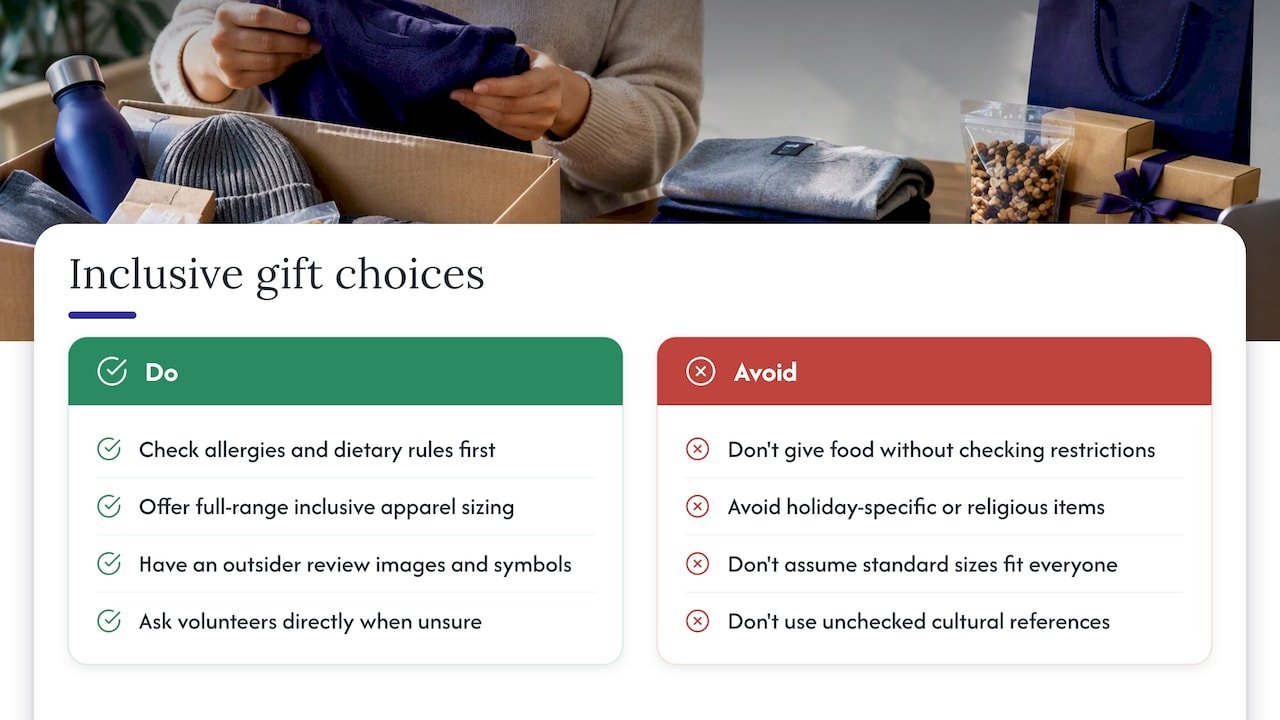
A gift that reads as thoughtful to one volunteer can read as careless to another, so a little caution goes a long way. Avoid food-based gifts without checking for common allergies or religious dietary practices, and skip items tied to specific holidays unless your volunteer base shares that observance. Apparel sizing should reflect a full range, not just standard cuts, so volunteers of different body types feel equally considered. When a gift includes an image, phrase, or symbol, have someone outside the planning group review it for anything that could read as exclusionary or tone-deaf to a group you did not have in mind. Simple, broadly usable items, a notebook, a tote bag, a plain tumbler, tend to travel better across a diverse volunteer base than anything tied to a specific cultural reference. When in doubt, ask a few volunteers directly what they would actually want. That one conversation usually surfaces a problem faster than a planning meeting does.
Where gift-giving bumps into ethics and conflict of interest
Tax rules are not the only limit on volunteer gifts. Nonprofits that also work with paid board members, major donors, or vendors need a policy on gift value to avoid the appearance of favoritism or an undisclosed conflict of interest. Legal and tax commentary on nonprofit compensation generally treats high-value prizes, like vacations or large gift cards, as compensation rather than appreciation, which can carry payroll tax consequences and put the organization’s nonprofit status at risk if done routinely. A simple internal rule, a maximum per-person gift value and a written list of who approved it, protects both the volunteer and the organization. This matters most when a volunteer also sits on your board or holds another paid role within the organization, since the line between gift and compensation gets blurrier the closer that relationship gets.
Why the simplest gift usually wins
The conventional advice treats volunteer gifts as a once-a-year checkbox: pick something during Volunteer Appreciation Week, hand it out, move on. That misses the bigger lever. A $5 handwritten note delivered the same day as a shift tends to land harder than a $40 item that shows up two months later, because timing signals attention in a way that price tag never does. Organizers overrate the gift itself and underrate the moment it arrives.
The other blind spot is treating gifts and development opportunities as separate budgets. A training seat or a leadership invitation costs the organization staff time, not swag money, and it often does more for retention than another tumbler. If you take one thing from this, prioritize speed and specificity over spend: a fast, personal gesture beats a delayed, generic one almost every time, and a volunteer who gets offered growth will usually outlast one who just gets handed merchandise.
— Jerry
How Discount Swag handles the volunteer gifting logistics
Once you know what you want to give, the harder part is often getting it made, sized, and shipped on time. A supplier can run bulk branded apparel, drinkware, and fully custom branded boxes built for exactly this kind of program, with rush orders available when Volunteer Appreciation Week sneaks up on your calendar. For organizations recognizing volunteers across several sites, fulfillment can ship to single or multiple locations rather than landing in one box you have to sort and redistribute yourself.
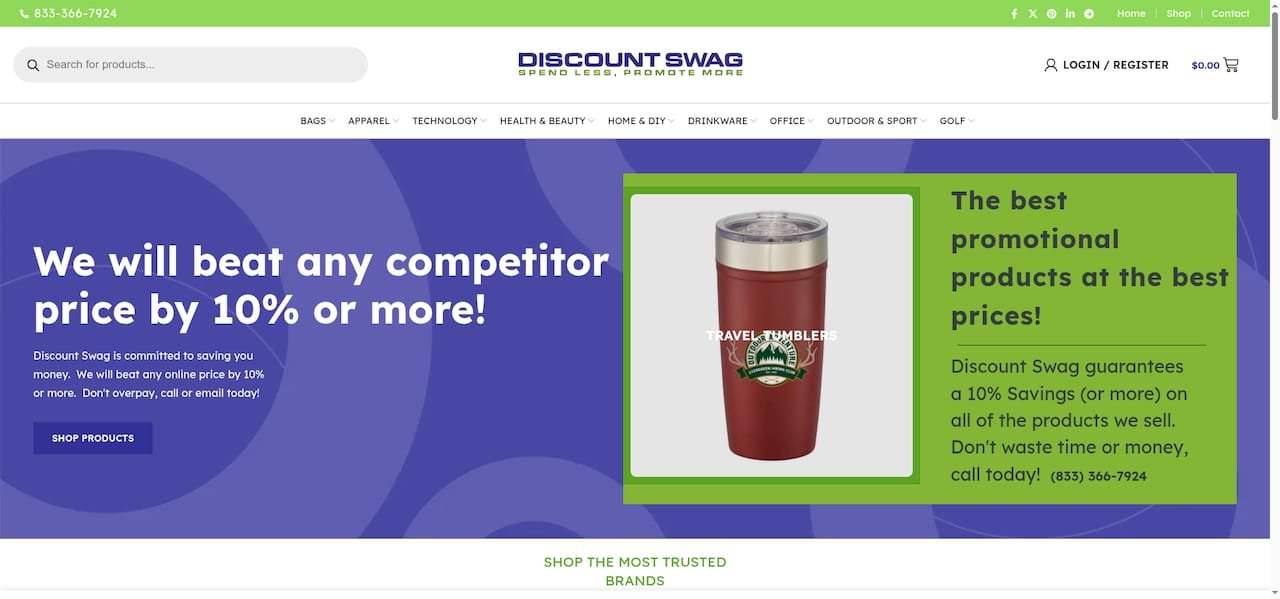
A full-service supplier makes the most sense once you are ordering at scale, need consistent branding across a large group, or are working against a tight date. If that describes your next recognition push, you can browse current product categories and request a quote directly.
Sources
- Providing disaster relief through charitable organizations: Working with volunteers | Internal Revenue Service
- 50 Volunteer Appreciation Ideas: Gifts, Events & More | Givebutter
FAQ
Can a nonprofit give gifts to volunteers?
Yes, nonprofits can give gifts to volunteers, and most physical gifts are fine as long as they stay low in value. The main caution from the IRS is around cash and general-use gift cards, which can be treated as taxable income rather than a gift.
What are some good presents for volunteers?
Practical items like insulated tumblers, tote bags, and branded apparel tend to top nonprofit gift lists because volunteers actually use them. Personalized touches, a handwritten note, a certificate with their name and hours, or a small keepsake, often matter more to recipients than the price of the item itself.
What are some good bulk volunteer appreciation gifts?
Drinkware, apparel, and tote bags are the easiest categories to order in bulk since they scale well with standard sizing and imprint areas. Ordering a sample and proof first, as recommended in most procurement guidance, helps avoid costly reorders from sizing or color mismatches.
What are good incentives for volunteers?
Beyond physical gifts, access to training, mentorship, or leadership roles tends to build longer engagement than a one-time item. Nonprofit management guidance from the Lodestar Center points to ongoing, varied recognition, rather than a single annual gesture, as the stronger retention driver.
 Bottle Carriers
 Mugs