

Sustainable Swag Trends That Deliver More Value


A tote that gets used for groceries, a bottle that stays on a desk, or a charging cable that solves a real problem will do more for your brand than another giveaway headed for the trash. That is why sustainable swag trends are changing how smart business buyers source employee gifts, event merchandise, and client appreciation programs. The goal is not simply to add a recycled-material label. It is to buy branded products people keep, use, and associate with a company that makes practical decisions.
For marketing teams, HR leaders, and procurement professionals, this shift creates a real purchasing opportunity. Better swag can reduce waste, strengthen brand perception, and stretch the value of every logoed item. The catch is that not every item marketed as eco-friendly is a better choice for your budget or your audience. A useful product, reliable quality, accurate claims, and efficient distribution still matter.
Sustainable Swag Trends Buyers Should Watch
The strongest trend is moving away from disposable novelty items and toward durable everyday gear. Recipients are more selective, especially employees and event attendees who already have drawers full of promotional products. They respond better to merchandise that earns a place in a work bag, kitchen, car, or home office.
Reusable drinkware remains a high-performing category because the value is immediate. Insulated tumblers, stainless steel bottles, and travel mugs can carry a logo for years instead of a few days. Recognizable retail-style brands can make the gift feel more intentional, but a premium name is not always required. The right choice depends on your quantity, decoration needs, delivery date, and cost per recipient.
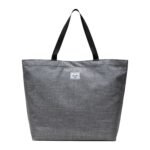
Bags are also gaining ground, particularly recycled-content totes, backpacks, lunch bags, and packable options. A well-built bag has a large imprint area and a long useful life, which can lower the cost per impression over time. For trade shows, consider whether a lightweight tote is genuinely helpful for attendees collecting materials. For employee gifting, a more structured backpack or commuter bag may deliver better perceived value.
Recycled Materials Are Becoming a Baseline
Recycled polyester, recycled cotton blends, reclaimed plastic, and recycled paper products now appear across apparel, bags, notebooks, tech accessories, and drinkware. This gives buyers more options at multiple price points. It also means material claims need closer review.
Look for clear product details that explain what portion of the item uses recycled content and which components are included. A recycled fabric body does not necessarily mean every zipper, lining, or trim piece is recycled. That does not make the product a poor choice. It simply helps your team communicate honestly and avoid broad environmental claims that the product cannot support.
Recycled-content items can sometimes cost more than a standard version, particularly at lower quantities. The better comparison is not always unit price alone. Compare expected usefulness, quality, imprint visibility, and the likelihood that recipients will keep the item. A slightly higher-cost bottle that becomes part of a daily routine can outperform a cheaper giveaway that never leaves the event bag.
Less Packaging, More Practicality
Another meaningful trend is reducing excess packaging. Buyers are choosing products that arrive with minimal retail packaging, consolidated shipment options, and gift boxes only when the presentation serves a clear purpose. This matters most for large employee programs, where extra packaging adds freight volume, handling time, and disposal at the recipient end.
For executive gifts or client milestones, upgraded packaging can still be the right call. The key is matching presentation to the moment. A thoughtful branded gift set for a top client relationship has different requirements than 2,000 conference giveaways. Sustainable purchasing is not about removing every box. It is about avoiding packaging that does not add value.
Choose Products People Will Actually Use
Usefulness is the most dependable sustainability filter. Before approving an item, ask a simple question: would someone choose to use this if the logo were not on it? If the answer is no, a greener material alone may not fix the problem.
For corporate onboarding, practical desk and travel items work well: insulated drinkware, quality notebooks, laptop sleeves, charging accessories, and comfortable apparel. For remote teams, curated boxes with a few useful items are often more effective than a large collection of lower-value products. They also make it easier to manage consistent branding and ship directly to home addresses.
For events, focus on the attendee experience. A portable charger may be valuable at a multi-day conference. A reusable cup can fit a hospitality or campus event. A weather-resistant bag can make sense for an outdoor activation. The product should solve a problem connected to the setting, not just fill a giveaway table.
Apparel deserves special attention. Sustainable fabric options are more available than ever, but fit and comfort determine whether the garment gets worn. Choose a style with inclusive sizing, a color people will wear, and decoration that supports the garment’s intended life. A small, tasteful logo often gets more repeat wear than a large, event-specific graphic.
Make the Budget Work Harder
Sustainable merchandise does not have to mean premium pricing across the board. The most cost-effective strategy is usually to reduce low-value SKU volume and put that budget into fewer, stronger items. Instead of ordering five small handouts for every attendee, consider one useful takeaway with a clear brand purpose.
Quantity still drives unit cost, so plan early when possible. Early planning gives you more product choices, more time for proofs, and better flexibility if a preferred item has longer production or transit requirements. Last-minute buying can force substitutions, expedited freight, or inventory compromises that undermine both cost control and your sustainability goals.
At Discount Swag, business buyers can compare a broad range of branded product categories without treating sustainable choices as a separate, limited program. That matters when you need to balance a specific price target with decoration, inventory, shipping, and recipient needs. A lower price is only a win if the item arrives on time and reflects well on your organization.
Ask Better Questions Before You Order
Suppliers and distributors should be able to provide straightforward details about materials, product construction, available decoration methods, packaging, and fulfillment options. When a program includes an environmental message, ask what documentation supports it. Avoid relying on vague terms such as “green” or “earth-friendly” without product-specific information.
You should also ask whether the item can ship to one location or to individual recipients. Multi-location shipping is particularly useful for distributed teams, virtual events, and client campaigns. Sending the right item directly to the right person can reduce internal handling, prevent duplicate shipments, and remove a major administrative burden from HR or marketing.
Decoration choices matter, too. A product with a long expected life deserves a decoration method that holds up to repeated washing or daily use. Confirm logo placement, color limitations, and proof approval timelines before production begins. A beautiful recycled item with a poor-quality imprint will not create the brand impact you intended.
Build Programs Around Purpose, Not Claims
The most credible swag programs do not lead with a sustainability slogan. They lead with a useful experience. A new-hire kit that helps an employee feel prepared, a customer gift that supports a daily ritual, or an event item that makes the day easier will carry the message naturally.
Consider setting internal standards for recurring purchases. You might prioritize reusable items for employee programs, eliminate products designed for single use, require a defined purpose for every giveaway, or favor consolidated shipments when timing allows. These guardrails simplify purchasing decisions without forcing every campaign into the same product mix.
Measure results where you can. For an event, track pickup rates, post-event feedback, and whether a premium item helped generate qualified conversations. For employee kits, look at participation, photos shared internally, and survey comments. For client gifts, sales teams can report whether the item opened a conversation or supported a relationship milestone. The best sustainable swag is not only purchased responsibly. It performs.
A smart next order starts with the recipient, not the catalog. Choose one item that fits their routine, protect the quality and delivery timeline, and let your brand stay useful long after the handoff.
 Bottle Carriers
 Mugs
Mugs