
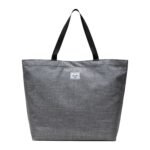

What Is Swag in Marketing: A 2026 Strategic Guide

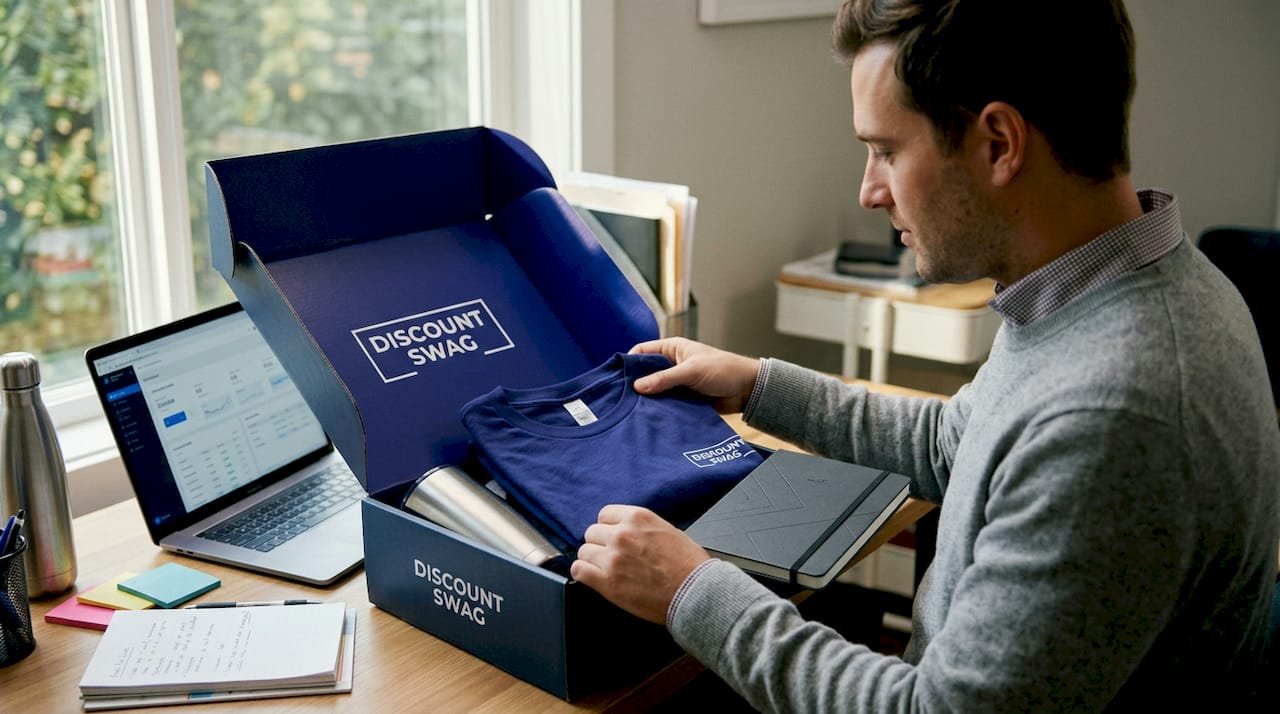
Most marketing professionals have handed out branded pens or tote bags at some point. But if you think of swag as just free stuff you throw at a crowd, you’re leaving serious brand equity on the table. Understanding what is swag in marketing, and treating it with the same rigor you’d apply to paid search or email, changes what your budget can actually accomplish. The data backs this up. A single $6 tote bag can generate roughly 5,000 brand impressions at a cost of $0.001 each. This guide gives you the full picture.
Table of Contents
- Key takeaways
- What is swag in marketing: definition, types, and examples
- The real importance of swag in marketing
- How to use swag in promotions effectively
- Swag trends reshaping promotional marketing in 2026
- My take: stop treating swag as a footnote
- Find the right swag for your next campaign
- FAQ
Key takeaways
| Point | Details |
|---|---|
| Swag defined strategically | Swag is branded promotional merchandise designed to generate lasting impressions, not just a freebie. |
| Usefulness drives retention | 78% of consumers keep swag because it serves a daily purpose, not because of the logo. |
| Quality beats quantity | Poor materials are the top reason recipients discard swag, which harms rather than helps brand perception. |
| Measure long-tail ROI | Track swag impact over months of usage and repeat impressions, not just immediate event conversions. |
| Sustainability now matters | Eco-conscious and Made-in-USA products drive higher brand favorability among modern consumers. |
What is swag in marketing: definition, types, and examples
The word “swag” in marketing circles stands for “Stuff We All Get.” That origin tells you something useful. Swag, or branded promotional merchandise, refers to physical items imprinted with a company’s logo, colors, or messaging and distributed to prospects, customers, employees, or event attendees. The formal industry term is promotional products, and the two phrases are used interchangeably by practitioners. At Discountswag, the catalog spans hundreds of categories covering everything from apparel to wireless chargers.
Where people get confused is the distinction between swag, merchandise, and branded gifts. Swag is typically distributed broadly, often at no charge to the recipient, with the goal of generating impressions and awareness. Branded merchandise, sometimes called “merch,” is usually sold and tied to fan identity. Branded gifts are curated, higher-value items sent to specific individuals to deepen a relationship. The strategy, budget, and distribution model differ across all three.
Common swag categories include:
- Apparel: T-shirts, hats, hoodies, and polos
- Drinkware: Tumblers, mugs, and water bottles
- Tech accessories: USB drives, wireless chargers, and phone stands
- Bags: Tote bags, backpacks, and drawstring bags
- Office items: Notebooks, pens, sticky notes, and mousepads
The design trends in 2026 have shifted toward cleaner aesthetics, muted color palettes, and premium materials that recipients actually want to use. The era of the scratchy polyester T-shirt with a four-color logo slapped across the chest is over for brands that care about perception.
| Swag category | Primary use case | Estimated lifetime impressions |
|---|---|---|
| Apparel (T-shirt) | Events, employee gifting | 3,400+ |
| Tote bag | Trade shows, conferences | 5,000+ |
| Drinkware (tumbler) | Daily office and home use | 2,800+ |
| Tech accessories | Remote teams, onboarding kits | 1,500+ |
| Notebooks/pens | Office giveaways, B2B meetings | 1,200+ |
You can explore a full breakdown of branded product categories to match the right item to your campaign objective.
The real importance of swag in marketing
Here is where the swag marketing definition stops being abstract and starts earning its place in your budget conversation. Promotional products consistently outperform most digital ad channels on a cost-per-impression basis. A typical promotional product generates 3,300 brand views at just $0.006 per impression. That undercuts national magazine advertising, online display ads, and even broadcast spots.

The retention numbers are equally compelling. 78% of U.S. consumers keep promotional items because they find them useful. Not because they love the brand yet. Usefulness is the gateway. Once a product lives on someone’s desk or clips to their gym bag, your logo enters their daily environment without a single additional media buy.
Purchase behavior shifts too. 76% of consumers report being more likely to do business with a brand after receiving swag, and 78% view those brands more favorably. Those are conversion-level numbers from a physical object that someone touched once at a conference. The benefits of swag for businesses extend well beyond event day.
Emotional resonance amplifies the effect further. Research from PPAI’s 2026 consumer study found that 83% feel appreciated when receiving promotional products, and 90% say it improves their perception of the brand. These numbers are not soft metrics. They translate directly into loyalty, referrals, and repeat purchases.
Despite all of this, only 21% of marketers treat branded merchandise as a core budget channel. The rest relegate it to a line item that gets cut first. That gap between performance data and budget allocation is your competitive opportunity. The brands that treat swag as a strategic channel rather than a tactical afterthought compound brand impressions over months while competitors fight over shrinking digital attention spans.
Pro Tip: Choose swag based on what recipients will use every day, not what makes your logo most visible. A premium insulated tumbler used every morning generates far more impressions than a branded stress ball sitting in a drawer.
How to use swag in promotions effectively
Knowing the importance of swag in marketing is one thing. Deploying it effectively is another. The difference between swag that works and swag that gets tossed comes down to a few decisions made before you ever place an order.
- Set a strategic objective first. Are you building awareness at a trade show, onboarding new employees, nurturing key accounts, or rewarding loyal customers? Each goal calls for a different item, quantity, and distribution model. A mass-giveaway tote serves a different function than a curated welcome kit sent to a prospect.
- Allocate budget based on recipient value. Spend more on items going to high-value prospects or clients. Spend less on broad-distribution awareness items. A tiered approach keeps your budget rational without sacrificing impact where it matters most. Bulk buying options can help stretch your budget across both tiers.
- Prioritize design and material quality. Poor quality is the single biggest reason recipients discard swag. 54% keep the last promotional product they received, and 61% remember the brand. Style and quality account for roughly half of that retention decision. A clean, well-printed logo on a quality substrate beats a cheap item with maximum logo coverage every time.
- Apply the five-second rule. Research shows that swag has roughly five seconds to make an impression before a recipient decides whether to keep it or discard it. Your item needs to communicate value, usefulness, or desirability the instant it lands in someone’s hands. Packaging, weight, and first-touch texture all factor into that judgment.
- Use personalization to increase memorability. 48% of recipients say personalized items are more memorable than generic ones. Including a handwritten note, a name on the product, or a message tied to a specific campaign moment dramatically improves both the emotional impact and the brand impression quality. For account-based campaigns, this is non-negotiable.
- Avoid common mistakes. Generic items with no story, misprinted logos, low perceived value, and products misaligned with your audience’s lifestyle all work against you. A tech company gifting vinyl keychains to software engineers signals that nobody thought this through.
Pro Tip: When selecting trade show giveaways, look at what recipients will carry around the venue all day. Items that travel with the person become walking billboards. Start with custom trade show items built for portability and daily use.
Swag trends reshaping promotional marketing in 2026
The best swag items for marketing in 2026 look nothing like the branded novelties of a decade ago. The shift is cultural. Consumers increasingly expect the brands they engage with to reflect their values, not just their logos. Promotional products have responded by evolving into what PPAI researchers now call lifestyle companions. These are items people would consider buying themselves. That standard changes what belongs in your swag catalog.
Sustainability has moved from trend to expectation. Sustainable and Made-in-USA swag measurably improves brand favorability and drives stronger consumer retention. Recycled materials, organic cotton, and responsibly sourced drinkware are now selection criteria, not premium upgrades. Brands that ignore this signal risk sending the wrong message to eco-conscious audiences.
Technology integration is expanding what swag can do. QR codes printed on packaging or products connect physical items to digital experiences, landing pages, or exclusive content. Tech accessories like wireless chargers are now among the highest-retention swag categories because they solve a daily problem with undeniable frequency. Every charge is an impression.
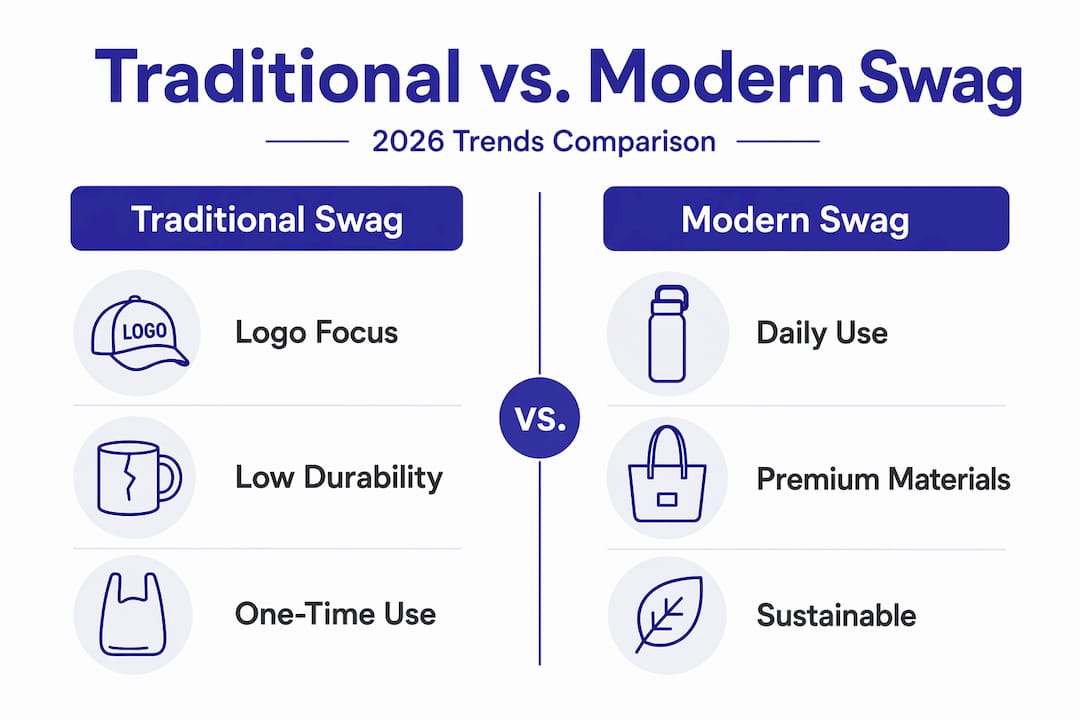
| Attribute | Traditional swag | Modern swag |
|---|---|---|
| Primary goal | Logo visibility | Daily usefulness and emotional resonance |
| Material standard | Low cost, mass volume | Quality materials, reduced waste |
| Design approach | Maximum logo coverage | Brand-aligned, lifestyle aesthetics |
| Distribution model | Broadcast giveaway | Targeted, tiered, personalized |
| Success metric | Items distributed | Impressions over time, retention rate |
| Sustainability factor | Not a consideration | Active selection criterion |
My take: stop treating swag as a footnote
I’ve reviewed enough promotional campaigns to spot the pattern that kills swag ROI before the first item ships. The team picks something cheap, prints a big logo, and ships it out because the trade show deadline hit. Nobody measures what happened after. That’s not a swag problem. That’s a planning problem.
What I’ve found is that the brands who treat swag with the same discipline as any other paid channel consistently see compounding returns. One campaign I analyzed used a single premium drinkware item with personalized messaging sent to 200 mid-funnel prospects. Engagement over the following 90 days outperformed three months of display retargeting at a higher total spend.
The uncomfortable truth is that only a minority of buyers view swag as core marketing spend. That thinking costs brands impressions, loyalty, and pipeline. ASI’s research arm frames it correctly. Swag should be measured as a long-tail advertising channel, where ROI accumulates through months of daily use, not immediate click-through rates. Once you build that mental model, every selection and budget decision changes.
Focus on usefulness. Focus on quality. Focus on measuring what happens after distribution. That is where the real returns live.
— Jerry
Find the right swag for your next campaign
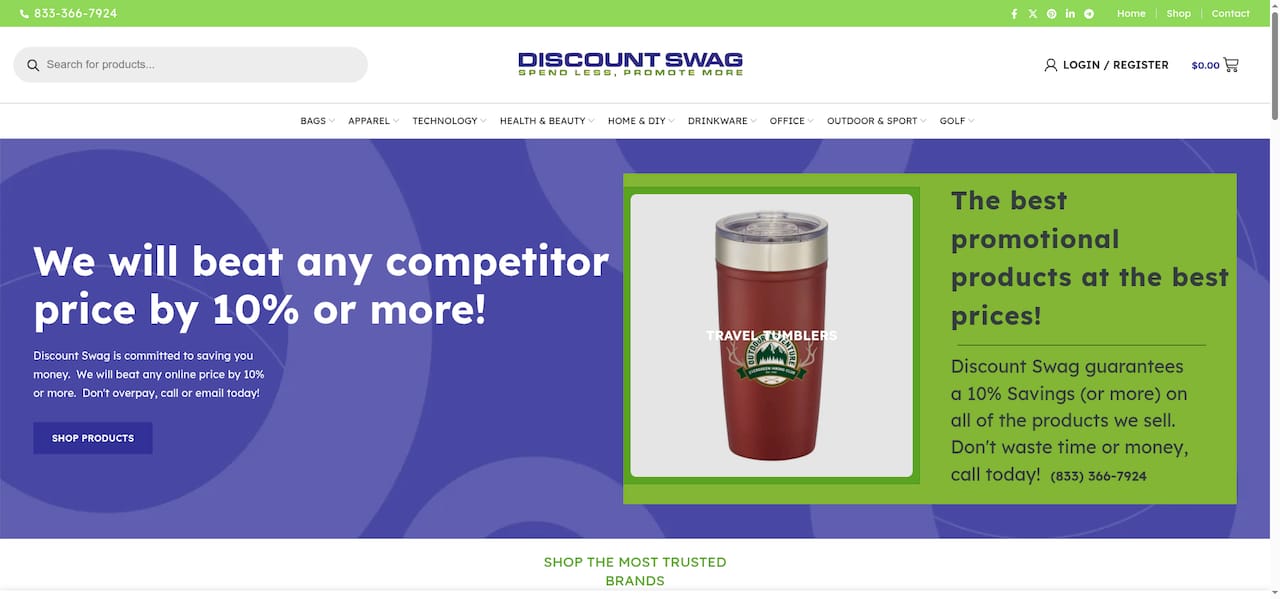
Knowing how to use swag in promotions is the first step. Finding the right products to execute that strategy is the next one. Discountswag supplies marketing teams and brand managers with a full range of corporate promotional products built for real campaign use. From bulk trade show giveaways to curated client gifting packages, the selection covers every tier of budget and audience. You can browse types of branded promotional products organized by campaign use case, or explore how branded merchandise increases conversions with current data behind each category. Whether you’re building your first swag program or refining one that’s already running, Discountswag makes it straightforward to order quality items at scale.
FAQ
What does swag stand for in marketing?
Swag stands for “Stuff We All Get,” though the formal industry term is promotional products. These are branded physical items distributed to generate awareness, build loyalty, and create lasting impressions with recipients.
Why is swag effective for brand marketing?
Swag generates thousands of impressions over its useful life at a fraction of a cent per impression, often outperforming digital ad channels. Research shows 76% of consumers are more likely to buy from a brand after receiving a promotional product.
What are the best swag items for marketing campaigns?
The most effective swag items combine daily usefulness with strong brand presentation. Tote bags, insulated drinkware, tech accessories like wireless chargers, and quality apparel consistently produce the highest retention and impression rates.
How should marketers measure swag ROI?
Swag ROI should be measured as a long-tail channel, tracking impressions and usage over months rather than expecting immediate conversions. Retention rate, recipient feedback, and pipeline activity following distribution are the most useful indicators.
How is swag different from branded merchandise?
Swag is typically given away broadly to generate awareness, while branded merchandise is usually sold and tied to fan or community identity. Branded gifts are more targeted and curated for individual relationship-building rather than mass distribution.
 Bottle Carriers
 Mugs
Mugs