

Best Materials for Branded Merchandise: 2026 Guide


Cotton, polyester, recycled polyester, Tencel, hemp, stainless steel, and bamboo are the best materials for branded merchandise in 2026. Each one earns its place for a different reason. Here is a quick reference before the full breakdown:
- Cotton — breathable, soft, takes screen printing and embroidery exceptionally well
- Polyester — moisture-wicking, dimensionally stable, ideal for dye sublimation and performance apparel
- Cotton/polyester blends — balance comfort with durability; the workhorse of everyday branded apparel
- Recycled polyester (rPET) — performs like virgin polyester, diverts plastic bottles from landfill, GRS-certifiable
- Tencel (lyocell) — silky hand feel, biodegradable, strong sustainability credentials for premium gifting
- Hemp — naturally durable, low-water crop, increasingly popular for tote bags and casual apparel
- Stainless steel (304/316-grade) — the standard for drinkware and desk accessories; food-safe and long-lasting
- Bamboo — rapidly renewable, harder than most hardwoods, laser engraves beautifully
The material you choose shapes how a recipient perceives your brand before they even read your logo. A flimsy tote or a warped plastic pen communicates something you probably did not intend. The sections below cover each material in depth, what drives the selection decision, and which products each material suits best.
What are the most common materials used in branded merchandise?
Cotton remains the leading material for promotional products as of early 2026, followed by plastic, reflecting both consumer preference and the sheer range of apparel and bag applications it covers. Understanding why each material dominates its category starts with knowing what it actually does.
Fabric materials
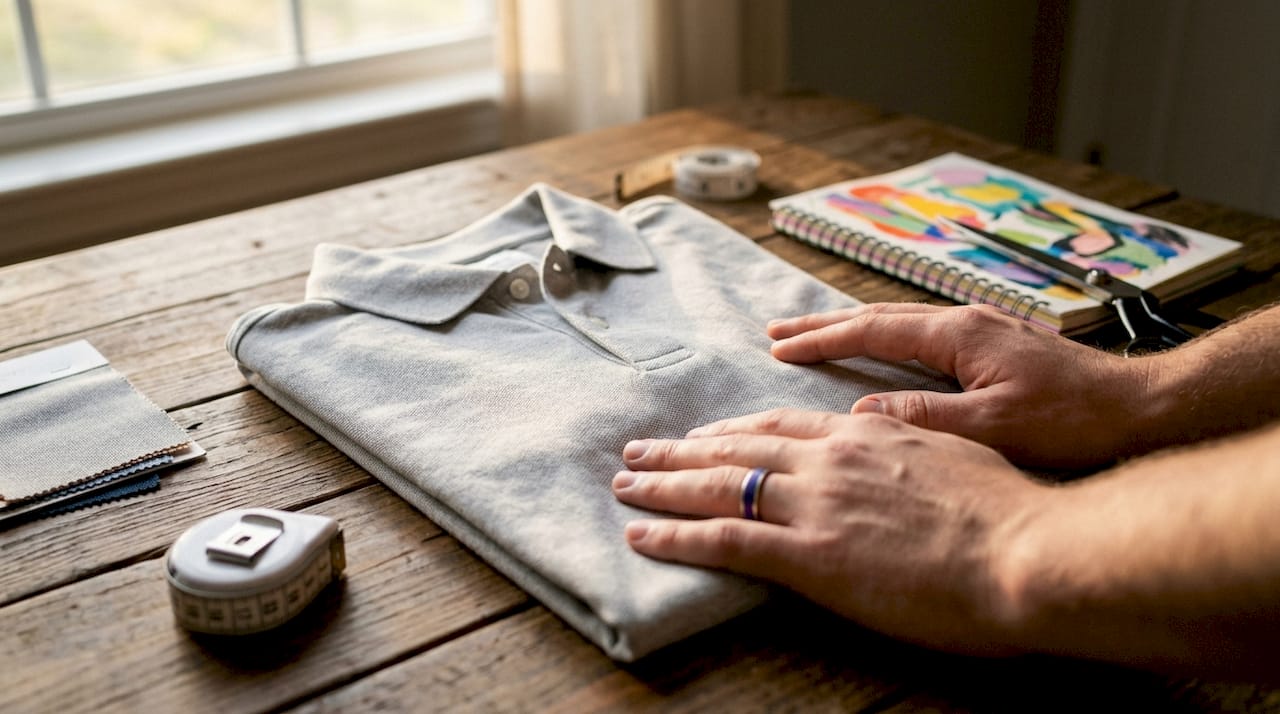
Cotton sets the standard for corporate apparel. Cotton piqué fabric is the preferred spec for premium polo shirts because it combines breathability with excellent ink retention. Pantone-matched screen printing inks bond well to cotton fibers, and the colors hold through repeated washing. For embroidery, cotton is the substrate of choice.
Polyester dominates performance and sportswear applications. It wicks moisture, dries fast, and stays dimensionally stable through heavy use. Its biggest technical advantage is dye sublimation compatibility: the sublimation process dyes the polyester fiber itself, producing full-color, wash-permanent prints that simply cannot be replicated on natural fibers.
Cotton/polyester blends balance comfort and durability, making them the most practical choice for everyday branded tees, hoodies, and casual uniforms. The blend ratio matters: a 60/40 cotton-poly mix leans comfortable; a 50/50 leans durable.
Recycled polyester (rPET) performs comparably to virgin polyester for apparel and bags. Each kilogram of rPET fabric diverts approximately 40–50 plastic bottles from landfill, and GRS (Global Recycled Standard) certification confirms the recycled content claim for brands that need to back up their sustainability messaging.
Tencel (lyocell) is produced from wood pulp using a closed-loop solvent process, meaning almost all the solvent is recovered and reused. The result is a fabric with a silky hand feel, good moisture management, and a biodegradable end-of-life profile. It costs more than cotton but positions well for premium or wellness-oriented branded gifts.
Hemp is one of the most resource-efficient natural fibers available. It requires minimal water and no synthetic pesticides, and the resulting fabric is naturally durable. Hemp canvas works well for tote bags and casual apparel, and it softens with use rather than degrading.
Hard goods materials
Stainless steel is the premium standard for drinkware and desk accessories. 304-grade stainless steel (18% chromium, 8% nickel) is the specification for quality insulated tumblers, premium pens, and business card holders. 316-grade offers superior corrosion resistance for outdoor or marine-adjacent use.
Bamboo is technically a grass, but it behaves like a hardwood in promotional product applications. It grows to harvestable size in 3–5 years versus 20–100 years for commercial hardwoods, and it accepts laser engraving with a warm, charcoal-brown mark that reads as high-quality craft.
ABS plastic is the most common engineering plastic in branded hard goods, covering pens, mobile accessories, and small desk items. It takes pad printing and UV printing well. One real limitation: standard ABS softens above 80°C, making it a poor choice for items likely to sit in a hot car.
Leather splits into two very different tiers. Genuine full-grain leather improves with age and signals long-term quality. Bonded leather is a composite of leather scraps and adhesive with a polyurethane surface coating; surface delamination over time is common, which is a problem when the item carries your brand name.
Material comparison at a glance
| Material | Durability | Printability | Sustainability | Relative cost |
|---|---|---|---|---|
| 100% cotton | Medium | Excellent (screen print, embroidery) | Moderate (organic = high) | Low–medium |
| Polyester | High | Excellent (dye sublimation) | Low (virgin); High (rPET) | Low |
| Cotton/poly blend | High | Very good | Moderate | Low |
| Tencel | Medium | Good | High | Medium–high |
| Hemp | High | Good | Very high | Medium |
| 304 stainless steel | Very high | Laser engraving, pad print | Moderate (recyclable) | Medium–high |
| Bamboo | High | Excellent (laser engraving) | Very high | Medium |
| ABS plastic | Medium | Very good (pad, UV print) | Low | Low |
| Genuine leather | Very high | Debossing, laser engraving | Low–moderate | High |
| Bonded leather | Low | Debossing | Low | Low |
What factors should you consider when choosing materials for branded merchandise?
Material selection is not just a sourcing decision. It directly affects how long a product lasts, how well your logo reproduces, and what the recipient thinks of your brand the moment they hold it. These are the factors that actually move the needle.
-
Durability and end-use context. A water bottle that will live in a gym bag needs double-wall stainless steel. A tote bag for a trade show giveaway can work in 280 GSM cotton canvas. Match the material’s lifespan to how the product will actually be used, not just how it looks in a product photo.
-
Printability and branding method compatibility. Laser engraving requires metals, wood, leather, glass, or acrylic to produce a clean mark. Screen printing requires fabric or flat hard surfaces. Dye sublimation only works on polyester. Choosing a product without confirming branding method compatibility can force a last-minute change to either the product or the decoration method.
-
Brand alignment and perceived quality. The material communicates before the logo does. A 200+ GSM cotton piqué polo reads premium. A thin polyester tee reads budget. For executive-level gifts, material authenticity and perceived craftsmanship greatly influence brand prestige; inexpensive composites can actively harm brand image.
-
Cost and budget. Stainless steel and genuine leather sit at the top of the cost range. ABS plastic and standard polyester sit at the bottom. The key is matching material tier to gift tier: a bonded leather notebook in an executive gift box sends a mixed message that a recipient will notice.
-
Care and maintenance. Cotton and cotton blends are machine washable, which extends their useful life. Stainless steel drinkware is dishwasher-safe at the 304-grade spec. Bamboo items generally require hand washing to preserve the surface finish. Products that are easy to care for stay in use longer, which means more impressions for your brand.
-
Sourcing and ethical manufacturing. GOTS-certified organic cotton, GRS-certified recycled polyester, and FSC-certified bamboo each provide third-party verification that the material meets a defined environmental or social standard. These certifications matter to recipients who will ask about them, and they protect your brand from greenwashing accusations.
-
Regulatory compliance. BPA-free plastics for drinkware, lead-free crystal for awards, and food-safe stainless steel grades are not optional for products that contact food or beverages. Confirm compliance before finalizing specs.
Pro Tip: Request a physical sample of the finished product, not just a digital proof, before approving a large order. The difference between a 180 GSM and a 220 GSM cotton polo is invisible on screen but immediately obvious in hand.
Why are sustainable materials reshaping branded merchandise in 2026?
The shift toward eco-friendly promotional materials is not a niche preference anymore. The use of recycled materials in promotional products increased from 22% in 2020 to 41% in 2023, signaling a major sustainability trend.
-
Recycled polyester (rPET) is the most accessible entry point. It performs identically to virgin polyester for most apparel and bag applications, costs only marginally more at scale, and carries a concrete environmental claim: each kilogram diverts roughly 40–50 plastic bottles from landfill.
-
Organic cotton (GOTS-certified) eliminates synthetic pesticides and fertilizers from the supply chain. It costs more than conventional cotton but positions well for brands in health, wellness, or consumer goods sectors where the certification carries real weight with recipients.
-
Recycled cotton uses post-industrial or post-consumer cotton waste, reducing water, energy, and pesticide inputs compared to virgin cotton. The texture can vary slightly, which makes it better suited to casual apparel and tote bags than to premium corporate uniforms.
-
Bamboo grows to harvestable size in 3–5 years, requires no pesticides, and regenerates from its root system without replanting. Sustainability-conscious corporate buyers increasingly select bamboo and recycled polyester products to signal environmental responsibility without sacrificing quality.
-
Hemp has one of the lowest environmental footprints of any natural fiber. It improves soil health, requires minimal irrigation, and produces a durable fabric that ages well.
-
Tencel uses a closed-loop production process that recovers and reuses almost all solvent, making it one of the cleanest manufactured fibers available. Its biodegradability at end of life is a genuine differentiator for brands with circular economy commitments.
The sustainability choice you make also affects how your brand is perceived by recipients. A recycled polyester bag with a GRS hang tag tells a story. A generic plastic bag does not. For brands tracking ESG metrics or responding to procurement sustainability requirements, eco-friendly promotional materials are increasingly a procurement requirement, not just a preference.
Which materials work best for each merchandise category?
The right material depends heavily on what the product is and how it will be used. Here is how the leading categories break down.
Apparel
Cotton is the default for premium branded apparel, and for good reason. A 200+ GSM cotton piqué polo shirt takes embroidery and screen printing well, feels noticeably better than a synthetic alternative, and communicates quality before anyone reads the logo. For performance apparel, event wear, or anything requiring all-over print, polyester or a polyester blend is the right call. Recycled polyester (rPET) is now widely available at comparable price points and adds a sustainability credential without changing the product’s performance profile.
For casual branded tees and hoodies, a 60/40 cotton-poly blend hits the sweet spot between softness and wash durability. If your brand positioning leans sustainable or premium, Tencel or organic cotton are worth the additional cost per unit.
Drinkware
304-grade stainless steel is the standard for quality insulated tumblers and bottles. It is food-safe, dishwasher-safe, and durable enough to last years of daily use, which translates directly into long-term brand impressions. For items that will be used outdoors or in demanding environments, 316-grade stainless steel offers superior corrosion resistance. Avoid single-wall steel or standard ABS plastic for drinkware intended as a premium gift; the difference in perceived quality is immediate.
BPA-free polypropylene (PP) is appropriate for budget-tier water bottles and containers where cost is the primary constraint. PP is generally recyclable (recycling symbol 5), which provides a modest sustainability talking point.
Bags and totes
Cotton canvas is the preferred material for branded tote bags, with 280–350 GSM being the standard range. Heavier canvas reads more premium and holds its shape better under load. Recycled cotton and rPET fabric are strong alternatives for brands with sustainability goals. Hemp canvas is durable and eco-friendly but less widely available and typically costs more.
For structured bags and backpacks, 600D polyester or rPET polyester provides durability and water resistance. Bamboo accents on bag hardware or zipper pulls add a premium, eco-conscious detail without significantly increasing cost.
Office and desk accessories
Bamboo dominates the premium desk accessory category for good reason: it laser engraves cleanly, looks distinctive, and carries a credible sustainability story. Bamboo pen sets, phone stands, and desk organizers have largely replaced plastic equivalents in the premium tier. Stainless steel works well for pens, business card holders, and small desk items where a more corporate, polished aesthetic is the goal.

For notebooks and journals, the cover material matters more than most buyers realize. Genuine full-grain leather improves with age and signals long-term quality. Bonded leather delaminates within 1–2 years, which means your brand name ends up on a product that looks worse over time.
Awards and recognition items
Lead-free crystal is the premium standard for corporate awards, producing the characteristic sparkle and surface polishability that make recognition items feel significant. Cast acrylic is the mid-tier option: it machines and polishes to a glass-like finish and accepts CO₂ laser engraving with a distinctive frosted-edge clarity. Standard extruded acrylic sits at the volume tier and is appropriate for high-quantity recognition programs where per-unit cost is the primary constraint.
How to choose the best material for your branded merchandise
Getting the material right is a process, not a single decision. These steps keep the selection grounded in what actually matters for your brand and your recipients.
-
Define your brand message and recipient profile. A tech startup gifting employees at an all-hands event has different requirements than a financial services firm sending executive welcome kits. The material needs to match the relationship and the occasion. A well-chosen branded product reinforces the message; a mismatched one undermines it.
-
Match the product category to material properties. Use the category breakdown above as a starting point. Drinkware needs food-safe, durable materials. Apparel needs comfort and wash durability. Awards need materials that communicate permanence. Do not default to the cheapest option in a category where material quality is immediately obvious to the recipient.
-
Confirm branding method compatibility before finalizing specs. If you want laser engraving, you need metal, bamboo, wood, leather, glass, or acrylic. If you want dye sublimation, you need polyester. Locking in a product before confirming the decoration method is one of the most common and avoidable production problems in branded merchandise.
-
Set sustainability criteria early. If your organization has ESG commitments or procurement sustainability requirements, specify certifications upfront: GRS for recycled content, GOTS for organic cotton, FSC for wood and bamboo. These certifications need to be confirmed at the sourcing stage, not added as an afterthought.
-
Align material tier with budget and gift tier. Budget more per unit for executive gifts and client-facing items where the material will be scrutinized. Volume giveaways for trade shows or events can use lower-cost materials without damaging brand perception, as long as the product is still functional and well-made.
-
Request physical samples. Digital proofs do not convey weight, texture, or print quality. A physical sample of the finished, branded product is the only reliable way to confirm that the material delivers the brand experience you intended.
Pro Tip: For premium gifting programs, ask your supplier for the material grade specification in writing, not just the product name. “Stainless steel tumbler” covers everything from 201-grade to 316-grade. The grade determines food safety, durability, and whether the product reflects well on your brand three years from now.
Discountswag works with brand managers and marketers to match corporate swag choices to the right material specs for every budget and occasion. The goal is always the same: a product that stays in use, keeps your brand visible, and does not end up in a drawer after a week.
Key Takeaways
Cotton and recycled polyester lead branded merchandise material selection in 2026, with sustainability certifications and branding method compatibility now as important as cost and durability.
| Point | Details |
|---|---|
| Cotton leads promotional products | Cotton is the top material for promotional products as of early 2026, valued for comfort, printability, and embroidery compatibility. |
| Recycled materials are growing fast | Use of recycled materials in promotional products rose from 22% in 2020 to 41% in 2023, signaling a major sustainability trend. |
| Material grade determines quality perception | 304-grade stainless steel is the standard for quality drinkware; bonded leather delaminates within 1–2 years and harms brand image. |
| Branding method must match material | Laser engraving requires metals, wood, leather, glass, or acrylic; dye sublimation only works on polyester fibers. |
| Align material tier with gift tier | A premium executive gift in a lower-tier material communicates a budget investment that does not match the relationship’s importance. |
 Bottle Carriers
 Mugs
Mugs