


How to Ship Swag to Multiple Addresses: Marketer’s How-To


For most marketing teams, the fastest path to shipping swag to multiple addresses is a multiship app like Send To Many or Giftship if you run a Shopify store, or a fulfillment partner like Discountswag if you need kitting, storage, or concierge handling. Both routes solve the same core problem: Shopify’s native checkout only supports one shipping address per order, so you need either an app that generates individual orders per recipient from a single payment, or a partner who handles pick-and-pack and ships direct to each address for you.
Your immediate next step:
- Self-serve route: Upload a recipient CSV to Send To Many or Giftship, validate addresses, and let the app generate per-recipient orders automatically.
- Managed route: Request a quote from Discountswag, share your recipient list and product specs, and hand off kitting, storage, and per-address fulfillment entirely.
- Manual route (small lists only): Place individual orders one at a time, or ship a bulk pallet to a single location for local distribution.
Key Takeaways
Shipping swag to multiple addresses requires either a multiship app that generates per-recipient orders from a single payment, or a fulfillment partner that handles kitting, storage, and per-address shipping end to end.
| Point | Details |
|---|---|
| Choose your method by scale | Multiship apps suit dozens to thousands of self-managed sends; fulfillment partners suit high-volume or recurring programs. |
| Validate addresses before fulfillment | Run validation before any order is created to prevent failed deliveries, returns, and reshipping costs. |
| Budget for per-recipient costs | Shipping, kitting, and app fees stack per address; international sends add duties and customs handling. |
| Collect addresses close to ship date | Stale addresses are the leading cause of delivery failures; confirm recipient data within days of your send. |
| Discountswag as your fulfillment partner | Discountswag handles kitting, storage, rush shipping, and multi-address distribution for marketing teams. |
Table of Contents
- How can you ship swag to multiple addresses? Three methods compared
- Step-by-step checklist to execute a multi-address swag send
- What do Send To Many and Giftship actually do that Shopify cannot?
- What does it actually cost to send swag to multiple addresses?
- How do lead times and rush shipping work at scale?
- How do kitting and personalization affect cost and brand impact?
- How do you fix common multi-address shipping failures?
- Why do marketing teams choose a fulfillment partner for multi-address sends?
- Discountswag handles your entire multi-address send
- A distributor’s perspective on what actually goes wrong
- Sources
How can you ship swag to multiple addresses? Three methods compared
The right method depends on your headcount, timeline, and how much you want to manage yourself. Here is how the three main approaches break down.
Method A: Multiship apps (self-serve)
Apps like Send To Many and Giftship plug into your Shopify store and change how checkout works. Instead of one order going to one address, the buyer completes a single payment and the app generates a separate Shopify order for each recipient. Shipping rates and taxes are calculated per destination, and addresses are validated before any order is created. This approach works well for marketing teams sending to multiple recipients who want to stay in control of product selection and timing.
Method B: Fulfillment partner or distributor
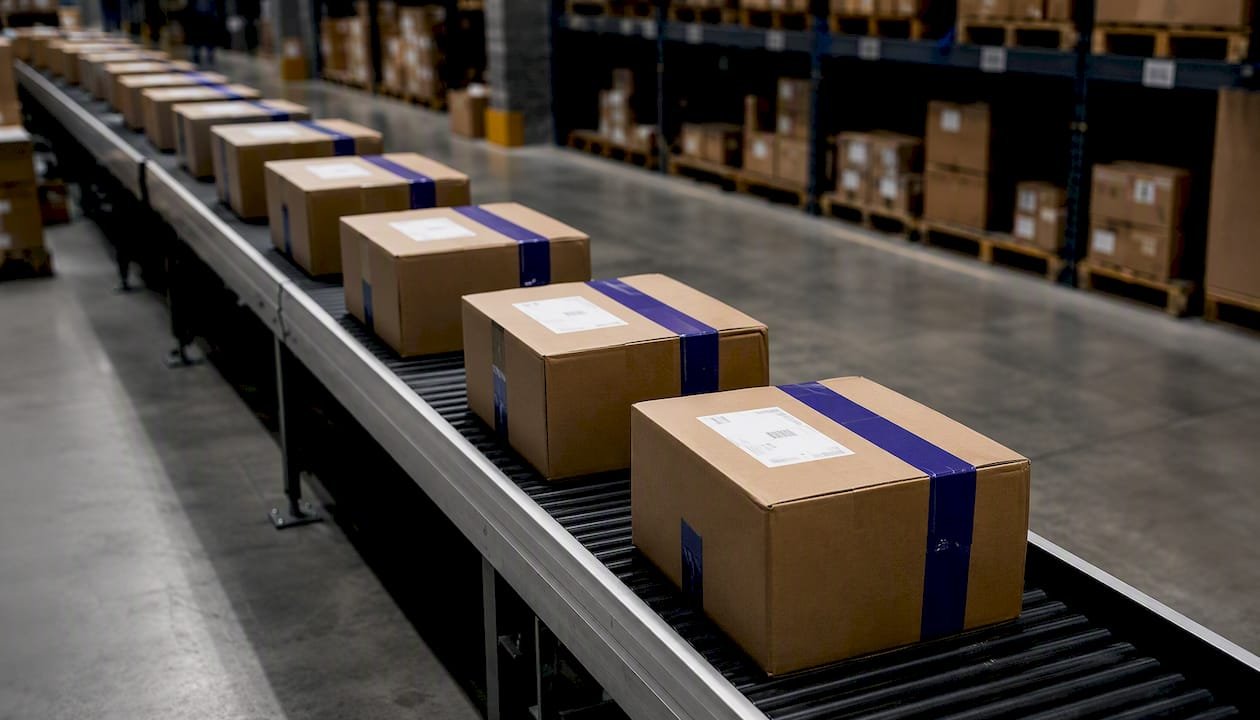
A fulfillment partner like Discountswag handles the physical side: receiving your inventory, kitting items into branded boxes, labeling individual packages, and shipping to each address on your list. Specialized swag fulfillment centers add pick-and-pack, climate-controlled storage, on-demand kitting, and global logistics. This is the right call for high-volume campaigns, recurring programs (quarterly sends, onboarding kits), or any time you want someone else managing carrier relationships and returns.
Method C: Manual split or single-address bulk shipping
For very small lists, say under ten recipients, placing individual orders manually or shipping a bulk quantity to one office for local distribution is workable. The tradeoff is obvious: it does not scale, tracking is fragmented, and any personalization has to happen on your end.
| Dimension | Multiship app | Fulfillment partner | Manual split |
|---|---|---|---|
| How it works | One payment, per-recipient Shopify orders | Partner kits and ships per address | Individual orders or bulk-to-one |
| Ease of setup | Medium (CSV upload, app config) | Low effort for buyer (partner handles it) | Low setup, high manual effort |
| Scale | Dozens to thousands | Hundreds to tens of thousands | Under 10 recipients |
| Inventory and kitting | Buyer manages inventory | Partner stores and kits | Buyer manages entirely |
| Address validation | Built into app before order creation | Partner validates or flags bad rows | Manual, error-prone |
| Turnaround | Depends on fulfillment workflow | SLA-backed, rush options available | Slowest at scale |
| Pricing model | Per-recipient app fee plus shipping | Per-unit kitting, storage, shipping | Standard retail shipping rates |
Step-by-step checklist to execute a multi-address swag send
Getting this right before you touch a CSV saves hours of cleanup later.
-
Define scope. Confirm headcount, budget per recipient, personalization level (same item for everyone vs. variable), and any weight or size limits that affect carrier selection.
-
Choose your address collection method. Three options work well at scale, per corporate gifting best practices: a secure intake form you send to recipients, a CSV template you pre-populate from your HR or CRM system, or a recipient self-serve redemption link where each person enters their own address at checkout. The redemption model is worth considering if you are sending gifts to remote employees and prefer not to hold home addresses in your own systems.
-
Standardize your CSV fields. Required fields for most multiship workflows: first name, last name, address line 1, address line 2 (optional), city, state/province, ZIP/postal code, country, email, phone (for carrier notifications), SKU or item variant, gift message (optional). Keep one recipient per row and strip any merged cells or special characters before upload.
-
Run address validation. Before any order is created, run the list through your app’s built-in validator or a third-party tool. Flag rows with missing ZIP codes, ambiguous street names, or P.O. Box addresses that certain carriers will not deliver to. Fix bad rows now, not after labels print.
-
Map CSV fields to order fields. In Send To Many or Giftship, match each column header to the corresponding order field: SKU to product variant, gift message column to the order note field, ship date to the scheduled fulfillment date.
-
Set fulfillment and packaging instructions. Specify kitting requirements (items bundled together or shipped separately), packaging type (poly mailer vs. box), and any insert or label requirements. If you are using a fulfillment partner, send a written spec sheet, not just a verbal brief.
-
Trigger the send and monitor progress. Send To Many processes batches and shows progress on a Send summary page, which is useful when you are pushing thousands of orders. Watch for failed address validations or payment errors before the batch completes.
-
Send recipient communications. Trigger a confirmation email to the buyer and a shipping notification with a tracking number to each recipient as orders ship.
Pro Tip: Before uploading your full list, run a test batch of five to ten addresses, including at least one international address if applicable. This catches CSV mapping errors, tax calculation surprises, and carrier mismatches before they affect your entire campaign.
What do Send To Many and Giftship actually do that Shopify cannot?
Shopify’s standard checkout is built for one order, one shipping address. That is a hard platform constraint, not a configuration setting. Both Send To Many and Giftship exist specifically to work around it.
Send To Many creates a single buyer transaction that automatically generates individual Shopify orders per recipient. Addresses are validated before any order is created, and shipping and tax are calculated per recipient destination. The app can handle sends ranging from a handful of recipients to several thousand, with batch processing and a progress dashboard. Each recipient gets their own order number and tracking link, which keeps your fulfillment workflow clean and your reporting accurate.
Giftship takes a similar approach to multi-address shipping, letting buyers create unique shipments to multiple addresses from a single operation. It is built with gift-focused UX in mind, which makes it a natural fit for campaigns where the recipient experience matters as much as the logistics.
A few integration points worth knowing before you commit to either app:
- Tax engine compatibility: Both apps calculate tax per recipient address, but for complex multi-state or international tax scenarios, you may need a third-party tax engine like Avalara to handle edge cases accurately.
- Inventory reservation: Orders are generated in sequence, so confirm your inventory levels before triggering a large batch. A stockout mid-batch creates partial sends that are painful to reconcile.
- Webhook handling: Large sends generate a high volume of Shopify webhooks. If you have other apps listening to order-created events, test for conflicts before running a full campaign.
- Reporting: Each recipient order appears as a separate line in your Shopify order dashboard, which is accurate but can look alarming if you are not expecting it. Filter by the Send summary tag to group them.
What does it actually cost to send swag to multiple addresses?
The honest answer: more than most marketers budget for the first time. Here is where the money goes.
Primary cost drivers:
- Per-recipient shipping: Every address is a separate shipment. Ground rates for a standard box vary by zone and weight, and they add up fast across a large list.
- Kitting and assembly: Bundling multiple items into a single branded box costs labor. Vendors typically charge per kit, and complexity (tissue paper, inserts, custom tape) adds to that.
- Personalization: Printed gift messages or variable items per recipient cost more than a uniform send. Imprint setup fees may apply per SKU.
- Storage and inventory holding: If your partner warehouses your items before the send, expect a monthly storage fee based on cubic footage or pallet positions.
- App or platform fees: Multiship apps charge per recipient, per order, or via a monthly subscription. Check whether the fee applies to test orders too.
- International duties and taxes: Cross-border shipments add customs fees, import duties, and potential VAT depending on destination country. These are almost never included in a vendor’s base quote.
- Rush surcharges: Compressed timelines cost more at every stage: expedited production, air freight, and priority kitting all carry premiums.
As swag fulfillment vendors explain, fulfillment fees and shipping fees are typically priced separately. A vendor’s “fulfillment fee” usually covers pick-and-pack and kitting; the shipping charge is added on top based on carrier rates and destination zone.
Questions to ask any vendor before signing off:
- What is your minimum order quantity for multi-address fulfillment?
- Do you charge a per-address fee, and does it apply to domestic and international addresses equally?
- How do you handle returns? Who pays return shipping, and what is the restocking process?
- What is your rush surcharge, and what is the shortest lead time you can commit to?
- How do you handle customs documentation for international shipments?
- Is storage billed monthly or per-send, and what triggers a storage fee?
For a rough framework: a 100-recipient domestic send with a mid-range branded kit, standard ground shipping, and basic kitting will typically involve per-unit product cost, a per-kit assembly fee, and a per-shipment carrier charge. Multiply each by 100, add any setup or design fees, and that is your floor. International recipients can double or triple the per-unit shipping cost depending on destination. See Discountswag’s swag cost reduction guide for practical ways to bring that number down without cutting brand impact.
How do lead times and rush shipping work at scale?
Timeline is where multi-address campaigns most often go sideways. A few realities to plan around.
Typical lead times:
- Ship-from-stock fulfillment (items already warehoused): 2–5 business days from order trigger to first shipments going out, assuming address validation is clean.
- Kitting from received inventory: Add 3–7 business days for assembly, depending on kit complexity and volume.
- Custom or decorated items: Production lead times run 7–15 business days before fulfillment even starts. Rush production is available but carries a premium.
Batching at scale: Send To Many batches large sends and reports progress on a summary page, so you can monitor order generation in real time rather than waiting for a completion notification. For fulfillment partners, ask how they stage large sends: do they ship as kits are completed, or hold everything for a coordinated release date?
Rush options: Most fulfillment partners offer rush tiers, typically 24-hour or 48-hour kitting with expedited carrier service. Expect a surcharge on both the fulfillment and shipping sides. Air freight for international rush orders can be significant.
Peak season: Q4 is brutal. Holiday shipping volume compresses carrier capacity and extends transit times across every carrier. If your campaign lands between mid-November and late December, add at least three to five business days to every estimate and confirm inventory availability early. Read Discountswag’s guide on shipping swag kits without delays for specific tactics to protect your timeline.
How do kitting and personalization affect cost and brand impact?
The packaging decision is where most campaigns either land or fall flat. A branded box with a tissue paper insert and a handwritten-style note card hits differently than a poly mailer with a packing slip.
Kitting options:
- Pre-kitted inventory: Items assembled into finished kits before storage. Fastest to ship, but inflexible if you need to swap items per recipient.
- On-demand kitting: Items stored separately and assembled per order at fulfillment time. Slower, but allows variable kits (different items for different recipients or tiers).
- Mixed-item kits: Multiple SKUs per box. Each additional item adds weight, which affects carrier tier and cost. Weigh a sample kit before finalizing your item list.
Personalization best practices:
- Gift messages are low-cost and high-impact. Most multiship apps and fulfillment partners support per-recipient message fields.
- Variable items per recipient (e.g., size-specific apparel, department-specific gifts) require clean data in your CSV and clear SKU mapping. One mapping error sends the wrong item to the wrong person.
- Imprint personalization (a recipient’s name printed on the item itself) is expensive and slow. Reserve it for high-value recipients or executive sends.
Packaging choices: A rigid mailer protects better than a poly bag but costs more to ship by dimensional weight. If your kit includes fragile items like drinkware, the box is not optional. For apparel-only sends, a branded poly mailer often hits the right balance of cost and presentation. Browse Discountswag’s corporate gift sets for examples of kitted options that balance brand impact with practical shipping dimensions.
Pro Tip: Request a physical sample kit and run it through your carrier’s rate calculator before finalizing packaging. Dimensional weight pricing means a lightly packed box can cost as much to ship as a heavy one. A small packaging adjustment can save meaningful money across hundreds of shipments.
How do you fix common multi-address shipping failures?
Even well-planned campaigns hit problems. Here is what goes wrong most often and how to resolve it fast.
Common failures:
- Bad addresses: The single biggest source of failed deliveries. Apartments without unit numbers, transposed ZIP codes, and outdated addresses all cause returns. Validate before you ship, not after.
- Carrier delivery failures: Carriers attempt delivery and leave a notice; recipients miss it and the package is returned. Include recipient phone numbers in your data so carriers can send SMS notifications.
- Customs holds: International shipments without complete customs documentation (HS codes, declared value, commercial invoice) get held at the border. Work with your fulfillment partner to prep paperwork before the shipment leaves.
- Mismatched SKUs: A CSV mapping error sends the wrong variant (wrong size, wrong color) to a recipient. Run a sample batch first and spot-check the output orders before triggering the full send.
- Missing gift messages: If the gift message field is blank in your CSV, the app or partner has nothing to print. Audit your data for empty message rows before upload.
Troubleshooting checklist:
- Re-validate any address that generated a carrier exception before reshipping.
- For international failures, check whether the carrier used supports delivery to that country and whether customs documentation was complete.
- For SKU mismatches, pull the original CSV and compare the order output side by side. Correct the mapping and reprocess affected orders.
- For returns, confirm your vendor’s policy: most fulfillment partners charge return shipping back to the warehouse, and restocking fees may apply.
Recipient communication templates to keep ready:
- Delay notice: “Your [Brand] gift is on its way but has experienced a short delay. Your updated tracking link is [link]. We appreciate your patience.”
- Address clarification: “We want to make sure your gift reaches you. Could you confirm your delivery address? Reply to this email or update it here: [link].”
Address privacy is worth a separate mention. If you are collecting home addresses from employees, consider a redemption model where recipients enter their own address at the point of choice. It reduces your data liability and removes the awkward step of asking HR for home address lists.
Why do marketing teams choose a fulfillment partner for multi-address sends?
The honest reason is project management time. Handling kitting, carrier relationships, address validation, and returns in-house for a 500-recipient send is a part-time job. A fulfillment partner absorbs that work.
Core benefits of working with a partner:
- SLA-backed turnaround commitments, including rush options with defined lead times
- Professional kitting with quality checks before shipment
- Per-recipient tracking numbers generated automatically
- Returns handled at the warehouse, not your office
- Secure address data handling with defined retention policies
- Global shipping capability for international recipient lists
Discountswag handles swag fulfillment for marketing teams that need kitting, storage, rush shipping, and multi-address distribution without managing it internally. The swag fulfillment guide for business buyers covers how the workflow operates end to end.
Questions to ask any fulfillment partner before committing:
- What is your turnaround SLA for standard and rush kitting?
- How do you validate addresses, and what happens when one fails?
- How do you charge for per-recipient shipments: flat fee, zone-based, or carrier pass-through?
- How do you handle customs documentation for international sends?
- What is your data security policy for recipient address lists, and how long do you retain that data?
- What does your returns process look like, and who absorbs the cost?
For large campaigns, letting a fulfillment partner manage kitting and returns typically reduces total project management time, even when per-unit costs are comparable to a self-managed approach.
Discountswag handles your entire multi-address send
Shipping branded swag to dozens or hundreds of addresses does not have to mean managing spreadsheets, carrier accounts, and kitting logistics yourself.
Discountswag manages the full workflow for marketing teams: product sourcing and customization, inventory storage, on-demand kitting, address validation, per-recipient shipping with individual tracking numbers, and returns handling. Whether you are sending promotional items to remote employees across the country or distributing branded kits for a product launch, Discountswag handles the physical execution so your team stays focused on the campaign itself. Rush orders are available for compressed timelines. Request a quote at Discountswag and share your recipient count, product list, and target ship date to get started.
A distributor’s perspective on what actually goes wrong
Most multi-address campaigns do not fail because of the shipping. They fail because of the data. A recipient list with inconsistent address formatting, missing apartment numbers, or stale addresses from a CRM that has not been cleaned in two years will generate a wave of carrier exceptions that no app or fulfillment partner can fix after the fact.
The teams that run the smoothest campaigns do three things differently. First, they collect addresses close to the ship date, not weeks in advance, because people move. Second, they send a confirmation email to every recipient before the campaign ships, asking them to verify their address. That single step catches more bad addresses than any validation tool. Third, they build in a buffer: at least five business days between address collection close and the fulfillment trigger, so there is time to fix problems without rushing.
The other thing worth saying plainly: a redemption model, where recipients enter their own address when they claim their gift, is underused. It solves the privacy problem, the stale-address problem, and the “I don’t have everyone’s home address” problem in one move. It is not right for every campaign, but for remote employee sends or client gifts, it is often the cleaner path.
Sources
- How Do Multi-Recipient Orders Work on Shopify? | Send To Many Help
- Ship To Multiple Addresses – Giftship
- How to Send Corporate Gifts to Multiple Addresses
- Swag – Priority Fulfillment
 Bottle Carriers
 Mugs
Mugs