

How to Source Bulk Giveaways Without Overspending

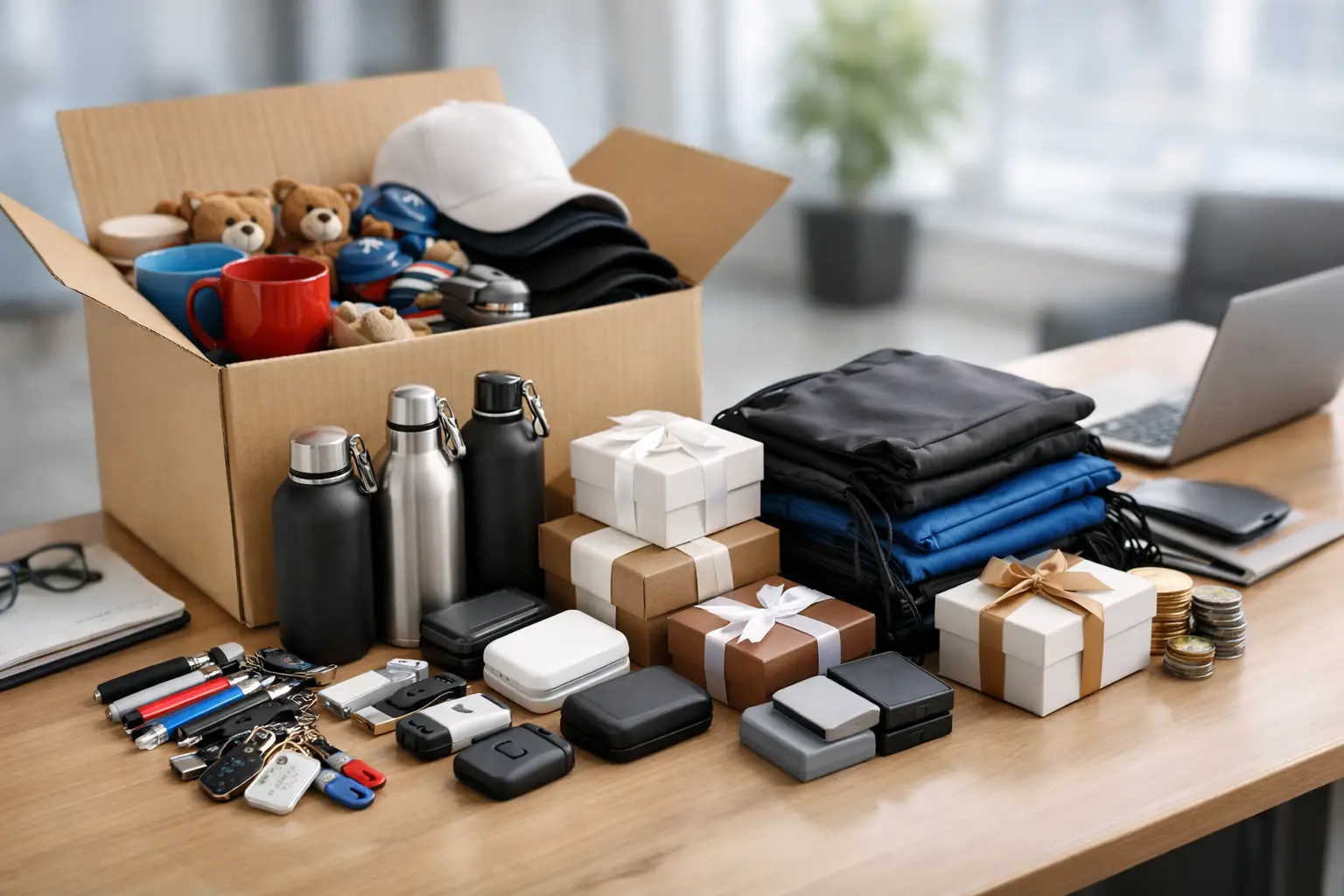
A trade show opens in three weeks. Your new-hire kits need to reach employees in six states. The sales team wants something useful for a client event, but the budget has not moved. Knowing how to source bulk giveaways means balancing unit cost, brand fit, lead time, and fulfillment before one of those pressures turns into an expensive last-minute problem.
The right giveaway is not always the cheapest item. It is the item recipients will keep, use, and associate with your company, purchased at a price that works at scale. A smart sourcing process protects your budget without settling for products that feel disposable or arrive too late to matter.
Start With the Job the Giveaway Needs to Do
Before comparing products, define the campaign outcome. A giveaway for a crowded conference booth has different requirements than a welcome gift for a remote employee or a thank-you item for top customers. When the purpose is clear, product decisions become faster and less subjective.
For lead generation, prioritize portable, broadly useful items that are easy to hand out. Pens, tote bags, phone accessories, and drinkware can work well because they solve everyday needs and offer visible logo placement. For employee recognition or client gifting, perceived value matters more. Recognizable drinkware, quality apparel, premium bags, and curated gift sets can create a stronger impression at a higher but more defensible cost per recipient.
Also decide what action or feeling you want to create. Do you need people to remember your booth, welcome a new colleague, celebrate a milestone, or keep your brand visible on a desk or commute? That answer should guide the product category, decoration method, and spend.
Set a Real All-In Budget Before You Shop
A low catalog price is only one part of the total cost. Build your budget around the delivered, decorated item rather than the blank product. Include setup charges, decoration, shipping, sales tax where applicable, rush production, individual packing, and distribution to multiple locations.
This step matters most for large or heavy products. A low-cost insulated bottle may look attractive until freight is added. A compact tech accessory may cost more per unit but ship efficiently and provide better value for a nationwide campaign. The best choice depends on your quantity, delivery locations, and how long you need the item to remain useful.
Set a target cost per recipient and a maximum all-in ceiling. Then reserve a small contingency, especially for time-sensitive events. It gives your team room to approve a better color, upgrade a decoration method, or cover a shipping change without restarting the entire order.
Choose Products People Will Actually Keep
Bulk does not have to mean forgettable. Useful products generally outperform novelty items because they stay in circulation longer. Every use becomes another brand impression, which is where promotional merchandise earns its value.
Start with categories that match the recipient and setting. Drinkware is a dependable option for employees, customers, and event attendees. Tote bags are practical for conferences and retail-style events. Apparel can build team pride, but sizing and style preferences add complexity. Desk accessories and technology items fit office-focused audiences, while outdoor gear and golf products can make sense for appreciation programs or relationship-driven events.
Think about brand alignment as well. A financial firm may want a polished notebook and quality pen. A wellness brand may choose a water bottle, fitness accessory, or self-care item. A company with a bold, playful identity may get more mileage from bright colors or an unexpected product, provided it still has a clear use.
Avoid buying solely because an item has the lowest unit price. Poorly made products, weak print quality, and cluttered designs can cost less upfront while making a poor impression. Request a sample when the product is unfamiliar, the order value is significant, or the giveaway represents a major customer-facing moment.
How to Source Bulk Giveaways From the Right Supplier
The supplier should make the order easier to manage, not add another layer of follow-up. Look beyond product selection and compare the support behind the catalog. A capable promotional merchandise partner can help narrow options, confirm decoration details, identify quantity price breaks, and plan shipping around your deadline.
Ask direct questions before you commit. What is the production time after proof approval? Is the item available in the colors and quantities you need? What decoration methods are available, and what are the setup charges? Can the supplier provide a pre-production proof? If recipients are spread across the country, can the order be packed and shipped to individual addresses or multiple offices?
A supplier with broad category depth gives you useful flexibility. Instead of forcing an event into one product type, you can compare a branded tumbler, tote bag, power bank, notebook, or gift set against the same budget and campaign goal. That makes it easier to find the right mix of price, quality, and delivery requirements.
Price comparisons should be fair comparisons. Match the same quantity, product specifications, imprint colors, decoration locations, and freight assumptions. A quote that looks cheaper can change quickly if it excludes setup or uses a slower production schedule. Discount Swag is built for this kind of value-focused purchasing, with a promise to beat a competitor’s online price by 10% or more while maintaining curated product quality.
Use Quantity Breaks Strategically
Promotional products are priced by quantity because setup and production costs are spread over more units. Moving from 100 to 250 pieces can materially lower the unit price. But ordering extra inventory only saves money when you have a realistic plan for it.
Check whether the same product can support several upcoming needs. A versatile branded pen, mug, tote, or polo may work for onboarding, events, sales visits, and employee appreciation. If your logo and message will remain current, a larger order can reduce repeat setup costs and give your team ready inventory for the next request.
Do not overbuy products tied to a date, campaign slogan, office location, or fast-changing brand identity. A few cents saved per item is not a win if boxes of obsolete merchandise end up in storage. For seasonal programs, limited-edition gift boxes, or event-specific graphics, order closer to the confirmed attendee count and include a sensible overage.
Keep Artwork Simple and Approval Fast
Good swag starts with clean artwork. Supply a high-resolution vector logo whenever possible and confirm brand colors before production. Small products have limited decoration areas, so a detailed lockup, long tagline, or tiny type may not reproduce clearly.
One-color artwork is often a cost-efficient choice for high-volume giveaways. It can look sharp on bags, pens, notebooks, and drinkware when the logo has enough contrast. Full-color printing may be worth the added spend for products where visual impact is central, such as photo-quality gifts, retail-style packaging, or designs with multiple brand elements.
Treat the proof as a production checkpoint, not a formality. Review spelling, placement, imprint color, product color, and dimensions. Confirm that the proof reflects the exact item selected, particularly when similar products have different printable areas. A quick, careful approval prevents the most costly kind of error: a large order that is technically produced but unusable.
Plan Delivery From the Beginning
Lead time is part of sourcing, not an afterthought. Most custom products require time for artwork review, proof approval, production, and transit. Add a buffer for inventory shifts, large quantities, holiday shipping volume, and internal approvals.
For a single event, centralized delivery is usually the simplest route. Make sure someone can receive, count, and store the shipment before setup day. For remote teams, field sales groups, or customer appreciation campaigns, individual fulfillment may be the better option. Branded boxes can be assembled and shipped directly to recipients, saving internal teams from packing hundreds of kits by hand.
If timing is tight, be transparent about the in-hands date from the first conversation. A supplier can only recommend realistic rush options when they know the actual deadline, ship-to ZIP codes, and quantity. A slightly different item, color, or decoration method may be available faster without sacrificing the purpose of the campaign.
Make the Final Choice With a Practical Scorecard
When several products look promising, score each option against the factors that affect results: recipient usefulness, all-in cost, perceived quality, logo visibility, production lead time, shipping complexity, and reuse potential. This prevents one appealing feature, such as a low unit price or trendy color, from carrying too much weight.
The strongest bulk giveaway programs are planned early, priced completely, and sourced from partners who can handle the details. Give your team enough time to compare smart options, approve accurate artwork, and select merchandise people will be glad to receive. That is how a bulk order becomes a cost-controlled brand investment instead of another box of leftovers.
 Bottle Carriers
 Mugs
Mugs