

Logo Apparel Buying Guide for Bulk Orders

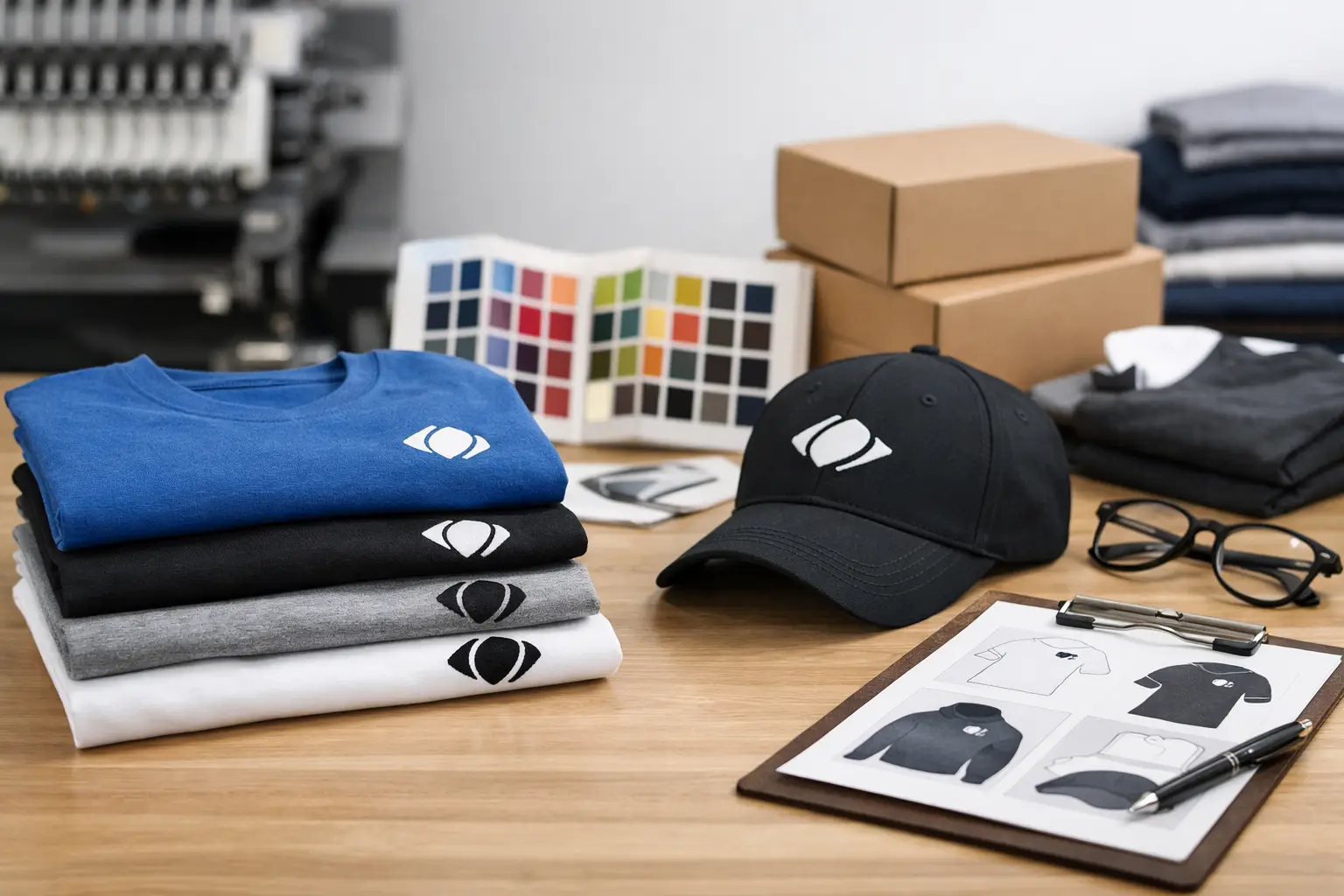
A branded shirt that looks great in a product photo can become an expensive disappointment when the fabric feels thin, the logo cracks after two washes, or half the team receives the wrong size. This logo apparel buying guide is built for business buyers who need apparel that protects the budget, represents the brand well, and arrives ready for the real job – whether that is a trade show floor, a new-hire kit, a sales kickoff, or an employee recognition program.
The right order is not always the lowest-priced shirt. It is the item with the right wearability, decoration method, sizing plan, and delivery schedule for your campaign. Start with the use case, then make product and imprint decisions that keep costs predictable.
Start With the Job the Apparel Must Do
Logo apparel works harder when it is selected for a specific audience and setting. A heavyweight hoodie can make an excellent employee gift in winter, but it is not the best giveaway for a sunny outdoor event. A polished polo may fit a customer-facing sales team, while a soft tri-blend tee is more likely to be worn voluntarily after a casual company outing.
Ask how long recipients are expected to keep and wear the item. For a one-day promotional event, a budget-friendly cotton tee may deliver the reach you need. For uniforms, client-facing teams, or milestone gifts, spending more on fabric, fit, and decoration is usually the better value because the apparel will be seen repeatedly.
Consider where the logo will appear in real life. Dark shirts can make light artwork stand out, but may require an underbase for screen printing. Performance fabric is useful for active teams and warm-weather events, yet it often needs a decoration method designed for synthetic materials. These details affect both appearance and cost.
Choose the Right Apparel Category
The most practical apparel category depends on your audience, season, and brand position. T-shirts remain the volume leader because they are flexible, affordable, and easy to distribute. They work for recruiting events, community campaigns, trade show staff, and large employee groups.
Polos deliver a more professional look for sales teams, golf events, hospitality staff, and customer meetings. They are also a strong choice when apparel needs to function as a light uniform without feeling overly formal. Look for options with moisture-wicking fabric when the wearer will be active or outdoors.
Hoodies, quarter-zips, and jackets offer higher perceived value. They are popular for employee appreciation, executive gifts, remote-team kits, and cooler-weather events. The trade-off is higher unit cost, larger shipping packages, and a greater need for accurate sizing.
Headwear can be a smart addition when shirt sizing is difficult or when you want a lower-cost branded item that gets frequent use. Caps, beanies, and visors also pair well with a broader event apparel program. For a coordinated order, limit your color palette so every item supports the same visual identity.
Fabric Weight and Feel Matter
Fabric is one of the fastest ways recipients judge quality. Lightweight tees are cost-effective and breathable, but they can feel less substantial. Midweight cotton shirts offer a dependable balance for most corporate programs. Heavier garments feel more premium and tend to hold their shape, though they cost more and may feel too warm for some locations.
Cotton is familiar, comfortable, and highly suitable for screen printing. Blends can improve softness, stretch, and durability. Polyester and performance fabrics manage moisture well, making them a practical choice for athletic events, field teams, and outdoor crews. There is no universal winner. Match the fabric to the workday and climate your recipients actually experience.
Match Your Logo to the Decoration Method
A good apparel choice can still fail if the decoration method does not fit the artwork. Your logo size, number of colors, garment material, and order quantity should drive this decision.
Screen printing is usually the most economical choice for larger quantities and simple artwork. It produces bold, durable color on tees, sweatshirts, and many cotton-blend garments. Costs generally rise with each print color and print location, so a one-color chest logo is far more budget-friendly than a full-color front and back design.
Embroidery creates a polished, dimensional finish that works especially well on polos, jackets, hats, and workwear. It is a strong fit for smaller left-chest logos and designs with clean shapes. Very small type, fine gradients, and intricate details can lose clarity when stitched, so simplify artwork when necessary.
Full-color transfer options are useful for detailed logos, photos, gradients, and smaller runs. They can reproduce complex designs accurately, including artwork that would be costly to screen print. The feel on the garment varies by process, so request clear guidance when softness is a priority.
Before approving production, confirm the final logo dimensions and placement. A logo that is too small can disappear across a large hoodie chest. One that is too large can look promotional rather than professional. For most business apparel, a restrained left-chest imprint or a centered front design offers the safest balance of visibility and wearability.
Build a Sizing Plan Before You Order
Sizing is where otherwise well-planned apparel orders can create waste. Do not assume every style fits the same. Fashion-forward cuts, unisex garments, women’s styles, youth options, and outerwear can all size differently.
For a known recipient list, collect sizes before placing the order. This is the best way to avoid leftover inventory and reorders. For open events or general staff distribution, use a size curve based on your audience and leave room for a few extended sizes. If your order includes both men’s and women’s cuts, label distribution clearly so recipients do not have to guess.
A simple ordering brief should include at least these four items:
- Garment style, color, and fabric preference
- Decoration location, size, and number of logo colors
- Size breakdown and any individual-name personalization
- Required in-hand date and delivery locations
That information prevents the most common delays: artwork revisions, stock substitutions, incomplete size counts, and missed shipping details.
Control Cost Without Buying Disposable Apparel
Price matters, especially when ordering for hundreds of employees or event attendees. But the lowest unit price can become a poor purchase if recipients never wear the item. Focus on total value: garment quality, print durability, shipping requirements, setup charges, and the likelihood that the item stays in rotation.
Keep your logo design efficient. Reducing the number of screen print colors, choosing one imprint location, and using standard garment colors can lower costs significantly. Ordering a larger quantity can also improve the price per piece, but only when you have a realistic plan to use the inventory.
Be careful with bargain apparel that does not match your brand standard. A flimsy shirt can communicate the wrong message to valued employees or clients. For higher-visibility programs, choose trusted apparel options and save through smart decoration choices, bulk ordering, and consolidated shipping instead.
Discount Swag helps business buyers compare branded apparel options across budgets while keeping the sourcing process focused on price, quality, and dependable fulfillment.
Plan Production and Shipping Backward From Your Event
Apparel is often tied to a fixed date, which makes timeline planning non-negotiable. Your in-hand date is not the same as the production start date. Account for artwork approval, inventory availability, decoration time, freight transit, and any individual packing or multi-location distribution.
For trade shows and company events, build in a cushion for unexpected stock changes or shipping interruptions. Popular colors and sizes can sell through quickly, particularly around major event seasons. If your event date is close, be open to comparable garment styles or colors that can meet the deadline without sacrificing a professional look.
Distributed teams require another layer of planning. Individual shipping is convenient for remote onboarding and employee gifts, but it needs accurate addresses and adds fulfillment complexity. Centralized delivery is often more cost-efficient for offices, conferences, and field locations where a coordinator can distribute items on-site.
Make the Final Choice With Wearability in Mind
The strongest logo apparel orders are built around one practical question: will people want to wear this after they receive it? A comfortable fit, useful style, and well-placed logo turn a branded item into ongoing visibility for your organization.
Choose apparel that fits the occasion, protect the design with the right decoration method, and confirm every production detail before approval. When the garment feels worth keeping, your brand gets more than a giveaway – it earns repeat exposure long after the original event is over.
 Bottle Carriers
 Mugs
Mugs