

Promotional Product Trends 2026: What Marketers Need to Know

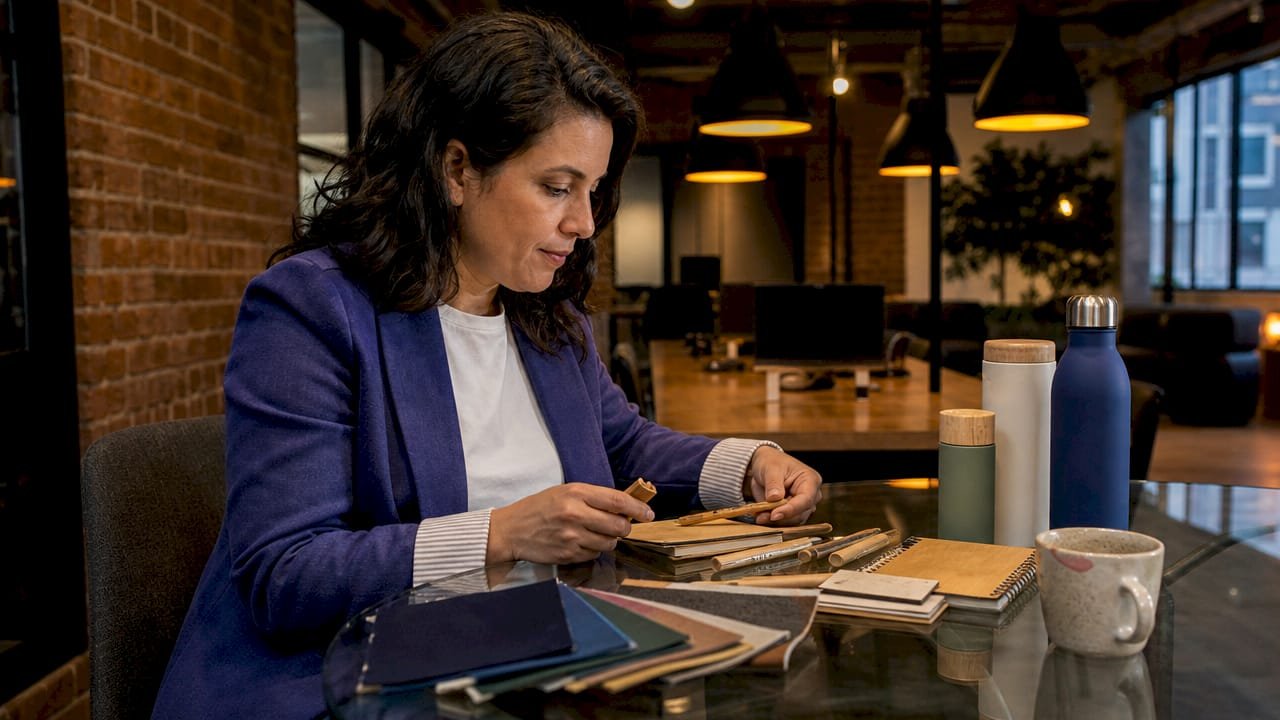
Promotional merchandise in 2026 is defined by three forces: sustainability, digital integration, and retail-quality design. These are not emerging ideas. They are now the baseline expectations of buyers and recipients alike. 95% of international consumers view promotional products favorably, which means the channel works. The question for marketing professionals and business owners is no longer whether to invest in branded merchandise. It is which promotional product trends 2026 demands you act on first.
1. Promotional product trends 2026: sustainability moves from optional to expected
Sustainability is the single most consequential shift in promotional products right now. 46% of consumers prefer eco-friendly promotional products, and that preference directly influences brand loyalty. Brands that ignore this signal risk being seen as indifferent to values their customers hold.
The materials leading this shift include GRS-certified recycled polyester, bamboo, organic cotton, and post-consumer recycled plastics. GRS stands for Global Recycled Standard, a third-party certification that verifies recycled content claims. Using certified materials is not just good ethics. It gives your brand a verifiable story to tell.
Two-thirds of low-value disposable promo items are discarded without being used. That statistic alone makes the case for replacing cheap giveaways with durable, purposeful products. A reusable tote made from recycled fabric stays in circulation for years. A flimsy pen does not.
- Choose products with third-party certifications (GRS, OEKO-TEX, Fair Trade) to back your sustainability claims
- Add sourcing transparency through hang tags or packaging that explains the material origin
- Replace single-use items with reusable alternatives across every product category
Pro Tip: Request a material data sheet from your supplier before ordering. If they cannot provide one, the sustainability claim is not verifiable.
2. How “phygital” products are extending brand engagement
Connected promotional products represent the most technically interesting shift in the future of promotional products. A phygital product is a physical item embedded with technology that links recipients to a digital experience. NFC chips and QR codes are the two primary tools making this possible.
“Connected promotional products using NFC chips and QR codes enable recipients to engage with branded digital experiences like loyalty programs and AR content. This ‘phygital’ approach extends brand engagement beyond the physical item itself, creating measurable touchpoints that traditional merchandise cannot.”
The practical applications are broader than most marketers realize. A branded water bottle with an NFC chip can open a personalized landing page, trigger a loyalty reward, or launch an augmented reality brand experience. Each interaction is trackable, which means you can measure ROI in ways that a standard giveaway never allows.
- NFC chips work without an app. Recipients tap with any modern smartphone.
- QR codes are lower cost and easier to update if the destination URL changes
- Both technologies require a clear call to action printed on the product
- Compliance considerations include GDPR and CCPA if you collect user data through connected experiences
The data advantage here is significant. When a recipient scans a QR code on your branded item, you capture engagement data. That turns a one-time giveaway into an ongoing relationship.
3. What premium, retail-quality merchandise looks like in 2026
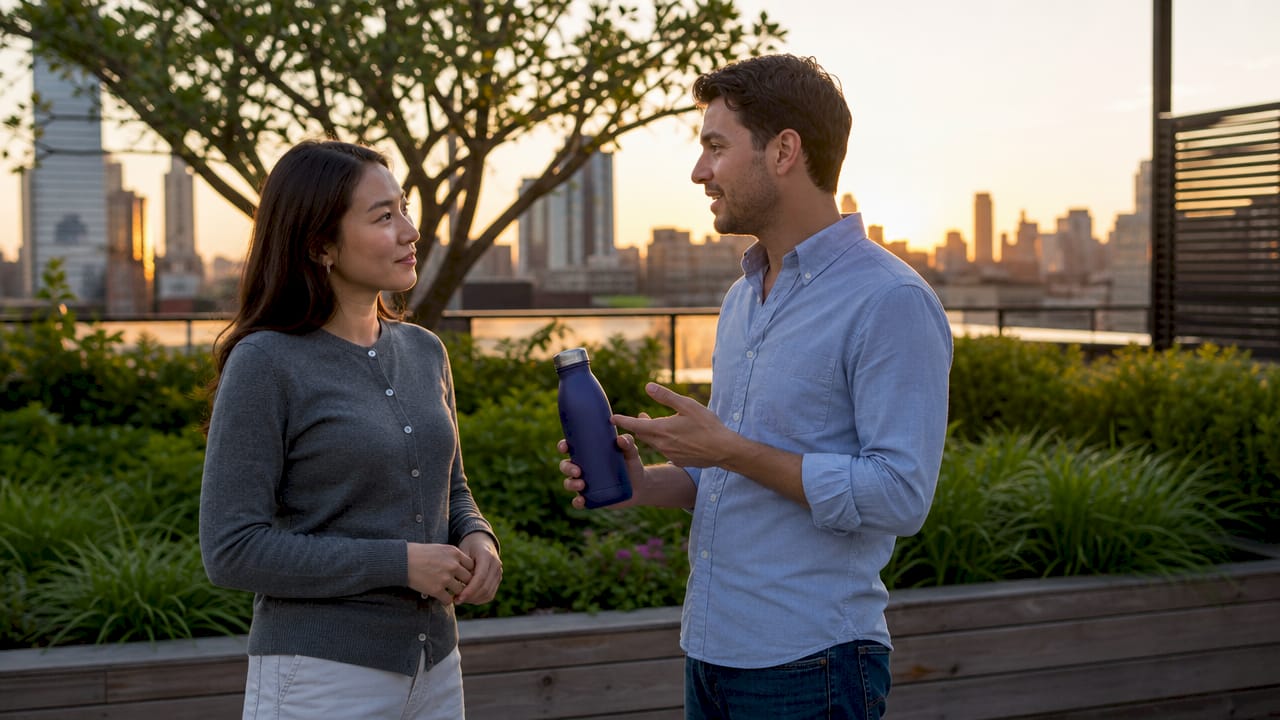
Marketing professionals report that promotional merchandise now resembles high-end retail apparel and home goods. This is not accidental. Brands have learned that recipients use items they actually like, and they discard items that feel cheap.
The quiet luxury trend, borrowed from fashion, applies directly here. Subtle branding, premium fabrics, and clean design make products people want to wear or use in public. A heavyweight cotton hoodie with a small embroidered logo gets worn to the grocery store. A thin polyester shirt with a large screen-printed logo does not.
| Product type | Key quality signal | Brand impression driver |
|---|---|---|
| Outerwear | Heavyweight fabric, YKK zippers | Worn publicly, high visibility |
| Drinkware | Double-wall insulation, leak-proof lid | Daily use, desk and commute |
| Bags and totes | Reinforced stitching, quality hardware | Carried in public spaces |
| Apparel | Moisture-wicking or UV-protective fabric | Performance use, repeat wear |
Curated branded kits are gaining traction as a format. Instead of sending one item, brands assemble a themed bundle: a premium notebook, a quality pen, and a branded coffee mug packaged together. The cohesion signals intentionality. Recipients perceive the brand as thoughtful rather than transactional.
Pro Tip: When budgeting for premium merchandise, calculate cost per impression rather than cost per unit. High-quality outerwear generates over 7,800 brand impressions over its lifetime, making the higher unit cost a better investment.
4. Which product categories drive the most brand impressions
Apparel leads every other category in total brand impressions. High-quality promotional outerwear generates over 7,800 impressions during its lifetime. That figure dwarfs what a digital ad delivers at the same cost. The reason is simple: people wear jackets in public, repeatedly, for years.
T-shirts and caps follow outerwear in impression volume. Both travel well beyond the original recipient. A branded cap worn at a weekend event reaches an audience the brand never directly targeted. That organic reach is difficult to replicate through paid channels.
Tech accessories, particularly power banks and wireless chargers, maintain strong international popularity. They solve a universal problem, which means recipients actually use them. 73% of consumers are more likely to do business with a brand that gave them a promotional product. Useful products drive that effect far more than decorative ones.
- Outerwear and jackets: highest lifetime impressions, strongest ROI for cold-climate markets
- Drinkware: daily use item, strong recall, affected by tariff costs on metal versions (see below)
- Bags and totes: high public visibility, strong sustainability story when made from recycled materials
- Tech accessories: logo tech accessories like power banks appeal across demographics and geographies
- Headwear: low cost per impression, travels beyond the original recipient
Nearly 9 out of 10 consumers keep promotional products for over a year. That retention rate means every dollar spent on a quality item compounds in value over time.
5. How tariffs are reshaping product selection in 2026
Section 232 tariffs on imported steel and aluminum increased to 50% since june 2025. That cost increase hits metal drinkware, tools, and hardware-heavy accessories directly. Buyers who relied on stainless steel tumblers as a default giveaway are now facing significantly higher unit costs.
The practical response is category substitution. Ceramic drinkware, glass bottles, and BPA-free plastic alternatives have all gained market share as metal costs rose. Regional sourcing from domestic or nearshore manufacturers is another adjustment many buyers are making to control landed costs.
This tariff environment also accelerates the shift toward non-metal product categories. Apparel, bags, and tech accessories made from non-metal components are insulated from Section 232 impacts. For marketing professionals building a 2026 budget, this is a structural reason to diversify your product mix rather than defaulting to a single category.
Industry experts advise sourcing partners who offer compliance-ready production and transparent supply chains. Customs delays and shipment rejections add hidden costs that erode campaign budgets. Vetting your supplier’s compliance capabilities before placing an order is not optional in this environment.
6. Why personalization at scale is now a baseline expectation
Personalization in promotional products has moved from a premium add-on to a standard expectation. Recipients notice when a product feels generic. They notice more when it feels chosen for them specifically.
Variable data printing and on-demand fulfillment technology now make it practical to produce small runs of personalized items without prohibitive setup costs. A company can send 50 employees individually named notebooks or regionally customized apparel without a massive minimum order requirement. That capability changes how brands think about branded swag campaigns entirely.
The most effective personalization goes beyond adding a name. It means selecting the right product category for the recipient’s role, region, or relationship with the brand. A field sales rep gets performance outerwear. A remote employee gets a home office kit. A conference attendee gets a compact, travel-friendly item. Matching product to context is the real personalization lever.
7. How wellness and work-from-home products fit the 2026 trend mix
Wellness products and home office accessories have held strong since 2020 and show no sign of retreating. The remote and hybrid workforce remains large, and brands that serve that context earn daily visibility in recipients’ homes.
Products in this category include branded blue-light-blocking glasses, ergonomic desk accessories, quality insulated mugs, and fitness-related items like resistance bands or yoga mats. The common thread is usefulness in a home environment. These items sit on desks and in home gyms, generating impressions in a space where traditional advertising cannot reach.
The wellness angle also connects naturally to the sustainability trend. Reusable water bottles, organic cotton towels, and bamboo desk organizers check both boxes. They are useful, they are eco-friendly, and they carry a brand message into a private space where the recipient spends significant time.
The most successful promotional products integrate into consumers’ lifestyles as quality, useful items rather than obvious branded giveaways. Wellness and home office products do exactly that.
Key takeaways
The most effective promotional product strategy in 2026 combines sustainable materials, retail-quality design, and digital connectivity to generate lasting brand impressions across every recipient touchpoint.
| Point | Details |
|---|---|
| Sustainability is now a baseline | Use GRS-certified or third-party-verified materials; recipients and buyers both expect it. |
| Phygital products extend ROI | NFC and QR-enabled items create trackable engagement that standard giveaways cannot match. |
| Premium quality outperforms volume | High-quality outerwear generates over 7,800 lifetime impressions, far exceeding disposable alternatives. |
| Tariffs demand category flexibility | Section 232 tariffs on metal make non-metal categories like apparel and bags more cost-effective in 2026. |
| Personalization drives retention | Matching product to recipient context increases use, recall, and the likelihood of repeat business. |
What I’ve learned about choosing promo products that actually work
Most marketing professionals approach promotional products the way they approach office supplies: find the lowest unit cost, order in bulk, and distribute at events. That approach produces landfill, not brand equity.
The brands I see winning with promotional merchandise in 2026 share one habit. They treat every product decision as a media buy. They ask: how many impressions will this generate, over what period, and in front of what audience? A $40 jacket that gets worn 200 times in public is a better media buy than a $4 pen that gets lost in a drawer.
The tariff environment adds a layer of complexity that catches buyers off guard. If your supplier cannot tell you where their metal drinkware is manufactured and how they are handling Section 232 compliance, you are exposed to cost surprises mid-campaign. I have seen budgets blown by surprise duties on shipments that were already in transit.
My honest prediction: the brands that invest in fewer, better products with verified sustainability credentials and digital connectivity will outperform those chasing volume through 2026 and beyond. The channel is maturing. Treat it like one.
— Jerry
Discountswag’s 2026 promotional product picks for brand-focused marketers
Discountswag curates promotional merchandise built around the trends that actually move the needle: sustainable materials, premium quality, and products recipients use daily.
The 2026 brand awareness guide at Discountswag walks through the product categories with the highest impression rates, including outerwear, tech accessories, and eco-certified drinkware. For marketing professionals who want to skip the research and go straight to vetted selections, Discountswag’s branded merchandise catalog covers sustainable, phygital, and retail-quality options across every major category. Every product is available with custom branding and compliance-ready sourcing.
FAQ
What are the top promotional product trends for 2026?
The leading trends are sustainability with GRS-certified materials, phygital products using NFC and QR technology, and retail-quality merchandise designed for daily use. These three directions reflect both consumer preference data and supply chain realities.
Which promotional products generate the most brand impressions?
High-quality outerwear generates over 7,800 brand impressions over its lifetime, making it the top-performing category by impression volume. Apparel, bags, and tech accessories follow closely behind.
How do tariffs affect promotional product choices in 2026?
Section 232 tariffs increased to 50% on imported steel and aluminum since june 2025, raising costs for metal drinkware and hardware. Buyers are shifting to ceramic, glass, and non-metal alternatives to protect their budgets.
Why do consumers keep promotional products?
Nearly 9 out of 10 consumers keep promotional products for over a year because useful, quality items integrate into daily routines. Products that solve a real problem, like insulated drinkware or tech accessories, see the highest retention rates.
How does sustainability affect brand perception in promotional products?
46% of consumers prefer eco-friendly promotional products, and sustainable choices positively influence brand loyalty and corporate responsibility perception. Brands that use certified materials and communicate sourcing transparency earn stronger favorability scores.
 Bottle Carriers
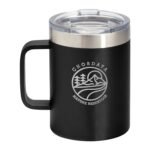 Mugs
Mugs