

Fewer, Better Tech Conference Swag Attendees Keep for Event Marketers

The best tech conference swag is lightweight, functional tech and desk items that attendees will actually keep, paired with sustainable sourcing and experience driven distribution. Power banks, quality drinkware, and notebooks outperform disposable trinkets because useful items get carried home and used for months. Industry groups like IAEE and PCMA both point to the same shift: fewer, better items beat piles of giveaways, and suppliers like Discount Swag now build entire catalogs around that logic.
TL;DR:
- Prioritize high-utility items like power banks, durable carry bags, and reusable drinkware that attendees will use daily and retain for months or years.
- Focus on sustainable sourcing, such as recycled materials and digital alternatives, to reduce waste without sacrificing attendee engagement.
- Incorporate personalization stations and role-specific bundles to enhance the swag experience and encourage longer booth interaction.
- Allow extra lead time for bulk orders of tech accessories requiring safety testing, and tailor fulfillment based on event location and attendee type.
- Keep design minimal, with tasteful branding and clear instructions, to increase the likelihood that attendees will keep and reuse the items.
Table of Contents
- 1. Top tech conference swag categories worth stocking
- 2. How sustainable choices cut waste without cutting appeal
- 3. Turning swag pickup into an experience attendees remember
- 4. Planning lead times, budgets, and fulfillment for bulk orders
- 5. Design choices that get swag kept and used
- 6. Premium swag ideas worth reserving for VIPs and speakers
- 7. Low-cost swag that still feels worth keeping
- 8. Measuring whether your swag program actually worked
- 9. What actually moves the needle on swag
- How Discount Swag handles bulk orders, rush jobs, and custom boxes
- Sources
- FAQ
1. Top tech conference swag categories worth stocking
Tech audiences respond to items that solve a problem they already have on-site: a dying phone, a cluttered bag, a cold coffee. Categories that map to those moments consistently outperform generic trinkets.
- Portable power: Power banks, braided charging cables, and multi-tip adapters solve a universal problem at any tech event where phones die by lunch. A mid-size power bank with a visible but small logo tends to get carried into the next meeting, not left on a hotel nightstand.
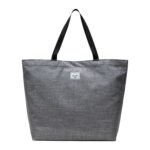
- On-the-go carry: Totes and backpacks with a padded laptop sleeve get used well past the show floor, especially when the material feels durable rather than flimsy. Attendees who already own ten branded totes will keep the one that actually holds a 15-inch laptop.
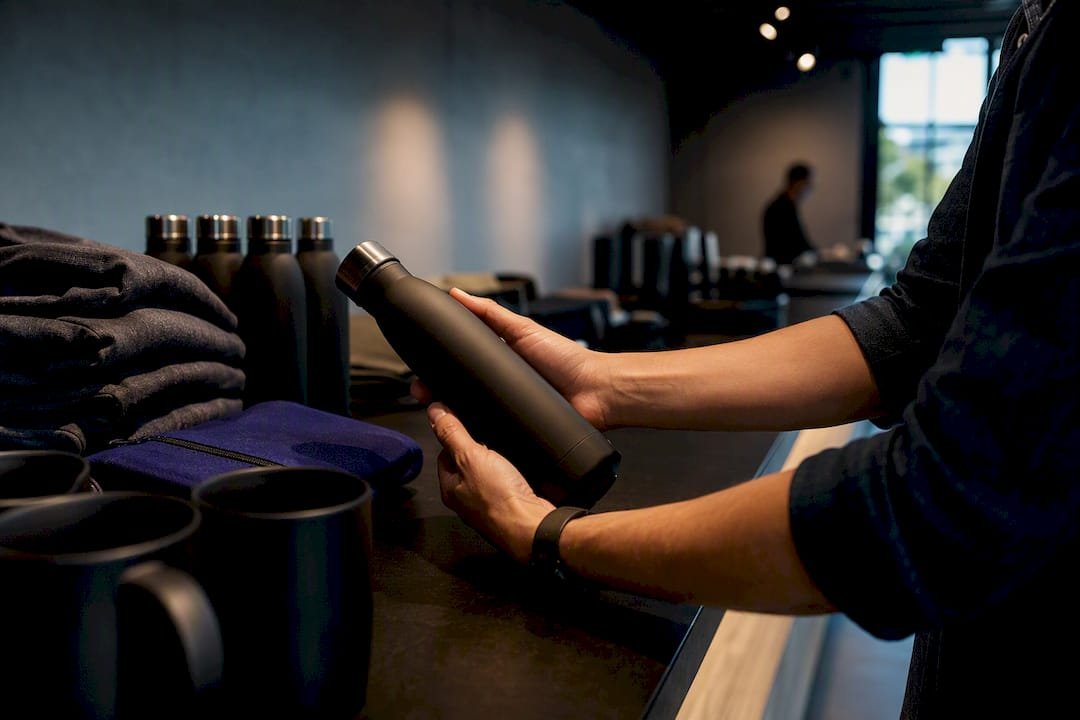
- Drinkware and tumblers: Insulated tumblers and reusable water bottles rank among the highest-retention items because people use them daily at their desks. Material matters here: stainless steel and BPA-free plastics read as higher quality than thin single-wall metal.
- Productivity and desk items: Notebooks, pens, webcam covers, and cable organizers are inexpensive but land well with a desk-bound tech audience. A webcam cover, in particular, plays into privacy-conscious attendees who will actually stick it on their laptop that day.
- Audio and accessories: Budget earbuds or a compact Bluetooth speaker can work as a headline item, provided the build quality doesn’t embarrass the brand. These need travel-friendly cases; a speaker that rattles loose in a backpack becomes a one-time-use item.
- Apparel that keeps: A well-cut beanie or a lightweight packable jacket beats another oversized T-shirt almost every time. Sizing matters more than people expect: offering true-to-size options in common ranges avoids a pile of unclaimed extra-larges at the end of the show.
- Consumables that perform: Snack packs, stain pens, and hand sanitizer round out a bag without adding bulk, and they get used within days rather than sitting in a drawer.
Some quick wins across these categories:
- Choose one hero item per attendee tier instead of five mediocre ones.
- Match the item to the setting: outdoor tech expos favor bottles and jackets, indoor developer conferences favor desk items and cables.
- Test a small batch before a full production run whenever a new item type is untested with your audience.
For deeper category breakdowns, Discount Swag’s tech promotional items guide and logo tech accessories ideas walk through specific SKUs and imprint placement by product type.
2. How sustainable choices cut waste without cutting appeal
Sustainability has moved from a nice-to-have to a baseline expectation for event swag, and PCMA’s guidance on rethinking swag recommends trimming low-utility tchotchkes in favor of fewer, more meaningful items or digital alternatives. That shift doesn’t mean less engaging swag: it means smarter sourcing and smarter distribution.
Vetted sustainable options worth building into a program:
- Drinkware made from recycled aluminum or stainless steel instead of single-use plastics.
- Apparel with third-party certifications for organic cotton or recycled polyester blends.
- Notebooks with recycled paper stock and low-VOC printing on packaging.
- Digital-first alternatives, such as a QR code redemption instead of a printed catalog insert.
Distribution models can cut as much waste as the products themselves. Pick-up-only tables (instead of stuffing every bag), personalization stations that let attendees opt in, digital show bags, and donation-in-lieu programs all reduce the volume of unwanted items that end up in hotel trash cans after the show.
Statistic: Advertising Specialty Institute data finds that 49% of recipients keep promotional products longer than five years when the items are useful, which is the strongest argument for spending on fewer, better things rather than more, cheaper ones.
Pro Tip: Ask any new supplier for documentation on material sourcing and factory labor practices before placing a bulk order. A verbal claim of “eco-friendly” is not the same as a certification you can show a sponsor.
Discount Swag’s sustainable swag trends guide covers sourcing considerations in more depth for organizers building a lower-waste program from scratch.
3. Turning swag pickup into an experience attendees remember
Handing out identical bags at the door is the least effective way to distribute swag. IAEE reporting on personalized swag stations shows that letting attendees choose their own items, rather than receiving a preset bag, increases booth dwell time and gives sponsors a clearer read on genuine interest.
Models worth testing:
- Choose-your-item stations where attendees pick two or three items from a curated shelf instead of taking a prepacked bag.
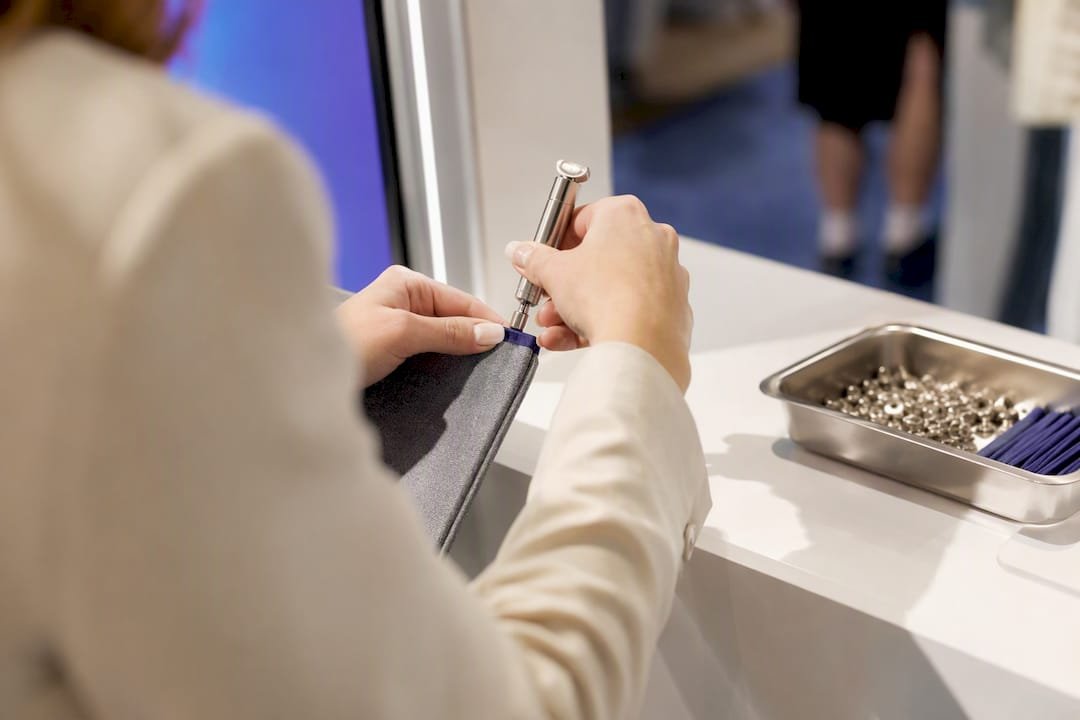
- On-site engraving or patching stations that personalize a tumbler or bag while the attendee waits, turning a giveaway into a small event.
- NFC or QR codes on badges that unlock digital add-ons or restrict premium items to qualified leads, such as VIP badge holders or demo attendees.
- Curated bundles by role or interest, so a developer and a procurement lead walk away with different kits.
Staffing and space are the real trade-off here. A personalization station needs a table, a staff member or two, and enough floor space to avoid a bottleneck, which costs more than a bag drop but pays back in the extra minutes attendees spend at the booth.
Pro Tip: Keep any on-site personalization process under 90 seconds per attendee. Anything longer creates a line that discourages walk-ups, even when the item itself is worth the wait.
4. Planning lead times, budgets, and fulfillment for bulk orders
Tech accessories often need longer production windows than apparel or notebooks. PCMA notes that items like power banks and chargers require additional safety testing and battery shipping compliance, so building in extra lead time (and considering local fulfillment to avoid import delays) matters more here than for a standard T-shirt order.
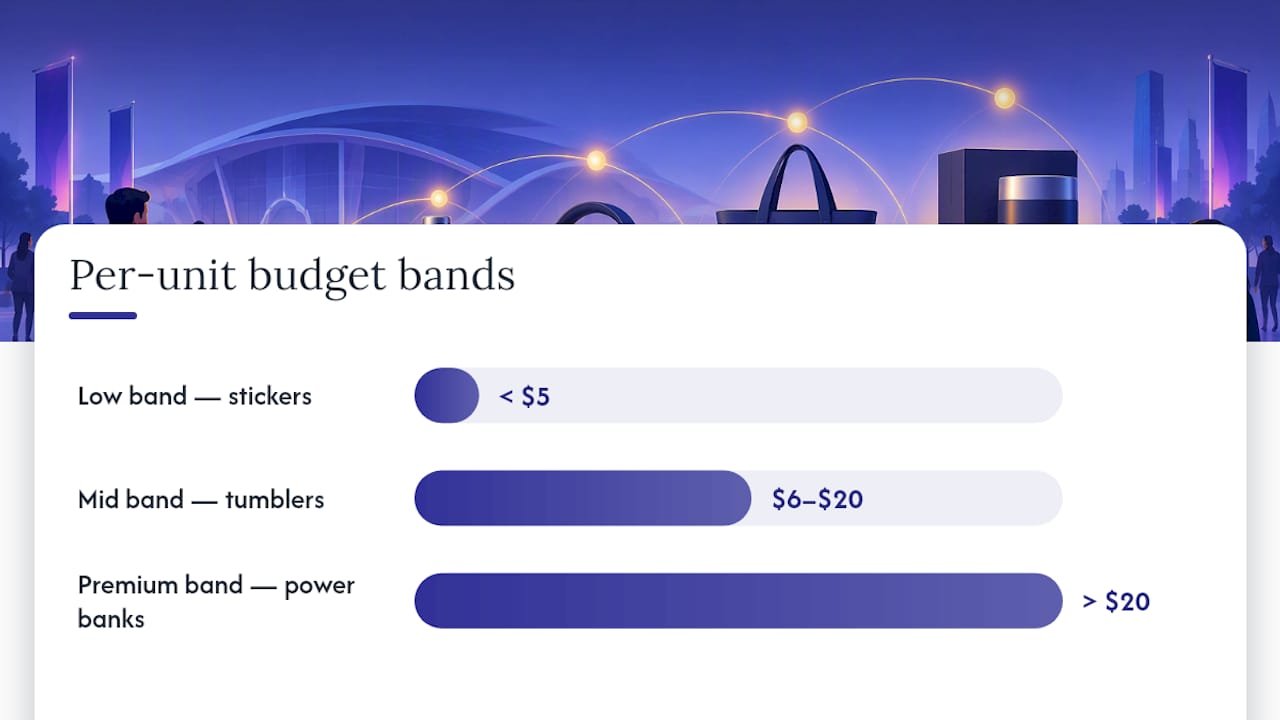
Rough budget bands to plan against:
- Low band, under $5 per unit: stickers, pens, cable organizers, and basic notebooks.
- Mid band, $6 to $20 per unit: tumblers, tote bags, webcam covers, and mid-tier apparel.
- Premium band, over $20 per unit: power banks, Bluetooth speakers, jackets, and leather tech organizers.
Fulfillment choice depends on the event footprint:
- Ship-to-attendee works well for remote or hybrid events and VIP mailers.
- Show-floor pickup keeps costs down for single-location conferences.
- Multi-location drops matter for companies running the same activation across regional events in the same quarter.
Before placing a bulk order, confirm proofs, run a quality-control check on a sample unit, and build in freight and customs buffer time, plus a rush-order contingency plan in case a shipment slips. Discount Swag’s distribution tips guide and swag bag essentials checklist both walk through this planning process in more detail.
5. Design choices that get swag kept and used
A logo that covers half a tumbler is the fastest way to guarantee it ends up in a donation bin. Smaller, tasteful placement on the interior of a bag or a removable label on apparel increases the odds an attendee keeps and reuses the item.
- Favor a small logo on a sleeve, strap, or base rather than a full-bleed print across the front.
- Choose neutral colors (black, navy, heather gray) that pair with more outfits and more desk setups than a bright brand color might.
- Add a care label or a one-line instruction card (“dishwasher safe,” “machine wash cold”) that nudges continued use rather than a drawer.
- Avoid stacking multiple logos, taglines, and event dates on one item: pick one focal mark and leave the rest of the surface clean.
Discount Swag’s tech promotional items guide shows several examples of restrained branding on tech accessories that still read clearly as company swag.
6. Premium swag ideas worth reserving for VIPs and speakers
Not every attendee needs the same bag, and treating VIPs, speakers, and top sponsors to a higher tier of item both reduces waste and increases the perceived value of the gift.
- Engraved power banks or leather tech organizers signal a higher tier without needing an oversized item.
- Insulated tumblers with a name or initials engraved on-site read as personal rather than mass-produced.
- Limited-edition apparel, numbered or dated to the event, creates a reason to keep the piece rather than pass it along.
Restrict these items to a qualified list (speaker badges, sponsor tiers, top-of-funnel leads) rather than making them available to general attendees, which keeps the item special and avoids overproducing units that go unclaimed. A event giveaway case study covering high-value prizes and logistics shows how restricting premium items to a defined audience keeps the program manageable. Discount Swag’s custom swag boxes work well for curating a VIP tier without a separate ordering process.
7. Low-cost swag that still feels worth keeping
Tight budgets don’t have to mean forgettable swag. A handful of inexpensive items still land well with a tech audience when the utility is obvious on sight.
- Cable organizers and webcam covers solve small daily annoyances at a cost that fits almost any budget line.
- Sticker packs and stain pens are cheap to produce and easy to slip into a bag without adding bulk or weight.
- Single-serve snack packs perform well near the end of a long show day when attendees are tired and hungry.
- A gamified pickup, where attendees spin a wheel or answer a trivia question to unlock an item, makes a $2 item feel like a win rather than a freebie.
Cut spending on packaging and printed inserts before cutting the item itself: a plain kraft bag with a good product inside outperforms an elaborate box around a forgettable one.
8. Measuring whether your swag program actually worked
Swag is easiest to justify when it’s tied to numbers you can report after the show, not just a gut sense that the booth felt busy.
- Track booth traffic and dwell time, especially around any personalization station.
- Use unique QR codes or promo codes per item type to see which pieces actually get redeemed or scanned.
- Run a short post-event survey asking which item attendees kept and used.
- Follow up with a sequence tied to whichever item drove the most engagement, since that’s likely your strongest lead signal.
Set expectations honestly: swag tends to move awareness and engagement metrics, not immediate revenue, and survey data from 200+ event professionals backs that framing, with 96% saying swag still has a place in their event strategy even as budgets get more selective.
9. What actually moves the needle on swag
The single biggest mistake in swag planning is buying for the budget line instead of the attendee’s actual day. A power bank someone reaches for during a layover beats a stress ball someone tosses before leaving the venue, every time.
If you take one checklist away from this, make it three items: prioritize utility over novelty, sustainability over disposability, and experience over volume. Get those three right and the item budget almost sorts itself out.
Useful, sustainably sourced swag delivered as an experience outperforms bulk giveaways on every metric that matters to a marketing team.
— Jerry
How Discount Swag handles bulk orders, rush jobs, and custom boxes
Once you know which categories and budget bands fit your event, the harder part is execution: getting the right quantities produced, branded, and delivered on time across one venue or several. Discount Swag builds its distribution service around exactly that problem, with fully custom branded boxes for curated welcome kits or VIP tiers, rush orders for the inevitable late add to the attendee list, and fulfillment that can ship to a single venue or split across multiple locations.
- Custom branded boxes for VIP, speaker, or sponsor tiers without managing a separate vendor.
- Rush order options for last-minute headcount changes or late sponsor commitments.
- Distribution to single or multiple event locations from one order.
Browse the full catalog of promotional products to start building a swag plan around your budget and timeline, or check the custom swag box options for a curated VIP kit.
Sources
- Rethinking Swag at Events
- Event swag they’ll use all year
- The State of Swag in 2025: 10 Takeaways from 200+ Event Pros | In-Person GTM Blog | Mobly
FAQ
What are some good conference swag ideas?
Power banks, insulated tumblers, tote bags with a laptop sleeve, and quality notebooks consistently perform well because attendees use them long after the event. Items tied to a daily habit, like drinkware or charging accessories, tend to outlast novelty items by months or years.
What are some good conference swag ideas for 2026?
The 2026 shift favors fewer, higher-utility items over bulk giveaways, with sustainable materials and personalization stations replacing preset swag bags at many events. Expect more QR-linked or NFC-linked items that unlock digital content rather than adding another physical object to a bag.
What is a good gift to give at a conference?
A well-made tumbler, a compact power bank, or a lightweight packable jacket all work as strong single-gift options for speakers or VIPs. Reserving a slightly higher-value item for a defined audience, rather than everyone, keeps the gift feeling special and limits waste.
What are some good swag ideas for an event?
Desk items like notebooks, pens, and cable organizers work well for general attendees, while drinkware and apparel tend to have the longest shelf life across a broader crowd. Pairing any item with a personalization station, where attendees choose or customize their pick, tends to boost engagement over a standard bag handout.
 Bottle Carriers
 Mugs