

Promotional Items for Brand Awareness: 2026 Marketer’s Guide

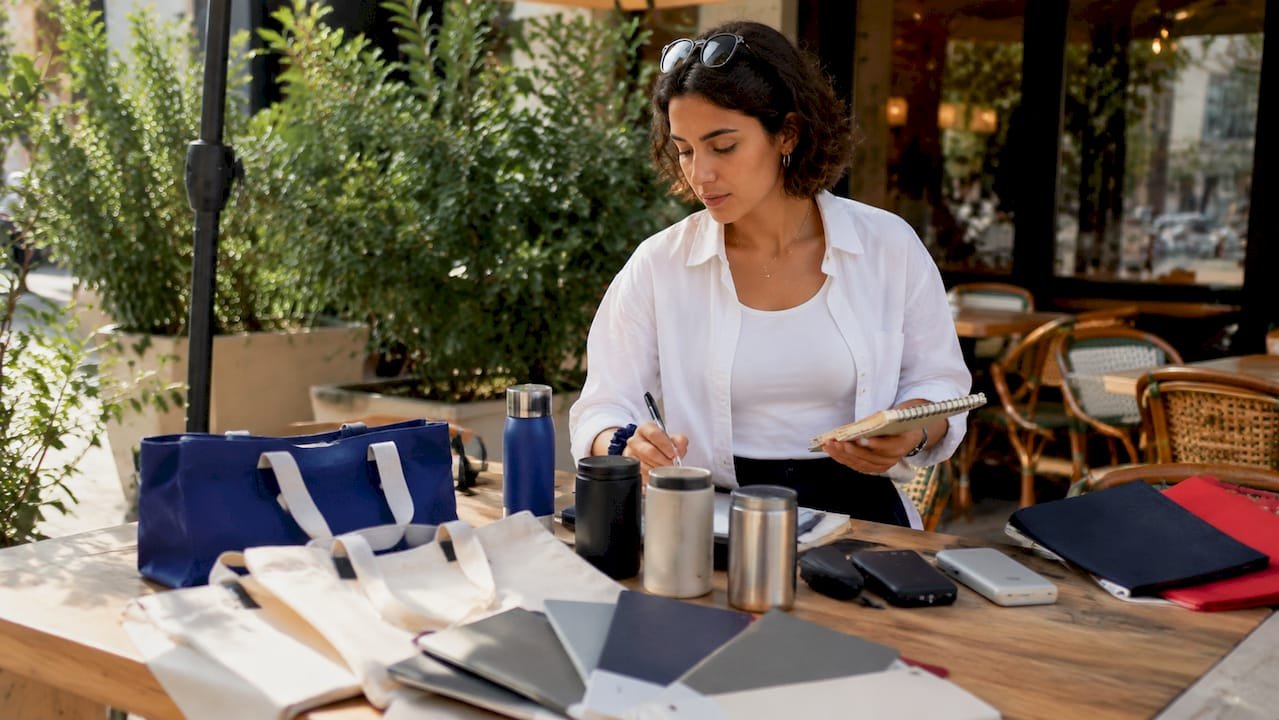
Promotional items for brand awareness are physical branded products designed to increase visibility, recall, and engagement for a company over time. Unlike digital ads that disappear after a click, branded merchandise stays in a recipient’s daily life, generating repeated impressions at a fraction of the cost. Pens, apparel, tech accessories like USB drives, and custom giveaways all fall under this category. The industry term is “promotional products,” and understanding how to choose them well separates campaigns that build real recognition from those that just burn budget.
1. What makes promotional items effective for brand awareness?
Promotional products work because they are useful. Functional swag builds stronger brand impressions through daily usability, which means every time someone uses your branded item, your logo earns another impression at zero additional cost. That compounding effect is what separates physical branded merchandise from a banner ad that runs once and disappears.
The role of promotional items in the awareness stage is to create a tangible first touchpoint. A prospect who receives a quality branded item before they ever visit your website already has a physical association with your brand. That association is harder to ignore than a retargeted ad.
2. Branded pens and writing instruments
Branded pens are the most distributed promotional product in the world, and for good reason. They are low cost, universally useful, and travel constantly between desks, bags, and hands. A single pen can generate hundreds of impressions across its lifespan.
The key is quality. A pen that skips or dries out reflects poorly on your brand. Choose metal-barreled pens with smooth ink delivery over cheap plastic options. Your logo placement matters too: barrel imprints are more visible than clip imprints.
Pro Tip: Order pens in bulk but customize the color to match your brand palette exactly. A pen that looks like it belongs to your brand system signals attention to detail.
3. Branded apparel: t-shirts, hats, and jackets
High-quality branded apparel like t-shirts and caps consistently generates brand awareness while offering practical, stylish value to recipients. Apparel is a walking billboard. One branded hoodie worn in public can reach dozens of people in a single day.
The mistake most brand managers make is ordering cheap blanks with a large logo slapped on the chest. Recipients wear apparel they actually like. Invest in soft-hand fabrics, modern fits, and subtle logo placement. A small left-chest embroidered logo on a quality quarter-zip will get worn far more than a screen-printed budget tee.
For corporate apparel buying, prioritize fit options that cover multiple body types. Offering only one unisex size range limits who will actually wear the item, which limits your impressions.
4. Reusable tote bags
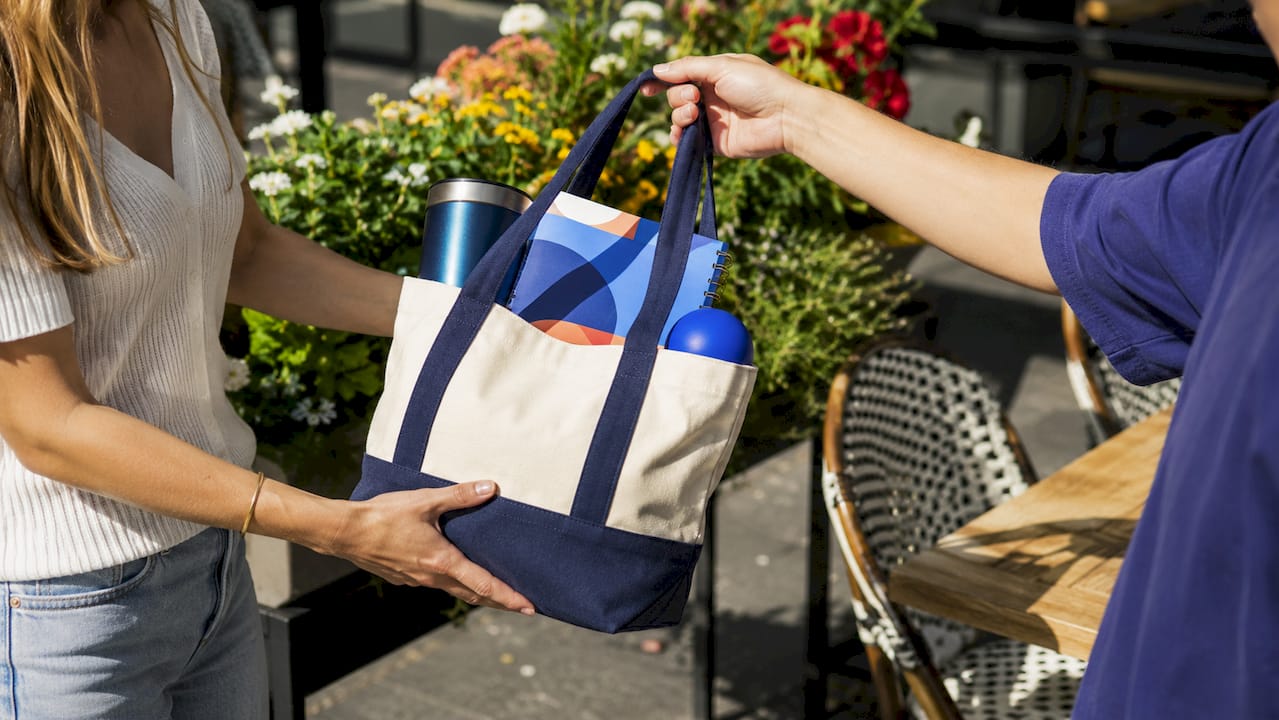
Tote bags are one of the most cost-efficient branded merchandise options available. They are used repeatedly, carried in public, and seen by multiple people per outing. A single branded tote bag can generate brand exposure across grocery stores, gyms, and offices.
For healthcare promotional items, tote bags function as what the industry calls “silent billboards.” Healthcare swag like branded tote bags provides comfort and builds trust with patients, reinforcing the care quality of a hospital or clinic without feeling like advertising.
Choose heavyweight canvas or recycled materials. Thin polypropylene bags get discarded quickly. A durable tote with clean branding and a comfortable handle length will stay in rotation for years.
5. Tech accessories: wireless chargers, phone stands, and cables
Tech accessories like wireless chargers and phone stands are increasingly common in promotional campaigns because of their high usage frequency and appeal to millennial and Gen Z audiences. These items sit on desks and nightstands, generating daily impressions in high-attention moments.
Wireless chargers are particularly effective because they are used multiple times per day. Every charge is a brand impression. Phone stands work similarly, keeping your logo in the recipient’s line of sight during video calls and screen time.
Pro Tip: Bundle a branded wireless charger with a cable in a custom box. The unboxing experience elevates perceived value and makes the item feel like a gift rather than swag.
6. Drinkware: mugs, tumblers, and water bottles
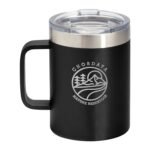
Branded drinkware is among the highest-retention promotional product categories. A quality insulated tumbler or stainless steel water bottle gets used daily, often for years. That longevity translates directly into sustained brand exposure.
The market is saturated with cheap ceramic mugs. Stand out by choosing double-wall vacuum-insulated tumblers in on-trend colorways. Brands like Yeti and Stanley have set consumer expectations high. Your branded drinkware needs to compete with what people already own, or it will sit in a cabinet unused.
7. Stress relievers and wellness items
Stress relievers are a staple of health promotional items and healthcare marketing campaigns. They are inexpensive, tactile, and carry a clear message: your brand cares about the recipient’s wellbeing. For promotional products for healthcare brand awareness, stress balls, fidget tools, and aromatherapy items all reinforce a message of care.
Healthcare promotional items like stress relievers help improve patient experience and strengthen the hospital-patient relationship. That emotional connection is what makes health promotional items different from standard corporate giveaways. The item itself communicates empathy.
8. Notebooks and journals
Branded notebooks have a long shelf life and a high perceived value. Recipients use them in meetings, at desks, and during travel. Every page turn keeps your brand in view. Hardcover journals with lay-flat binding and quality paper feel premium without a premium price tag.
The role of promotional items in events is particularly strong for notebooks. Conference attendees actively need somewhere to take notes. A branded notebook handed out at registration gets used immediately and carried home, extending your event’s brand reach well beyond the venue.
9. Eco-friendly and sustainable promotional products
Sustainability is now a selection criterion, not a bonus. Sustainability-conscious B2B clients increasingly favor promotional products because of their lower carbon-per-impression metrics compared to digital alternatives. Marketing teams use measurable carbon impacts to justify promotional swag in campaign budgets.
Choosing sustainable options:
- Select items made from recycled or organic materials, such as recycled PET tote bags or organic cotton apparel.
- Work with vendors who provide material certifications like GOTS or GRS.
- Avoid single-use plastics in packaging and the product itself.
- Choose items with long use cycles. A reusable item used 200 times produces a fraction of the carbon per impression of a disposable item.
- Ask vendors for lifecycle data. Reputable distributors like Discountswag can provide sourcing transparency on request.
10. Comparing promotional items by memorability, sustainability, and engagement
Not all branded merchandise performs equally. The table below compares common categories across three dimensions that matter most to brand managers.
| Item | Memorability | Sustainability | Daily engagement |
|---|---|---|---|
| Branded apparel | High | Medium (organic options available) | Medium (worn several times per week) |
| Drinkware | High | High (stainless steel, long lifespan) | High (used multiple times daily) |
| Tech accessories | High | Medium (depends on materials) | High (used multiple times daily) |
| Tote bags | Medium | High (canvas, recycled options) | Medium (used several times per week) |
| Pens | Low | Low (plastic) to Medium (metal) | High (used daily) |
| Stress relievers | Medium | Medium | Low to Medium |
| Notebooks | Medium | Medium (recycled paper options) | Medium |
Promotional products rank second only to out-of-home advertising in carbon efficiency per memorized impression across both US and European markets. That ranking makes them the most defensible physical advertising channel from an ESG standpoint.
Pro Tip: Use carbon-per-impression as a KPI when presenting your promotional marketing strategy to leadership. It reframes swag from “nice to have” to a measurable, responsible media channel.
Key takeaways
The most effective promotional items for brand awareness combine high daily usability with durable materials and clear brand alignment, because repeated use drives the impressions that build recognition.
| Point | Details |
|---|---|
| Functionality drives retention | Items used daily, like drinkware and tech accessories, generate the most brand impressions over time. |
| Sustainability is a measurable advantage | Promo products produce up to 8 times less carbon per memorized impression than digital ads. |
| Sector fit matters | Healthcare promotional items must prioritize comfort and trust, not just logo visibility. |
| Quality over quantity | High-quality branded apparel and drinkware get used; cheap items get discarded and waste budget. |
| Events amplify reach | Notebooks and tote bags handed out at events extend brand exposure far beyond the venue itself. |
What I’ve learned about promotional items after years in the field
The biggest mistake I see brand managers make is treating promotional products as an afterthought. They finalize the event budget, find $2,000 left over, and order 500 cheap pens. That approach produces zero brand lift and a lot of landfill.
The campaigns that actually move the needle treat the promotional item as a media placement. You would not run a digital ad without thinking about placement, audience, and creative. The same logic applies here. A wireless charger given to a tech-forward B2B prospect at a trade show is a media placement that will generate daily impressions for two years. A plastic pen given to the same person is forgotten by Tuesday.
The sustainability angle has also shifted from a “nice to have” to a genuine differentiator. Branded merchandise creates ongoing exposure through repeated use, which lowers emissions per impression relative to energy-intensive digital advertising. When you can show your CMO that your promo spend is more carbon-efficient than your paid social budget, the conversation about budget allocation changes fast.
My advice: pick one item per campaign, make it excellent, and make sure it fits the audience’s actual daily life. A healthcare marketing team handing out branded stress relievers at a patient wellness fair will outperform a generic swag bag every time. Specificity wins.
— Jerry
Find the right branded products for your next campaign
Discountswag carries a full range of branded promotional products across every category covered in this guide, from eco-friendly tote bags and premium drinkware to tech accessories and healthcare-specific items. Every product is available with custom branding aligned to your guidelines. If you are building a campaign around quality and sustainability, Discountswag’s catalog gives you the sourcing transparency and product depth to make it work. Browse the full range and filter by category, material, or use case to find the right fit for your audience and budget.
FAQ
What are the most effective promotional items for brand awareness?
Drinkware, tech accessories, and branded apparel generate the highest daily impressions because recipients use them repeatedly. Items that are functional and durable produce the most brand exposure over time.
What is the role of promotional items in the awareness stage?
Promotional items create a tangible first touchpoint with prospects before they engage digitally. A physical branded item builds brand association that persists longer than a digital ad impression.
Are promotional products more sustainable than digital ads?
Promotional products produce up to 8 times less carbon per memorized impression compared to digital ads. They rank second only to out-of-home advertising in carbon efficiency across US and European markets.
What promotional items work best for healthcare marketing?
Healthcare promotional items like branded tote bags, stress relievers, and wellness gifts function as silent billboards. They reinforce patient trust and care quality while keeping the brand visible in daily life.
How do I choose the right promotional item for my audience?
Match the item to the recipient’s daily routine and professional context. Quality and thoughtful selection aligned with brand values and audience preferences drives stronger marketing outcomes than volume-based purchasing.
 Bottle Carriers
 Mugs
Mugs