

12 Best Employee Welcome Kit Items

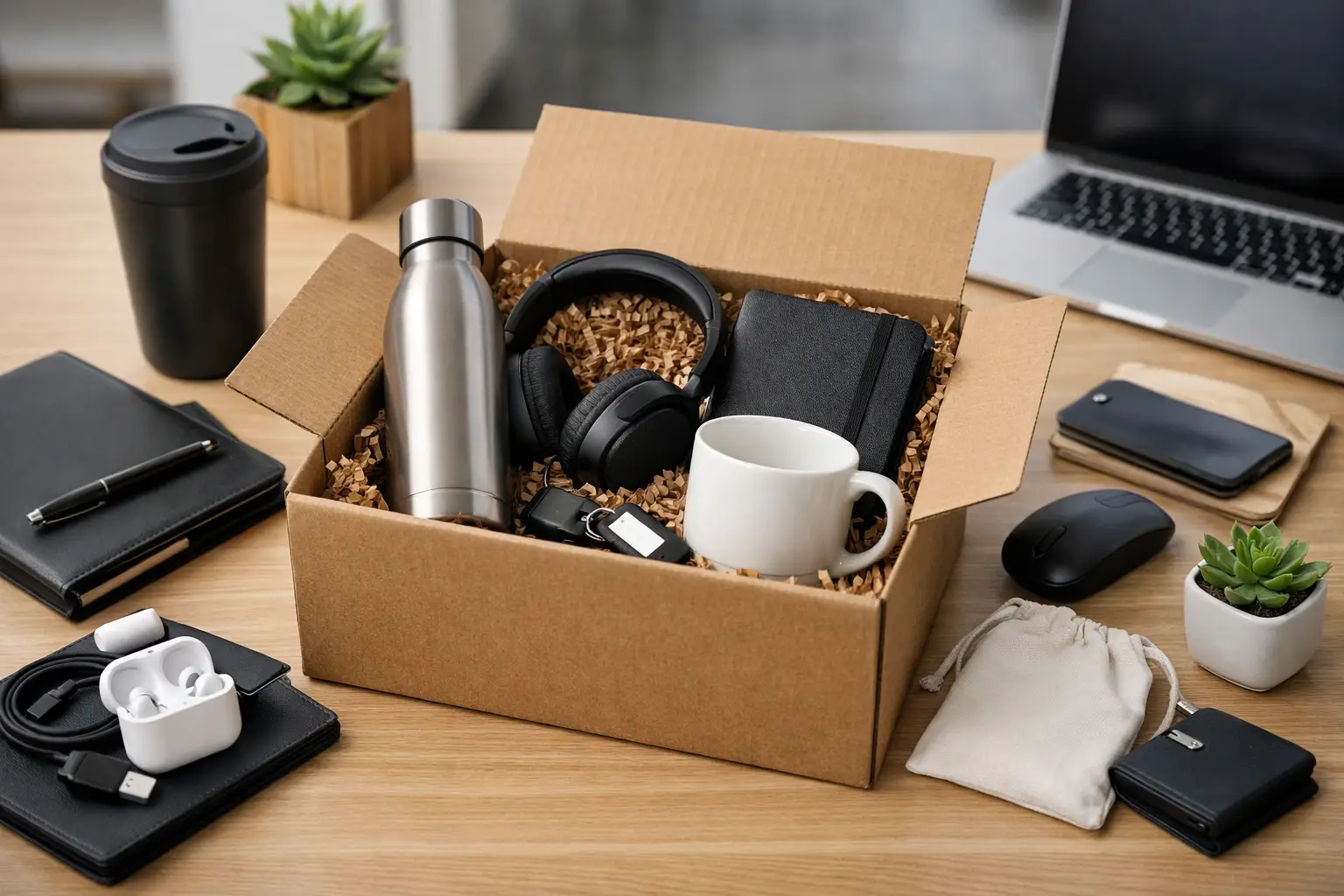
A new hire forms an opinion fast. If their first package feels cheap, random, or late, it sends the wrong message before IT even finishes setup. The best employee welcome kit items do more than fill a box – they make onboarding feel organized, thoughtful, and worth showing up for.
What makes the best employee welcome kit items work
A strong welcome kit should do three jobs at once. It should help the employee feel included, give them something useful right away, and reinforce your brand without feeling like a pile of leftovers from a trade show.
That balance matters because HR and procurement teams usually have two pressures pulling in opposite directions. On one side, leadership wants a polished first impression. On the other, budgets, shipping complexity, and reorder consistency are real constraints. The smartest kits solve both.
The best kits are built around items people actually keep. That usually means a mix of daily-use desk products, drinkware, wearable basics, and one or two pieces that make the package feel complete. Branded merchandise works well here, but only when the branding supports the experience instead of dominating it.
12 best employee welcome kit items to include
1. A quality branded tumbler or water bottle
Drinkware is one of the safest and strongest picks in any onboarding kit. New hires use it at their desk, at home, in meetings, and on the go. That repeated use gives you strong brand exposure without forcing it.
The trade-off is price. Premium bottles and tumblers cost more than entry-level options, but they also create a more noticeable impact. If your onboarding volume is high, mid-range drinkware often hits the sweet spot between cost control and perceived value.
2. A soft t-shirt employees will actually wear
A welcome kit t-shirt works when it feels like real apparel, not giveaway inventory. Soft fabric, modern sizing, and a simple design matter more than adding a giant logo across the chest.
This is also where many companies overspend or underspend. Cheap shirts get ignored. Overly premium styles can strain budgets at scale. For most teams, a dependable mid-tier tee with clean branding is the practical move.
3. A notebook for onboarding and daily use
Even in digital-first workplaces, notebooks still earn their place. New hires use them during training, meetings, and first-week check-ins. A well-made notebook gives structure to the onboarding process and adds a professional touch.
If your workforce is remote, this item still works well because it ships easily and has broad appeal. It is not flashy, but it is reliably useful, which matters more in most welcome kits.
4. A reliable pen set
Pens seem basic until you leave them out. A welcome kit without a writing instrument can feel incomplete, especially when you already include a notebook. The key is choosing pens that write smoothly and feel substantial enough to match the rest of the package.
This is not the item to build the whole kit around, but it is one of the easiest ways to make the full set feel intentional.
5. A laptop sleeve, backpack, or tote
A carry item gives the welcome kit more staying power. For office staff, hybrid teams, and field employees, a backpack or tote has obvious utility. Laptop sleeves also work well when you want something more compact and easier to ship.
Here, your choice depends on audience and budget. Backpacks create a stronger premium impression, but they cost more. Totes offer lower pricing and broad usability. Sleeves are a smart middle ground for tech-heavy onboarding programs.
6. A branded mug for desk culture
Mugs still work, especially for in-office teams. They are familiar, affordable, and easy to pair with coffee packets or a small snack item if you want a slightly warmer presentation.
The limitation is obvious – mugs are less exciting than insulated drinkware, and breakage can become a factor in shipping. If your team is mostly remote or spread across multiple states, tumblers and bottles are usually the safer choice.
7. A webcam cover or tech accessory
Small tech items can make a kit feel current and practical. Webcam covers, phone stands, charging cables, and mouse pads are all easy additions that support day-to-day work.
This category is especially useful for remote onboarding. It says you understand how people actually work now. Just avoid novelty tech that looks clever in a catalog but ends up unused in a drawer.
8. A desk pad or mouse pad
This is one of the more overlooked welcome kit items, but it performs well because it stays visible. A desk pad or mouse pad keeps your branding in front of the employee without asking for extra effort.
It also helps tie the rest of the workstation together. If your onboarding strategy is designed to create a polished home-office setup, this item earns its place quickly.
9. A hoodie or quarter-zip for higher-impact programs
If you want your welcome kit to feel more substantial, outerwear is one of the strongest upgrades. A good hoodie or quarter-zip carries more perceived value than almost any small accessory and tends to get more repeat use than a standard tee.
Of course, this is where budget discipline matters. Apparel sizing, style preferences, and inventory planning can complicate larger orders. For executive hires, sales teams, or retention-focused onboarding, the higher cost often makes sense. For high-volume hiring, a t-shirt may be the smarter default.
10. A snack item or branded gift set component
A small edible or comfort-focused item can make the box feel less transactional. It adds personality and gives the recipient something immediate to enjoy while they start training or unpack equipment.
That said, food can add sourcing and shipping complexity. Shelf life, allergens, and temperature concerns are real. If you need a simpler option, a curated gift set with non-food add-ons can create the same sense of completeness.
11. Company culture materials that are actually useful
Printed welcome letters, first-week guides, team contact cards, or a short branded onboarding insert still have value when they are concise and well designed. This is where company messaging belongs.
The mistake is turning the welcome kit into a stack of corporate filler. Keep it short, clear, and practical. Employees do not need a brand manifesto in their box. They need direction, context, and a reason to feel confident on day one.
12. A custom box or packaging sleeve
Packaging is not an afterthought. It shapes the entire first impression before any item is touched. A custom box, insert, or branded sleeve can make mid-range products feel more premium because the presentation looks organized.
This is especially important for remote distribution. If kits are shipping one by one to homes across the country, consistent packaging helps maintain the same brand experience at every destination.
How to choose the best employee welcome kit items for your team
The right mix depends on who you are hiring and how the kit will be delivered. A high-growth startup onboarding dozens of remote employees each month needs a very different setup than a regional company welcoming in-office staff at headquarters.
Start with utility. If an item does not have a clear use in the first month of employment, it should not be a priority. That simple filter removes a lot of swag that looks good in theory but adds cost without improving the experience.
Then look at shipping. Bulky kits, fragile items, and size-heavy apparel can all increase fulfillment complexity. If you are sending kits to multiple states or staggered start dates, standardized items with dependable availability usually outperform highly customized assortments.
Budget matters, but so does consistency. It is often better to build a clean, repeatable kit with five strong items than a larger mix that changes every quarter due to pricing or stock issues. Procurement teams benefit from fewer surprises, and HR benefits from a process that does not need to be reinvented every hiring cycle.
Common mistakes to avoid
The biggest mistake is stuffing the box with low-value items just to make it feel full. More products do not automatically create a better experience. If half the contents are forgettable, the entire kit feels less credible.
Another common issue is poor brand application. Oversized logos, clashing colors, and too many branded surfaces can make the package feel promotional instead of welcoming. Employees are not trade show attendees. Their onboarding kit should feel more considered than a giveaway bag.
Late delivery is another problem that undercuts everything else. Even the best product selection loses impact if the kit arrives after the employee’s first week. That is why dependable sourcing and fulfillment matter as much as the item list itself.
For companies managing volume, remote shipping, or multiple office destinations, it pays to work with a supplier that can keep pricing competitive, maintain product quality, and support distribution without adding friction. That is where a value-focused partner like Discount Swag can make the process easier while keeping the program on budget.
Build a kit people will remember for the right reasons
A strong welcome kit does not need to be extravagant. It needs to feel intentional, useful, and well executed. When the items are practical, the branding is clean, and the delivery is on time, your onboarding kit starts doing what it should – helping new employees feel ready, included, and confident from day one.
 Bottle Carriers
 Mugs
Mugs