


What Is Onboarding Swag? An HR Guide for 2026


Onboarding swag is defined as a curated set of branded or personalized items given to new employees to welcome them and signal company investment from day one. Known formally as onboarding merchandise or a welcome kit, it serves a purpose far beyond novelty. The right kit reduces first-day anxiety, integrates your brand into a new hire’s daily routine, and communicates that the company prepared for their arrival. Budget benchmarks typically run $50–$100 per new hire, though high-impact kits can start at $25 when focused on quality essentials and a personal touch.
What is onboarding swag and what does it include?
Onboarding swag is the physical expression of your company’s welcome. It is the first tangible proof a new hire receives that the organization thought about them before they walked through the door, or logged in remotely. Branded merchandise in onboarding packs creates memorable welcome experiences and helps new employees feel valued, supported, and connected from day one. That connection is not accidental. It is the result of deliberate item selection.
The most effective onboarding kits combine practical items with branded touchpoints. Popular choices include:
- Premium branded T-shirts or hoodies. Wearable items build visible team identity and give new hires something they will actually use.
- Reusable water bottles or tumblers. High-quality drinkware sits on desks daily, keeping your brand visible without being intrusive.
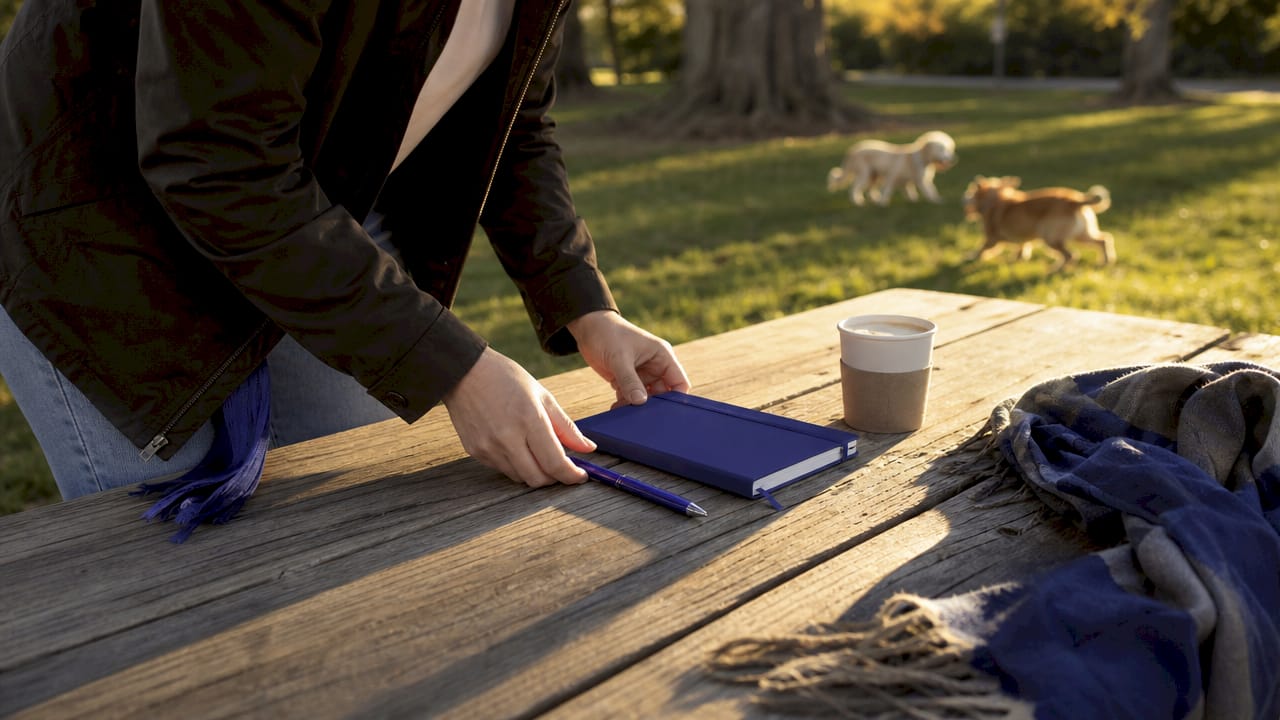
- Branded notebooks and pens. Practical for meetings, training sessions, and note-taking during the first week.
- Coffee gift cards. A small but personal gesture that signals warmth rather than corporate formality.
- Tech accessories. Cable organizers, laptop stickers, or wireless chargers work especially well for tech-forward teams.
- A handwritten welcome note. Not a branded item, but the single highest-return addition to any kit.
Cheap branded swag such as basic pens or drawstring bags can diminish the perceived value of onboarding efforts unless items are genuinely useful and high-quality. One well-chosen item outperforms five forgettable ones. The goal is not volume. The goal is impression.
Pro Tip: Build your kit around items the employee will use in their first week. If it sits in a drawer by day three, it failed its job.
How to choose onboarding swag that fits your culture and budget
Choosing the right employee onboarding gifts starts with two honest questions: What does your company actually value, and what will this specific person use? A law firm’s welcome kit looks different from a creative agency’s. A remote developer’s kit differs from a field sales rep’s. Alignment between the items and the role signals that HR thought carefully, not generically.
Most small businesses allocate $50–$100 per new hire for onboarding gifts, with budget-friendly options starting at $25 when focused on essentials and personal gestures. That range is a practical anchor, not a ceiling. The spend matters less than the perceived thoughtfulness. A $30 kit with a handwritten note and a quality notebook often lands better than a $90 box of generic branded merchandise.
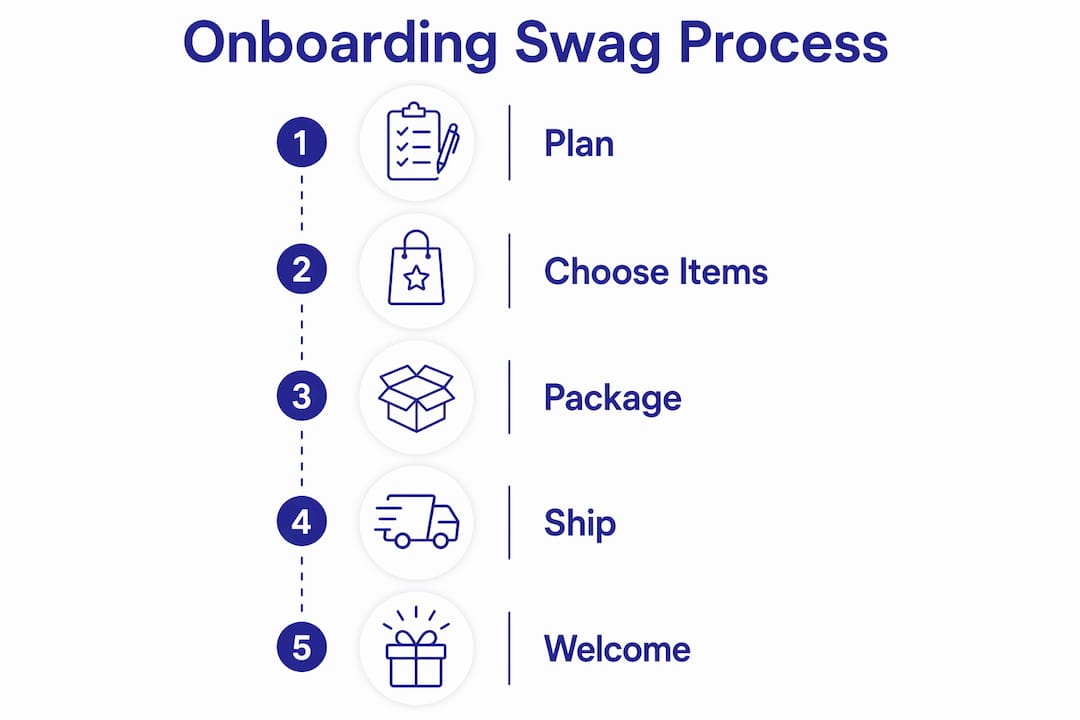
Follow these steps when building your selection process:
- Define your brand identity first. Choose items that reflect your company’s personality. A sustainability-focused company should prioritize recycled or reusable products.
- Segment by role and environment. Remote employees need different items than on-site staff. Tech workers may value accessories more than apparel.
- Set a firm per-person budget. Decide on a number before browsing. Budget creep is the most common mistake in kit planning.
- Prioritize quality over quantity. Three excellent items beat eight mediocre ones every time.
- Add a personal element. A personalized welcome note paired with a quality notebook and a coffee gift card creates more goodwill than elaborate branded boxes.
- Plan for sizing and customization. Apparel requires size collection in advance. Build that step into your pre-boarding checklist.
Avoid the most common pitfalls: late delivery, items that feel cheap, and kits so overloaded that the message gets lost. When in doubt, do less and do it better. Discountswag offers a range of custom onboarding items across multiple price points, making it straightforward to match quality to budget.
Pro Tip: Give new hires a choice between two or three kit options. Autonomy increases perceived value and reduces sizing or preference mismatches.
Why timing and packaging shape the new hire experience
The items inside a welcome kit matter. The moment they arrive matters more. A welcome kit arriving after the start date is no longer a welcome gift. It becomes a belated afterthought that damages the new hire’s initial perception of the company’s organization. That perception is hard to reverse.
The ideal delivery window is before or on the first day. For on-site employees, the kit should be waiting at their desk. For remote employees, it should arrive at their home before their start date, ideally with enough lead time to avoid shipping delays. Timing is the most critical logistical factor for remote and hybrid teams, and delayed swag can undermine new hire confidence before a single meeting takes place.
Packaging carries its own message. Custom boxes and thoughtful layouts represent company culture physically before meetings even start. The unboxing experience functions as an emotional touchpoint, shaping early perceptions of the company’s intentionality. A kit that arrives in a plain brown mailer communicates something very different from one in a branded box with tissue paper and a card.
“Onboarding is more than swag. It is about making new hires feel prepared and connected, with swag serving as a tangible symbol of that commitment. The packaging is the first handshake.”
For remote and hybrid teams, build shipping timelines into your onboarding calendar at least two weeks before each start date. Collect home addresses during the offer stage, not after the hire accepts. That small process change eliminates the most common cause of late delivery. Resources like remote employee swag guides can help HR teams build a repeatable fulfillment process for distributed workforces.
What are the benefits of onboarding swag for retention and engagement?
Onboarding swag delivers returns across three distinct areas: employee engagement, employer brand, and long-term retention. Each operates on a different timeline, but all three start on day one.
Onboarding swag reduces first-day anxiety, integrates brand into everyday routines, and signals company investment. That signal matters because new hires are still deciding whether they made the right choice. A thoughtful kit reinforces that decision positively. It tells them the company was ready for them.
Remote employees especially benefit from physical swag because it provides human connection that digital onboarding alone cannot replicate. A Slack message and a Zoom orientation are functional. A branded kit on the doorstep is personal. That distinction matters for engagement in distributed teams.
| Benefit | How it works |
|---|---|
| Reduces first-day anxiety | Physical items signal preparedness and make the environment feel familiar before formal training begins. |
| Builds brand connection | Branded items used daily keep company identity present in the employee’s routine and home environment. |
| Supports faster integration | A well-designed kit communicates culture, values, and team identity before the first team meeting. |
| Strengthens employer brand | Employees who feel welcomed are more likely to share their experience, improving recruitment reputation. |
| Contributes to retention | Early positive impressions reduce the risk of early attrition, which carries the highest replacement cost. |
The employer brand benefit compounds over time. New hires who receive thoughtful welcome kits are more likely to mention the experience in reviews, referrals, and social posts. That organic reach costs nothing beyond the original kit investment. For HR teams competing in tight labor markets, that visibility is a genuine differentiator.
Key Takeaways
Onboarding swag works because it combines brand visibility, personal welcome, and practical utility into a single physical moment that shapes how new hires perceive their employer from day one.
| Point | Details |
|---|---|
| Definition is clear | Onboarding swag is branded or personalized merchandise given to new hires to signal welcome and company investment. |
| Quality beats quantity | One well-chosen, high-quality item creates more goodwill than a box of generic branded products. |
| Timing is non-negotiable | Kits must arrive before or on the first day; late delivery actively damages new hire perception. |
| Budget has a practical range | Most companies spend $50–$100 per hire, but effective kits can start at $25 with the right focus. |
| Remote teams need physical swag | Physical items replace the human connection that digital-only onboarding cannot provide for remote employees. |
The part most HR teams get wrong about onboarding swag
I have reviewed hundreds of onboarding programs, and the pattern is consistent. Companies spend real money on swag, then undercut the investment with poor timing or generic selection. The kit arrives on day four. Or it shows up in a plain mailer. Or it contains a cheap pen with a logo and a drawstring bag that no one will ever use. The budget was there. The intention was there. The execution failed.
The most effective onboarding kits I have seen share one trait: they feel personal. Not expensive. Personal. A handwritten note from the hiring manager. A notebook in the employee’s favorite color because someone asked during pre-boarding. A local coffee shop gift card instead of a generic national chain. These details cost almost nothing extra and return disproportionate goodwill.
My honest advice is to treat the welcome kit as a first conversation, not a marketing exercise. Swag that exists to put a logo in front of someone is marketing. Swag that exists to make someone feel genuinely welcomed is culture. The difference shows immediately, and new hires can tell which one they received. Build a process, not just a product list. Nail the timing. Personalize where you can. And resist the urge to fill the box just because the budget allows it.
— Jerry
How Discountswag helps HR teams build better welcome kits
HR teams that want to move from ad hoc gifting to a repeatable, high-quality process need a supplier that understands both brand standards and budget reality. Discountswag specializes in corporate promotional products designed for exactly that use case.
Discountswag offers customizable onboarding merchandise across a wide range of categories, from branded apparel and drinkware to tech accessories and gift sets, all available at price points that work for small teams and enterprise hiring programs alike. The catalog covers both in-office and remote delivery needs, with options built for promotional items for remote employees and distributed teams. Whether you are building your first welcome kit or standardizing a program across multiple locations, Discountswag provides the product range and customization support to get it right. Visit Discountswag to browse onboarding kit options built for HR teams.
FAQ
What is onboarding swag exactly?
Onboarding swag is a collection of branded or personalized items given to new employees at the start of their employment to make them feel welcomed and connected to the company. It typically includes practical items like notebooks, drinkware, and apparel alongside personal touches such as a handwritten note.
How much should a company spend on onboarding swag?
Most companies spend between $50 and $100 per new hire on onboarding gifts, though effective kits can be assembled for as little as $25 by focusing on quality essentials and a personal gesture rather than volume.
When should onboarding swag be delivered?
Swag should arrive before or on the employee’s first day. A kit that arrives after the start date loses its welcome effect and can signal disorganization, which negatively shapes the new hire’s early perception of the company.
Does onboarding swag matter for remote employees?
Remote employees benefit from physical swag more than on-site employees in some respects, because it provides a tangible human connection that digital onboarding tools cannot replicate. Shipping timelines should be built into the pre-boarding process at least two weeks before each start date.
What items make the best onboarding gifts?
The best employee onboarding gifts combine daily practicality with brand identity. Premium drinkware, quality notebooks, branded apparel, tech accessories, and a personalized welcome note consistently outperform generic promotional items in perceived value and daily use.
 Bottle Carriers
 Mugs
Mugs