
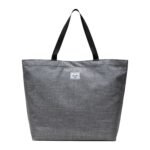

What Is a Conference Swag Bag? A 2026 Planner’s Guide


A conference swag bag is a curated collection of branded items given to attendees at events to increase brand awareness, drive booth traffic, and leave a lasting impression. The term “swag” stands for “stuff we all get,” making it one of the few marketing acronyms that actually describes the experience. Conference gift bags appear at trade shows, corporate summits, product launches, and even virtual meetups. When planned well, they are one of the highest-return touchpoints in any event marketer’s toolkit.
What is a conference swag bag, and why does it matter?
A conference swag bag is more than a goodie bag. A goodie bag is a random collection of freebies. A swag bag is a deliberate, branded package designed to communicate who you are and what you stand for. The distinction matters because attendees notice the difference immediately.
The meaning of swag bag in a marketing context centers on brand recall. Every item inside the bag is a physical reminder of your brand long after the event ends. Practical items attendees use daily keep your logo visible for weeks or months. That kind of sustained exposure is difficult to buy through digital advertising alone.

Conference promotional items also serve a social function. Attendees talk about what they received. A well-chosen item sparks conversations at the event and on social media afterward. That organic word-of-mouth extends your brand reach beyond the room without additional spend.
The importance of swag bags is clearest when you compare events that use them against those that do not. Events with thoughtful gift bags consistently report higher booth traffic, stronger attendee satisfaction scores, and more post-event lead follow-through. The bag signals that you invested in the attendee experience.
What items are typically in a swag bag?
A typical swag bag contains 4–8 useful, high-value items. Quantity is not the goal. Usefulness is. An attendee who keeps three items from your bag delivers more brand value than one who discards eight.
The most common contents of a swag bag include:
- Branded tote bag — the bag itself is an item, and attendees carry it throughout the event and beyond
- Reusable water bottle or insulated drinkware — high retention, used daily, and visible in public
- Quality notebook and pen — practical at the event and at the office afterward
- USB drive or tech accessory — portable chargers and cable organizers rank among the most-kept items
- Stickers or branded patches — low cost, high personalization appeal, especially for younger audiences
- Snacks — consumed at the event, but they create an immediate positive association
Branded apparel and tech accessories are preferred for their utility and ability to carry brand messaging without appearing cheap or wasteful. Items made with recycled or sustainable materials add another layer of value by signaling corporate responsibility.
Pro Tip: Avoid including items that attendees cannot easily carry home. A heavy ceramic mug sounds premium but becomes a burden at a multi-day conference. Choose items that fit comfortably inside the bag itself.
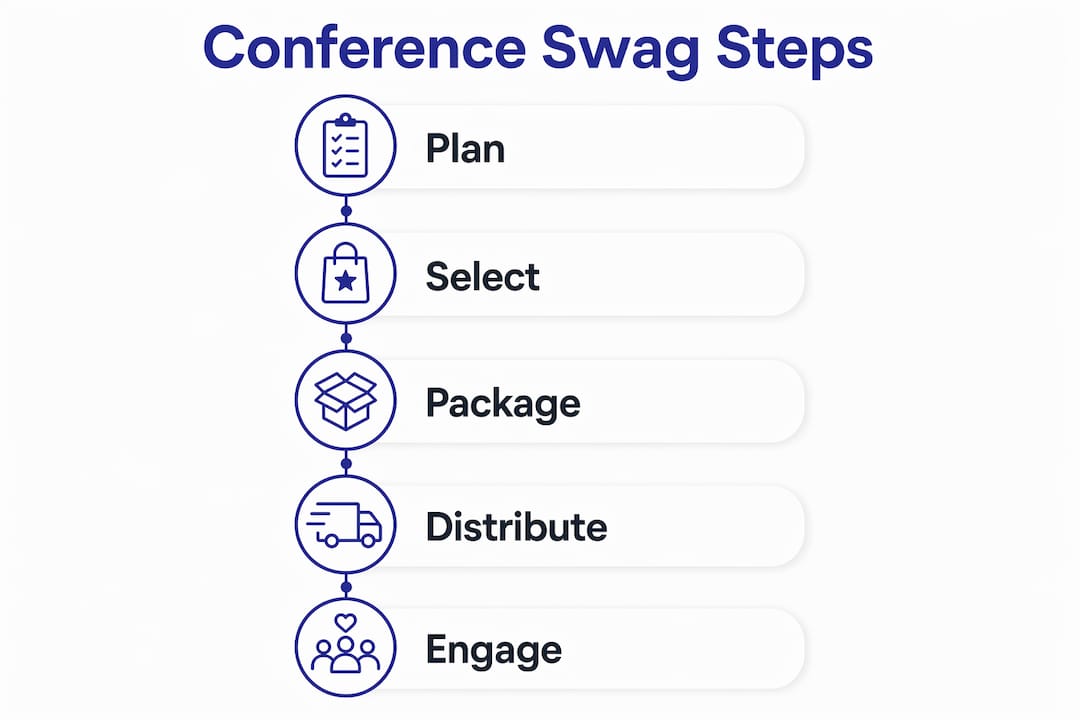
The packaging matters as much as the contents. A small, well-designed tote or branded pouch promotes repeated brand exposure every time the attendee reuses it. The bag is not just a container. It is the first impression.
How to select the right items for your conference audience
Selecting the right conference swag ideas starts with knowing your attendees. A bag designed for software developers should look and feel different from one designed for healthcare executives. The items, the quality level, and even the color palette should reflect the audience’s professional identity.
Follow this process to build a swag bag that resonates:
- Define your attendee profile. Age range, industry, seniority level, and travel habits all influence what people will keep. Remote workers value home-office items. Frequent travelers value compact, TSA-friendly accessories.
- Choose a hero item. The hero item concept anchors the entire package. Select one high-value, desirable product as the centerpiece, then build 2–3 smaller items around it that share a theme. This makes the bag feel intentional rather than random.
- Set a per-unit budget before selecting items. Budget pressure leads to filler items. Knowing your ceiling upfront forces you to prioritize quality over quantity from the start.
- Confirm lead times early. Artwork approval, production, and shipping for custom items can take 3–6 weeks. Missing this window is the most common and most avoidable swag bag mistake.
- Test the full bag before ordering at scale. Assemble a physical prototype. Check the weight, the fit, and whether the branding reads clearly on every item. What looks good in a product photo may look cluttered in person.
Pro Tip: When you choose corporate swag that aligns with your event theme, the bag tells a story. A sustainability conference bag filled with recycled-material items, seed paper notepads, and bamboo pens communicates values without a single word of copy.
Selecting items that align with audience and event objectives separates forgettable bags from ones that generate post-event social posts. The goal is for attendees to photograph the contents and share them. That only happens when the items feel worth showing off.
How do conference swag bags enhance engagement and brand visibility?
Swag bags create brand touchpoints that extend well beyond the event itself. An attendee who uses a branded water bottle at the gym three times a week generates brand impressions for months. That compounding exposure is the core ROI argument for conference promotional items.
The table below shows how different swag bag item types deliver value across the attendee experience:
| Item type | Primary benefit | Exposure duration |
|---|---|---|
| Branded tote bag | Repeated public visibility | Months to years |
| Reusable water bottle | Daily use, high retention | Months to years |
| Tech accessory (charger, cable) | High perceived value, frequent use | Months |
| Notebook and pen | Used at the event and after | Weeks to months |
| Snacks | Immediate positive association | Hours |
| Stickers or patches | Personalization, social sharing | Variable |
Swag bags drive booth traffic and facilitate conversations, improving lead generation and marketing ROI. Attendees who receive a bag at check-in are more likely to visit the sponsor’s booth to learn more. The bag creates a reason to engage.
Integrating your swag strategy with your broader branded swag campaign multiplies the effect. When the bag’s visual identity matches your booth design, your email follow-up, and your social media content, attendees experience a consistent brand story. Consistency builds trust faster than any single touchpoint can.
Measuring the ROI of swag bags requires tracking more than impressions. Count booth visits, lead scans, and post-event social mentions that reference your swag. These metrics give you a clearer picture of what the bag actually delivered.
Practical tips for planning and distributing swag bags
Planning conference gift bags without a clear process leads to waste, budget overruns, and last-minute substitutions. The following practices prevent the most common problems.
- Order 10–15% more units than your expected attendance. Walk-ins happen. Running out of bags at the door damages attendee experience and brand perception equally.
- Keep branding consistent across every item. Use the same logo version, color values, and font treatment on every product. Inconsistent branding across items makes the bag look assembled from leftover stock.
- Distribute at check-in, not departure. Bags given at arrival drive booth traffic throughout the event. Bags given at departure are often left behind or forgotten.
- Avoid items that are hard to transport or fragile. Breakage and bulk create friction. If an attendee has to check a bag because of your swag, they will remember the inconvenience.
- Prioritize eco-friendly promotional products made with recycled or sustainable materials. These items differentiate your bag and align with corporate social responsibility goals that many attendees now expect.
Budget optimization for swag bags means spending more on fewer, better items rather than filling space with cheap filler. Efficient budget allocation for conference giveaways consistently shows that a bag with three quality items outperforms a bag with eight forgettable ones. Attendees remember what they kept, not what they received.
Key Takeaways
A conference swag bag delivers lasting brand value only when it contains useful, high-quality items chosen specifically for the attendee audience and distributed with a clear strategy.
| Point | Details |
|---|---|
| Definition and purpose | A swag bag is a curated set of branded items designed to boost brand awareness and attendee engagement. |
| Optimal item count | Include 4–8 useful items; quality and utility outperform quantity every time. |
| Hero item strategy | Anchor the bag with one high-value item, then add 2–3 smaller items that share a theme. |
| Distribution timing | Give bags at check-in to drive booth traffic throughout the event, not at departure. |
| Sustainability advantage | Eco-friendly materials improve brand perception and meet growing attendee expectations. |
What I’ve learned after years of watching swag bags succeed and fail
The most expensive bag I ever saw at a conference was also the most forgettable. It was stuffed with branded items that had no connection to each other or to the event’s theme. Attendees opened it, pulled out the water bottle, and left the rest on the table.
The best bag I ever saw cost a fraction of that. It had a hero item, a compact wireless charger, supported by a slim notebook and a single high-quality pen. Every item shared a “work anywhere” theme that matched the event’s positioning perfectly. Attendees photographed it. They posted it. The brand got more social coverage from that bag than from its paid media spend at the event.
The lesson I keep coming back to is this: attendees are not impressed by volume. They are impressed by thoughtfulness. A bag that clearly reflects who they are and what they care about tells them the brand paid attention. That feeling is what drives the post-event behavior marketers actually want.
The trend I watch most closely in 2026 is the shift toward sustainability. Attendees increasingly notice when items are made from recycled materials, and they notice when they are not. Choosing branded merchandise for events with a sustainability lens is no longer a differentiator. It is becoming the baseline expectation.
My honest recommendation: spend 80% of your swag budget on the hero item and the bag itself. Fill the remaining space with one or two items that reinforce the theme. Then stop. Resist the urge to add more.
— Jerry
How Discountswag helps you build swag bags that work
Discountswag specializes in sourcing customizable promotional products for conferences, trade shows, and corporate events. The catalog covers everything from branded drinkware and tech accessories to eco-friendly totes and premium notebooks, all available with custom artwork and bulk pricing.
Event planners and marketers working with Discountswag get access to product guidance that goes beyond a simple order form. The team helps you identify the right hero item for your audience, coordinates artwork approvals, and manages delivery timelines so your bags arrive ready to distribute. For a full overview of what works in 2026, the promotional items brand awareness guide is a strong starting point. You can also browse the full range of branded promotional products to find items that fit your event’s theme and budget.
FAQ
What does “swag bag” mean at a conference?
A swag bag is a curated collection of branded items given to conference attendees. The word “swag” stands for “stuff we all get,” and the bag serves as a tangible brand touchpoint designed to improve recall and engagement.
How many items should a conference swag bag contain?
A well-planned swag bag contains 4–8 items. Fewer, higher-quality items consistently outperform larger bags filled with low-value filler in terms of attendee retention and brand recall.
What are the best items to include in a conference swag bag?
Branded apparel, reusable water bottles, portable chargers, quality notebooks, and tech accessories rank among the highest-retention items. These products are used regularly, keeping your brand visible long after the event ends.
When should swag bags be distributed at a conference?
Distribute bags at check-in rather than at departure. Attendees who receive bags at the start of the event are more likely to visit sponsor booths and engage with exhibitors throughout the day.
How do eco-friendly swag items affect brand perception?
Eco-friendly promotional products made with recycled or sustainable materials positively influence brand perception and align with corporate social responsibility expectations that attendees increasingly hold in 2026.
 Bottle Carriers
 Mugs
Mugs